


Financial stress has become a constant companion for many people, especially after the economic shifts that followed COVID. Many households continue to feel the pressure, and countless reports point out that a large number of adults still struggle to save money in today’s economy. It’s no surprise that this situation has pushed more people to explore side businesses and other income sources in hopes of building a more secure future. If you’re feeling the same way, know that you’re not alone and you’re definitely not behind.
Like you, I’ve felt the weight of those financial uncertainties too. Back in 2021, I remember sitting in my small apartment in San Francisco after a long day at the hospital, wondering how I could build something more stable for myself long-term. That moment pushed me to explore side ventures, learn new skills, and eventually build a small business that still runs today. Those decisions taught me what works and what doesn’t, and they shaped the perspective I’m sharing with you now.
In this guide, you’ll walk through the core principles that help small and online businesses stay steady, profitable, and sustainable. Let’s get started.
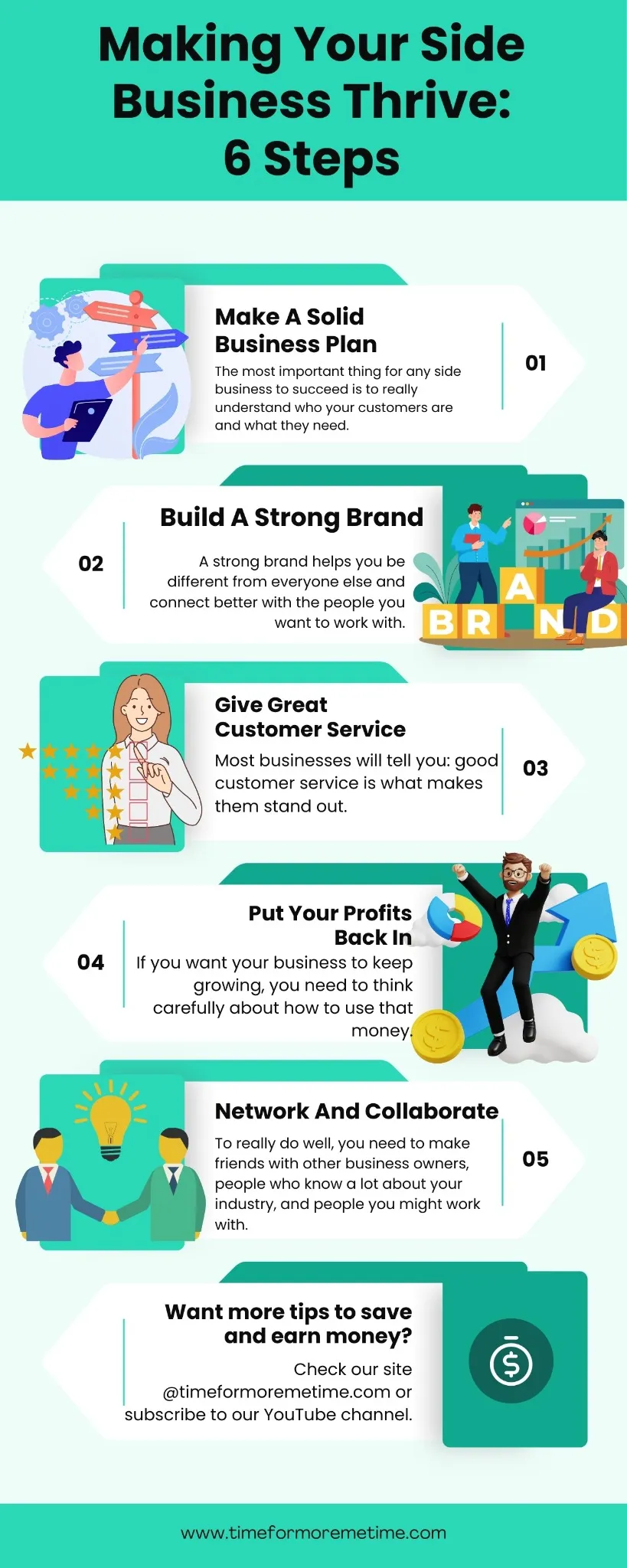
1. Create A Solid Business Plan
A solid business plan is important for the steady growth of any side business. It shows what you want to accomplish and who you want to assist. Understanding your customers helps you create things they really need. In my own projects, this approach has given me clear direction.
Knowing your customers is vital for small businesses to last. When I first realized this, I saw how important it is to plan ahead. It’s normal to feel unsure about writing a business plan, especially when starting something new, but taking it one step at a time is essential.
Start by writing down your goals, who you want to serve, and how you will reach them. Treating your idea like a real business will boost your confidence and keep you organized as you move forward.

2. Build A Strong Brand
A strong brand helps your side business stand out and connect with your target audience. A brand represents who you are and what you value. When people understand what you offer and why it matters, they are more likely to choose you.
Businesses with clear branding are easier to trust and remember. I realized this when I noticed customers often prefer companies they recognize over those they don’t. Thankfully, building a brand is easier when you break it into simple steps.
Begin by defining what your brand stands for, what makes you different, and how you want people to feel when they interact with you. Use this message across your website, social media, customer conversations, and product packaging. Staying consistent helps people trust you and makes your business easier to recognize as you grow.
3. Give Great Customer Service

Excellent customer service is one of the best ways to make your side business stand out. It helps people feel valued and supported right from their first interaction. When customers feel respected, they are more likely to return and recommend your business to others.
Many small businesses find that customer loyalty comes from how they treat people, not just from price or product features. This highlights the power of good service in a world full of options.
You may worry about being perfect, but most customers don’t expect that. They mainly want to feel heard and cared for. This small effort can make a big difference.
So, go the extra mile when you can, answer questions kindly, and follow up when necessary. When people see that you care, they are more likely to trust you, remember you, and remain loyal as your business grows.
4. Reinvest Your Profits
Reinvesting your profits can help your side business grow. When you start making money, it’s tempting to spend it on something fun for yourself. I’ve felt that temptation too, and while it’s enjoyable, treating your profits wisely is more beneficial in the long run.
Successful small businesses often grow because they reinvest money into areas that improve their operations. For instance, I realized that using part of my earnings for advertising brought in more customers and better results. Thinking about your profits this way might seem unusual at first, but it pays off.
The main point in reinvesting in your business is to plan how to use your profits to strengthen your business. Whether it’s buying tools, hiring help, or running ads, using your earnings wisely will help you grow faster and increase your earnings over time.
5. Network And Collaborate

No business can succeed on its own. Building connections with other business owners, industry experts, and potential partners can open unexpected doors. Your customers are part of this network too, and keeping them close is important.
You can grow faster by reaching out and working with others. From my experience, even one conversation with the right person can lead to new ideas, partnerships, or customers. It’s normal to feel awkward about networking, but the benefits usually outweigh the fear.
Have you ever shared an idea and found a better way to approach it? Collaborating can strengthen your brand, expand your reach, and inspire new strategies. When you actively network and team up, your business can become bigger, smarter, and stronger than it could on its own.
6. Scale Your Operations
When your side business starts making money, it’s natural to think about growing it bigger. Scaling can mean hiring help, delegating tasks, or selling your products and services in new places.
I learned this firsthand with my website—doing everything myself became impossible, so I brought in a web developer to handle the technical side and someone to help with editing and sharing posts on social media.
Bringing in help allows you to focus on what matters most. From my experience, hiring the right people not only saves time but also improves the quality of your work and reaches more customers.
Think about the last time you tried to do too much at once—did it feel overwhelming? Growing your business is like walking a tightrope: you need balance. Take small, steady steps, spend carefully, and grow at a pace you can manage. That way, your business can expand safely and succeed for the long term.
7. Focus On Continuous Improvement
Through years of running side businesses, I learned that growth doesn’t only come from profits, hiring, or networking—it comes from continuously improving how you operate.
I developed the habit of focusing on continuous improvement, where I review weekly what’s working, what’s not, and what small changes could make a big impact. This practice has helped me identify opportunities I might miss otherwise and allows my projects to advance without overwhelming me.
In my experience, businesses that seek regular, small improvements adapt faster and stay competitive over the long term. I’ve found that adjusting processes, testing new ideas, and learning from feedback often yields better results than just adding resources or tasks.
Treat every week as an opportunity to make your business better. By focusing on steady improvements, experimenting thoughtfully, and learning from your results, you can create a side business that grows stronger over time, attracts loyal customers, and becomes more rewarding than most side ventures.
Conclusion
Years after COVID, many people are struggling financially due to the tough economy. I know this firsthand, as my family faced challenges even though I worked in the medical field during the pandemic. Starting a side business can be tough if you don’t know the basics. Hopefully, the tips I’ve shared will help you build a successful and stable business.
So, embrace the challenges, learn from your experiences, and never stop trying to improve. To learn more ways to earn extra income, read our articles or follow my YouTube channel!
Sources
- Photo: Unsplash: Microsoft 365