


Raising many kids brings joy, but it also makes managing money feel overwhelming. You need to stretch your income without sacrificing your children’s needs, but is it possible to cut costs, stay organized, and make your budget work for you? Well, keep reading to know how to control expenses while still giving your family what matters most—security, comfort, and happy memories. Let’s get started!
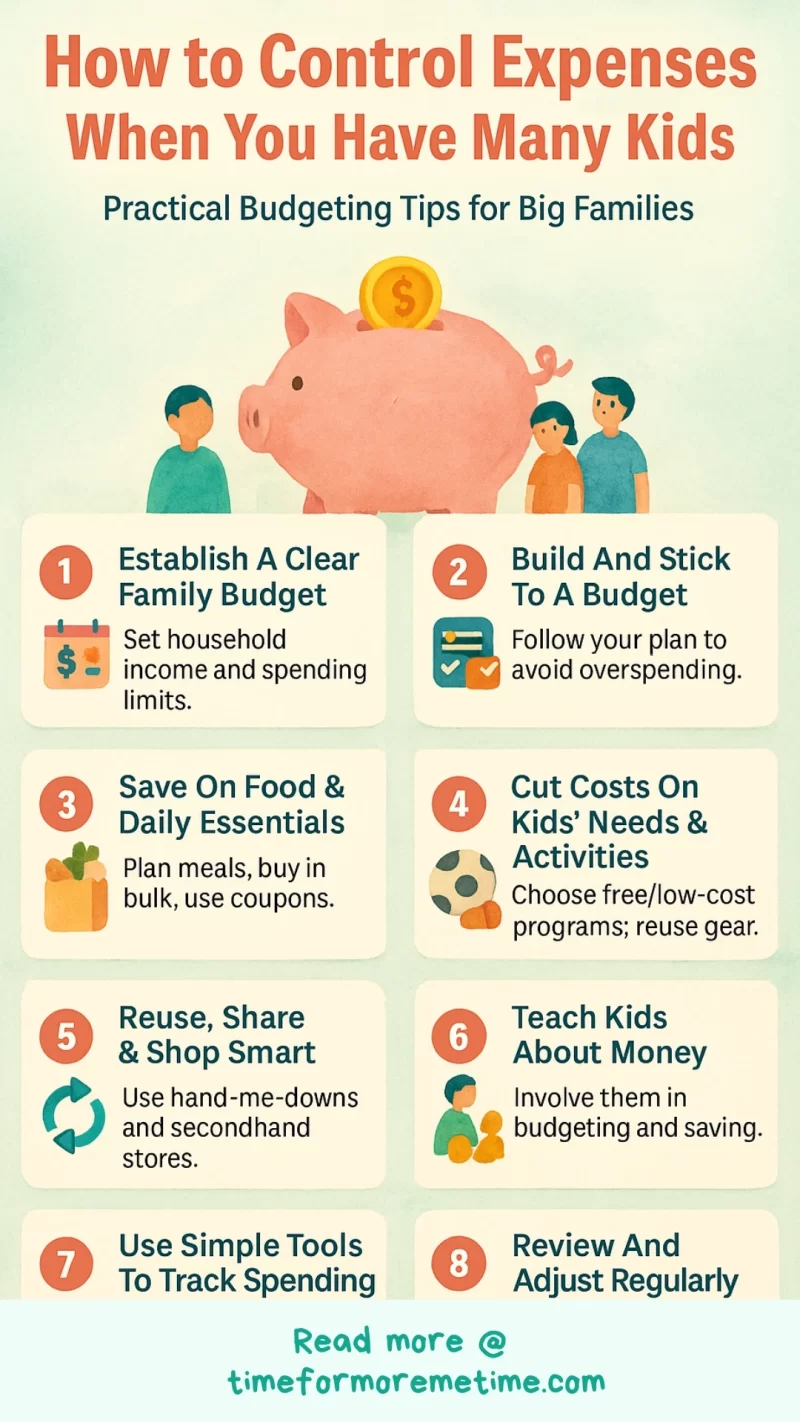
1. Know Your Family Expenses
Managing a large household starts with understanding where your money goes. List the major expenses, such as housing, groceries, transportation, childcare, and healthcare. Then, track smaller costs such as snacks, school supplies, and subscriptions, which often add up quickly.
When you see the whole picture, it becomes easier to spot where overspending happens. This awareness enables you to identify both fixed costs that must be covered and flexible areas where you can make savings.
Knowing your expense landscape is the foundation to control expenses of your family. As a result, you can make more informed choices each month and avoid surprises that could overwhelm your budget.
2. Build And Stick To A Budget
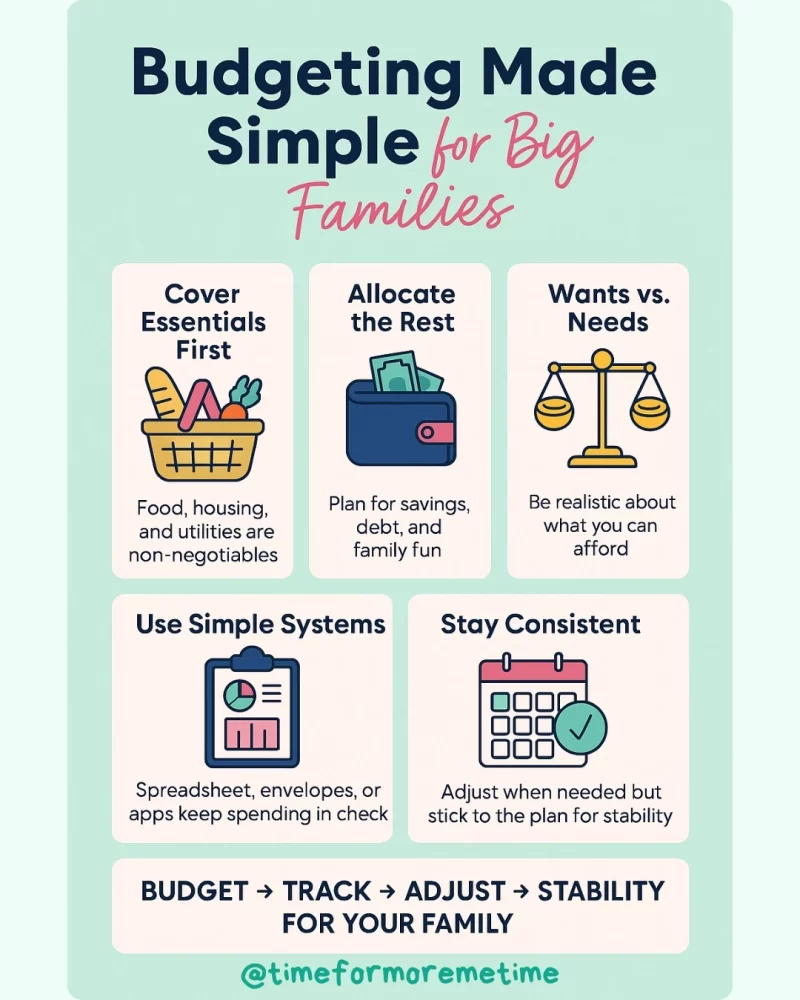
Once you know your expenses, the next step is building a budget that matches your family’s needs. Start by setting aside money for essentials, such as food, housing, and utilities. Then, allocate the remaining funds for savings, debt payments, and family activities.
It’s essential to distinguish between wants and needs and be realistic about what you can afford. A simple system—whether it’s a spreadsheet, envelope method, or budgeting app—keeps spending in check.
The real key is consistency. Sticking to the budget, even with adjustments, gives your family stability and keeps expenses under control in the long run.
3. Save On Food And Daily Essentials
Food is one of the biggest expenses for families with many children, but smart strategies can help reduce it. Here are some of the common ones:
- Meal planning reduces the need for last-minute takeout
- Buying in bulk saves on staples like rice, pasta, and snacks
- Choosing store brands over name brands also makes a difference without sacrificing quality
- Cooking at home
- Using leftovers creatively
Implementing these money-saving hacks helps keep both time and money in check. For other essentials, such as toiletries and cleaning products, consider using coupons, loyalty programs, and sales to stretch your budget further.
With a bit of planning, even a large grocery bill becomes manageable without sacrificing nutrition or comfort.
4. Cut Costs On Kids’ Needs And Activities
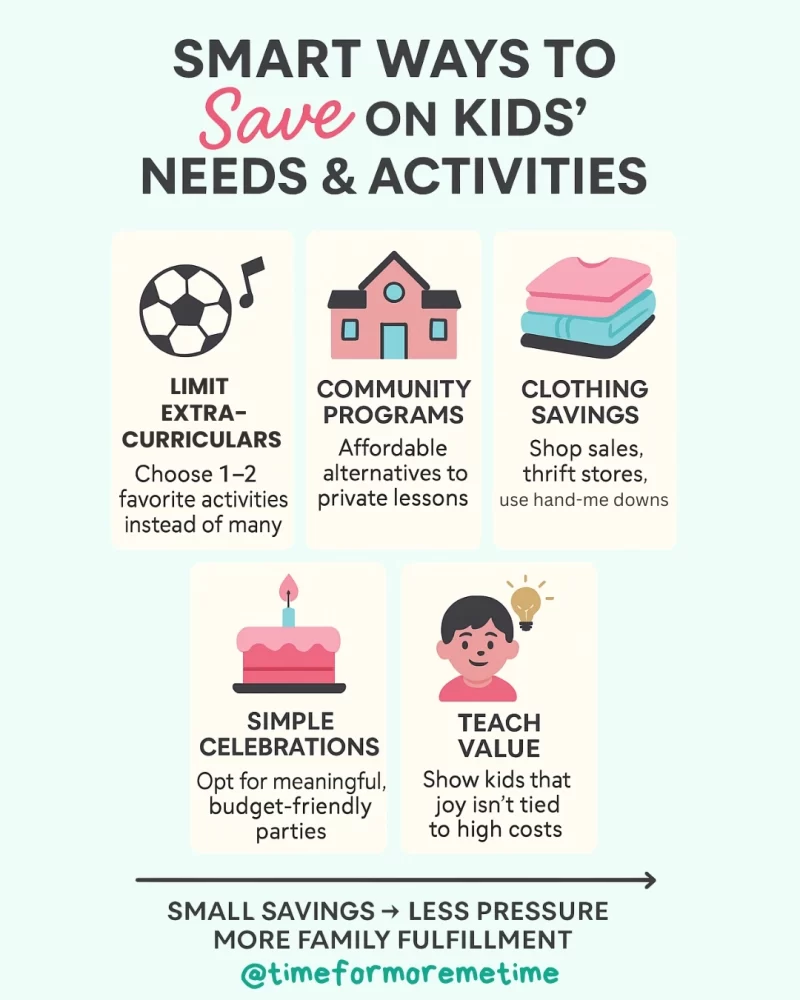
Raising children comes with endless expenses—from clothes to sports to school projects. To control expenses, focus on what truly benefits your kids rather than saying yes to every activity or purchase.
For instance, you can limit extracurriculars to one or two favorites. Or consider community programs that are less expensive than private lessons.
As to clothing, you can manage these costs through seasonal sales, thrift stores, or hand-me-downs between siblings. For birthdays or holidays, opt for simple celebrations instead of lavish parties.
Small shifts like these teach children that fun and fulfillment don’t always come with a high price tag, easing financial pressure on the whole family.
5. Reuse, Share, And Shop Smart
When raising many kids, it’s essential to get the most value out of every purchase. Hand-me-downs are one of the easiest ways to save, especially for clothes, toys, and school supplies. Thrift stores and online marketplaces also offer quality items at a fraction of retail prices.
For larger needs, such as strollers or sports gear, swapping with friends or neighbors whose children have outgrown them can be a big help. Timing purchases during seasonal sales and utilizing discount codes can add even more savings.
With these habits, families can meet needs without overspending. Doing so makes shopping both practical and budget-friendly.
6. Teach Kids About Money

Teaching children about money makes it easier to control expenses while helping them build skills they’ll carry into adulthood.
Start small by letting younger kids compare prices at the store or help plan meals with a budget in mind. As they grow, give them a modest allowance and guide them in setting saving and spending goals.
When children see how their choices affect the family budget, they become more thoughtful about making requests and making purchases. This teamwork lightens the load on parents while helping kids form healthy financial habits. That’s why involving them directly turns money management into a shared family effort.
7. Use Simple Tools To Track Spending
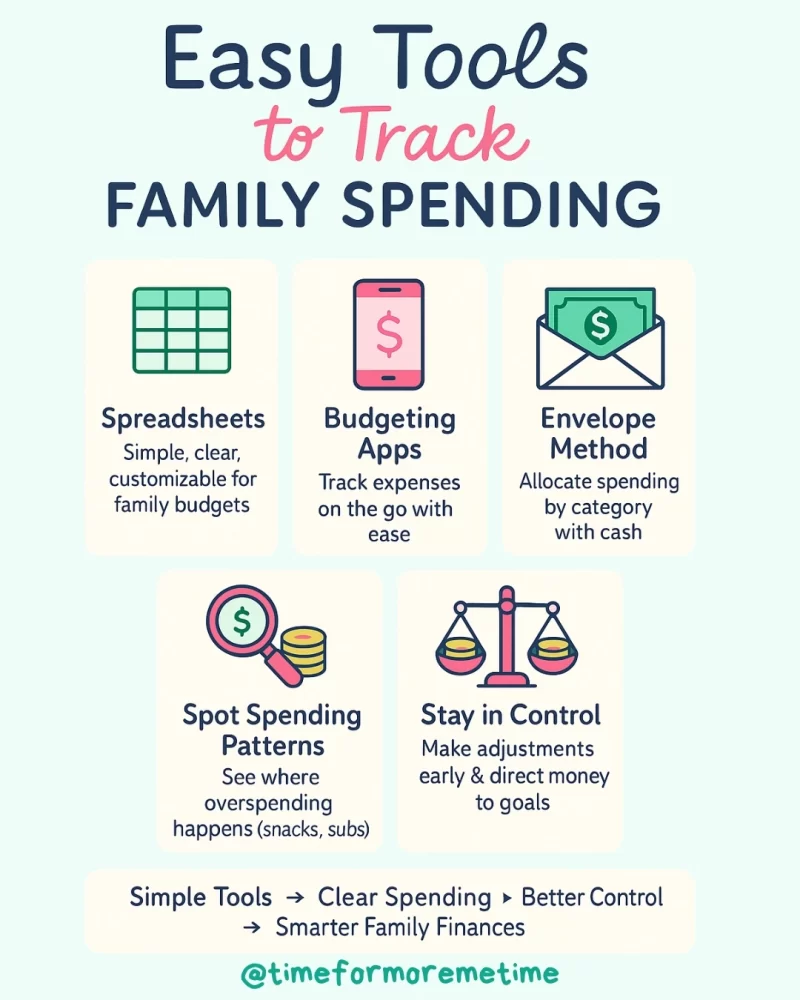
Tracking expenses is crucial to maintaining control over family finances. Spreadsheets, budgeting apps, or the envelope method provide clear ways to see where money goes.
The goal isn’t complexity—it’s finding a system that’s easy to use and consistent.
Once tracking becomes a habit, it becomes easier to spot patterns, such as overspending on snacks or subscriptions. Having this clarity means adjustments can be made before small leaks turn into larger problems. With reliable tracking in place, families gain a better sense of control and can direct money toward the goals that matter most.
8. Review And Adjust Regularly
Even the most careful budget can’t predict every expense, which is why reviews are so critical. At the end of each month, look back at where money was spent, what worked well, and where improvements are needed. These check-ins keep the plan realistic and adaptable.
Unexpected costs—whether a school fee, medical bill, or family event—are easier to handle when adjustments are made elsewhere. Treating the budget as flexible rather than rigid ensures it supports the family, rather than adding stress. Over time, these regular reviews create a smoother financial system that grows stronger with each adjustment.
Conclusion
Finding ways to control expenses when you have many kids is less about strict rules and more about building smart habits that simplify family life. These may be small steps, but they can help you create significant changes for your household’s financial health.
Want more practical tips and honest reviews of financial tools to help you manage your family budget? Subscribe to our blog, follow us on social media, and visit our YouTube channel for simple strategies that make saving money easier and family life less stressful.
Source
- Photo: Pexels: Kindel Media