

Keeping up with bills, groceries, and everything in between can feel overwhelming when you’re managing a household. Tracking family expenses might sound like another chore, but it’s one of the most powerful ways to stay in control of your money. In this post, you’ll learn practical, beginner-friendly strategies to track your spending without stress or spreadsheets. Let’s get started!
1. Choose A Tracking Method
There’s no one-size-fits-all approach to tracking expenses. The key is finding a method that matches your comfort level, whether that’s paper, digital, or something in between. Here are a few ways to get started:
- Use a Notebook or Planner: Simple and effective for those who prefer writing things down. Jot down each purchase daily or weekly.
- Try Budgeting Apps: There are many free and paid budgeting apps out there in your phone’s app store that can let you automatically categorize and track your spending.
- Create a Spreadsheet: A basic Excel or Google Sheet lets you customize categories and totals if you’re comfortable with digital tools.
Pick one method and stick with it for a month. The consistency matters more than the platform.
2. Track Every Expense For One Month
You can’t manage what you don’t measure. For one full month, record every dollar that leaves your household, no matter how small. This gives you clarity and control over your financial habits.
To begin, try these steps:
- Log Daily Purchases: Write down or input each transaction the same day so nothing slips through the cracks.
- Include Bills and Subscriptions: Don’t forget auto-payments like streaming services, phone plans, or insurance.
- Review Weekly: Set aside 10–15 minutes each week to tally totals. This helps you spot trends or problem areas early.
One month of data gives you a clear picture of your spending habits and highlights where your money actually goes.
3. Categorize Your Spending
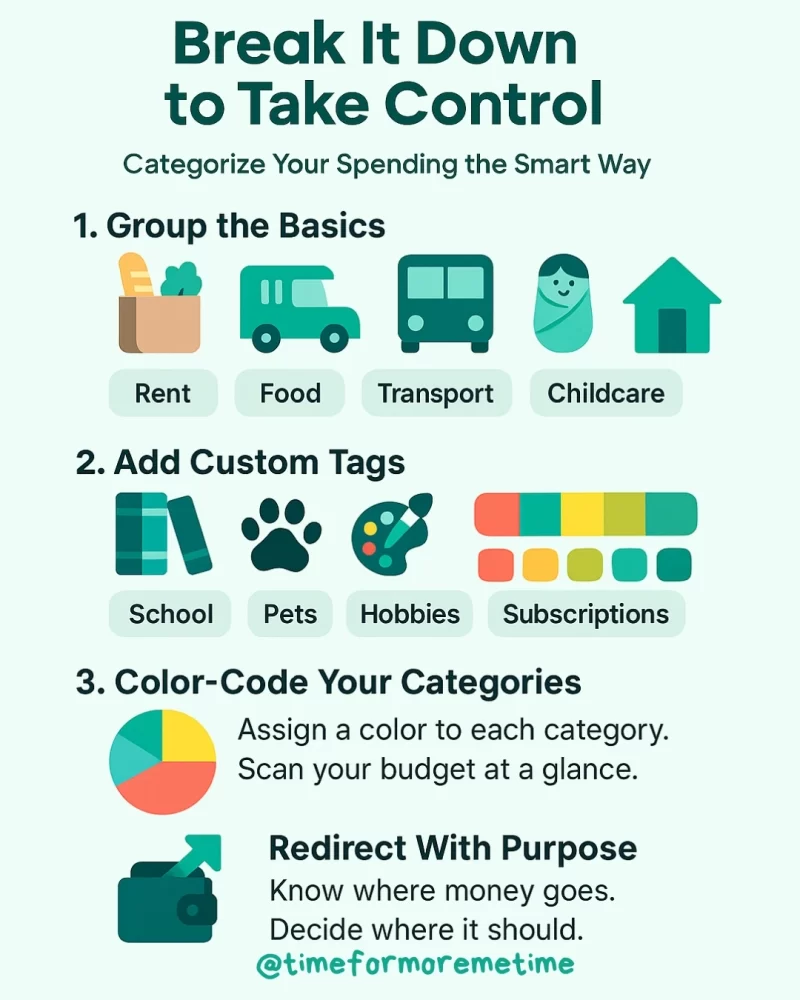
Once you’ve gathered your expense data, take time to group your purchases into clear categories. This step reveals your spending patterns and helps you set more intentional limits.
Use these suggestions to organize your data:
- Start With Broad Categories: Essentials like rent, groceries, transportation, childcare, and savings.
- Customize as Needed: Add specific labels like school expenses or pet care if they apply to your family.
- Color-Code or Tag Categories: Make them visually easy to scan and compare.
The goal is not judgment—it’s clarity.
When you know where the money goes, you can start redirecting it with a purpose.
4. Set Monthly Spending Limits
Categories alone aren’t enough—now it’s time to set limits. This is where tracking becomes a proactive budgeting plan.
Consider these ideas as you define your budget:
- Base Limits on Your Actual Data: Use your previous month’s spending as a guide—then tweak where needed.
- Prioritize Needs Over Wants: Make sure essentials are fully covered before setting entertainment or extra categories.
- Leave Room for Flexibility: Unexpected costs happen. Build a buffer or include a miscellaneous category to stay balanced.
These limits create structure and help you avoid overspending without feeling deprived.
5. Involve The Whole Family
Budgeting works best when everyone participates. Get the whole household involved in tracking and decision-making.
Try the following to make it a team effort:
- Hold a Monthly Money Check-In: Sit down together to review what was spent and what could be improved.
- Assign Roles: One person might handle the bills, while another tracks grocery spending.
- Teach Kids Basic Budgeting: Use chore money or allowances to show how spending and saving work in real life.
Making it a family habit increases accountability and turns money management into a shared effort.
6. Use Visual Aids To Stay Motivated
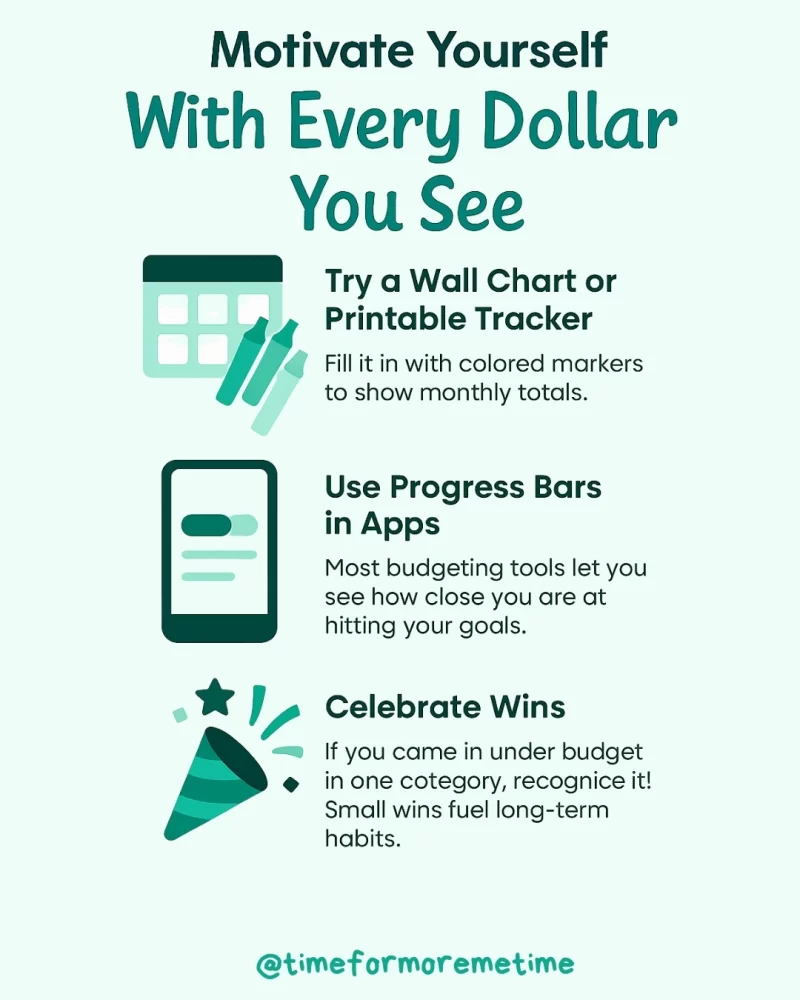
Seeing your progress keeps you engaged. Visual tools turn abstract numbers into something real and motivating.
Use these visual methods to stay encouraged:
- Try a Wall Chart or Printable Tracker: Fill it in with colored markers to show monthly totals.
- Use Progress Bars in Apps: Most budgeting tools let you see how close you are to hitting your goals.
- Celebrate Wins: If you came in under budget in one category, recognize it! Small wins fuel long-term habits.
These visuals make your efforts more concrete and help turn tracking into a rewarding experience.
Conclusion
Tracking family expenses might take a little effort at first, but it’s one of the smartest habits you can build. It creates awareness, empowers better choices, and leads to long-term financial confidence.
To get more helpful money tips, subscribe to our blog, follow us on social media, and check out our YouTube channel for smart and practical videos.
Sources
- Photos: Unsplash: Money Knack