

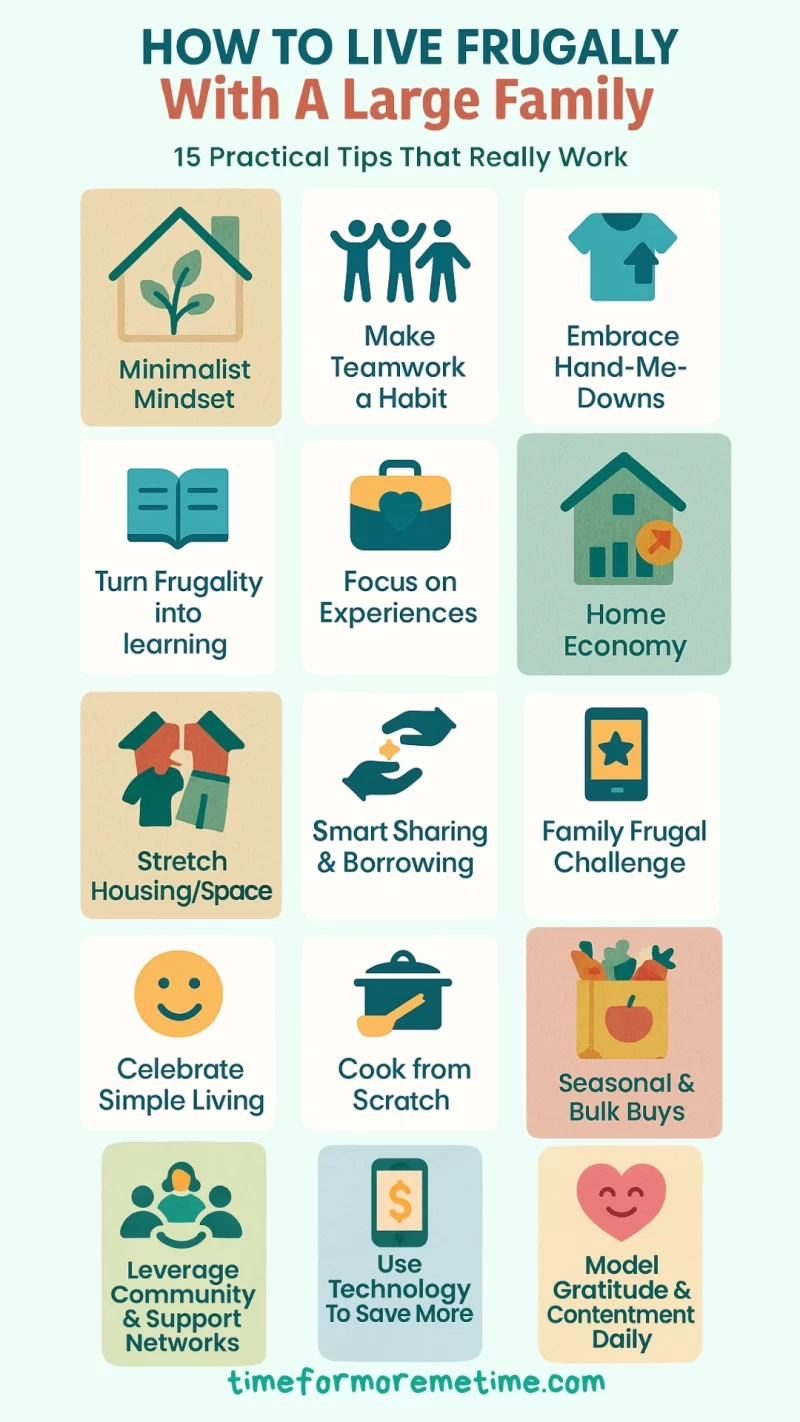
Having a big family means every decision—whether it’s meals, clothes, or daily routines—carries a bigger price tag. Some people think cutting back means losing comfort, but finding ways to live frugally with a large family can simplify life and create space for what truly matters. So, how can families strike a balance between size and simplicity while still thriving? Let’s get started!
1. Adopt A Minimalist Family Mindset
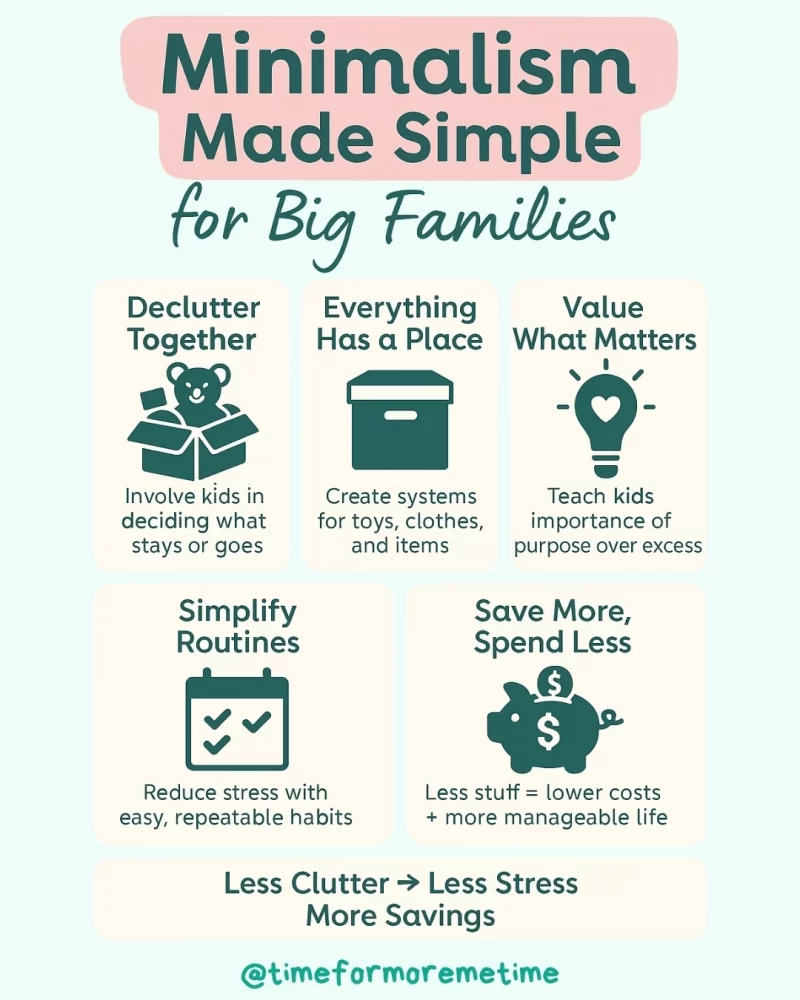
When raising a large family, having too much stuff can create stress and lead to unnecessary spending. Minimalism provides a way to simplify not just possessions but also routines.
Start by creating systems where everything has a purpose and a place—whether it’s toys, clothes, or household items. Involve kids in decluttering so they learn to value what truly matters.
This mindset makes it easier to live frugally with a large family while keeping daily life more manageable.
2. Make Teamwork A Family Habit
Frugal living works best when each person plays an active role. Assign age-appropriate roles, such as kids helping with meal preparation, laundry, or simple cleaning tasks.
Older children can support younger siblings, saving both time and money on outside help. Working together also builds a sense of unity around shared goals.
When responsibilities are divided, it becomes easier to live frugally with a large family because everyone is invested in keeping the household efficient.
3. Embrace Hand-Me-Down Culture
Hand-me-downs stretch your budget while keeping clothes, toys, and gear in use longer. Normalize passing items between siblings by making it fun and practical.
You can refresh clothing with patches, sewing, or fabric dye to give older items new life. Hosting swap events with friends or neighbors also adds variety without extra costs.
For parents looking to live frugally with a large family, hand-me-downs remain one of the simplest and most effective strategies.
4. Turn Frugality Into Learning Opportunities
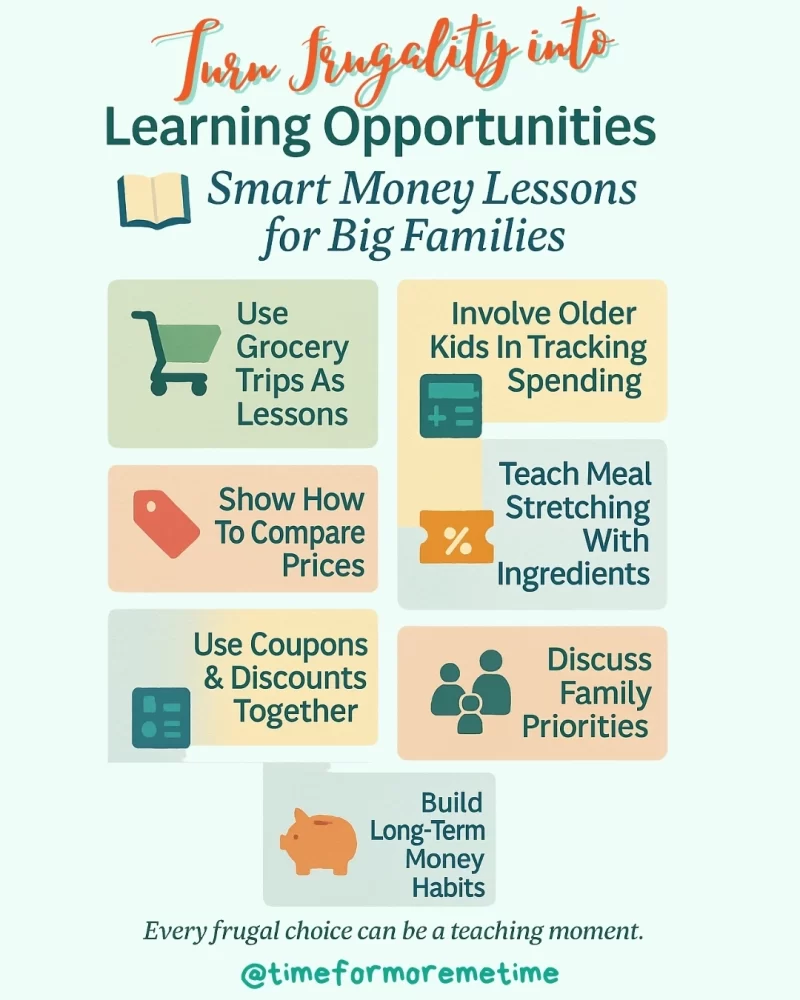
Everyday money choices can also serve as valuable lessons for kids. Grocery shopping, for example, is an opportunity to demonstrate how to compare prices or use coupons effectively.
Encourage older children to track spending or suggest ways to stretch meals with affordable ingredients. Involving kids makes them more aware of household priorities and the sacrifices required to reach them.
Over time, these small actions make it easier to sustain a frugal lifestyle with a large family while preparing children for financial independence.
5. Focus On Experiences Over Things
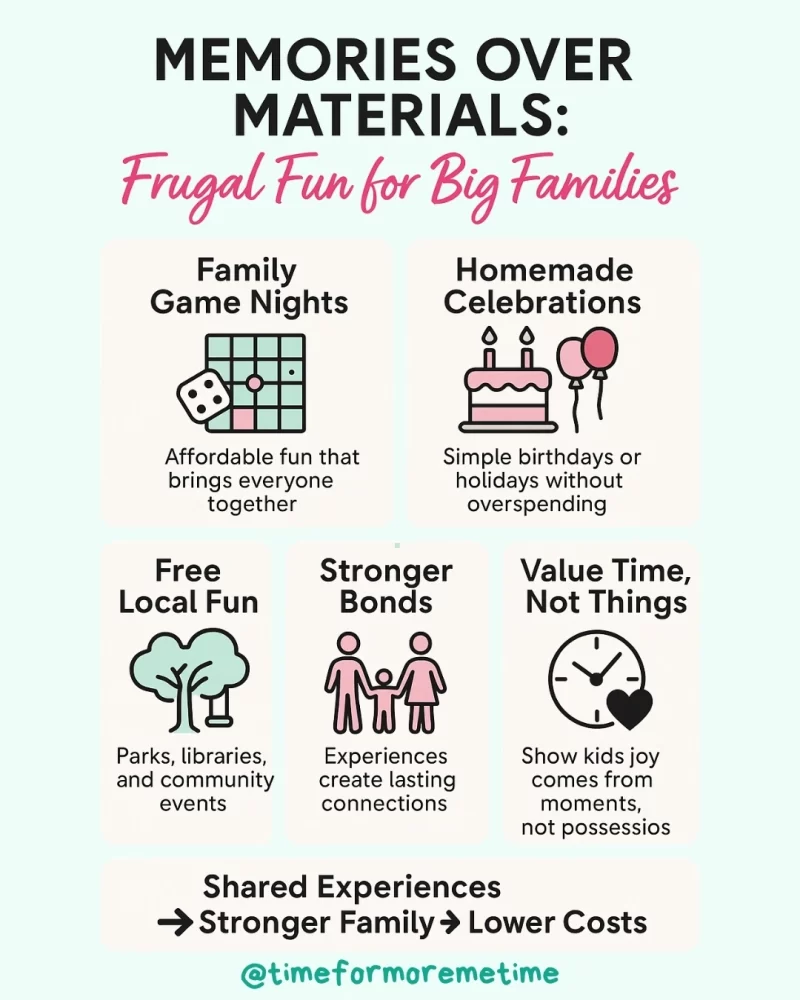
Frugality doesn’t mean missing out on joy. Instead of spending on expensive items, focus on creating memories through simple activities.
Family game nights, homemade celebrations, or visits to parks and libraries can be just as meaningful as costly outings. These moments strengthen bonds while keeping expenses low.
When you prioritize shared experiences, you show your children that living well is not about possessions but about time together.
6. Create A Home Economy System
Running a large family often feels like managing a small business. Creating systems at home can cut costs while making life easier.
Batch cooking, freezing meals, or maintaining a family garden reduces reliance on takeout or store-bought produce. Simple routines, such as rotating chores, also save money and time.
By building a household system that supports savings, it becomes much easier to live frugally with a large family day after day.
7. Stretch Housing And Space Creatively
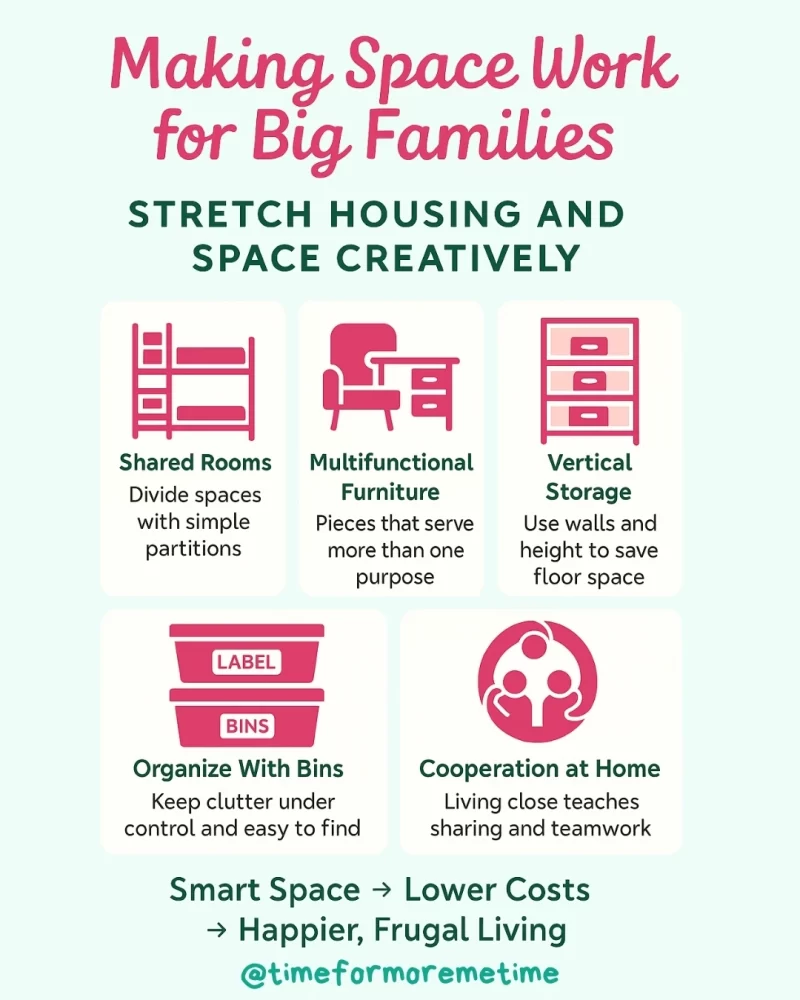
Big families don’t always need bigger houses. Instead, make the most of the space you already have with creativity and smart organization.
Shared rooms can be sectioned with simple dividers, while multifunctional furniture helps maintain order. Storage bins and vertical shelving also maximize limited space.
These approaches not only reduce housing costs but also encourage cooperation. Families learn that living together closely can be manageable and fulfilling.
8. Practice Smart Sharing And Borrowing
Not every item needs to be purchased, especially when it’s rarely used. Borrow tools, sports gear, or party supplies from friends or relatives instead of buying new.
You can also create rotation systems for items like baby gear or seasonal clothing to maximize their use. These habits save money, reduce waste, and keep resources circulating within your circle.
Sharing everyday items is a direct way to live frugally with a large family while keeping expenses under control.
9. Build A Family Frugal Challenge
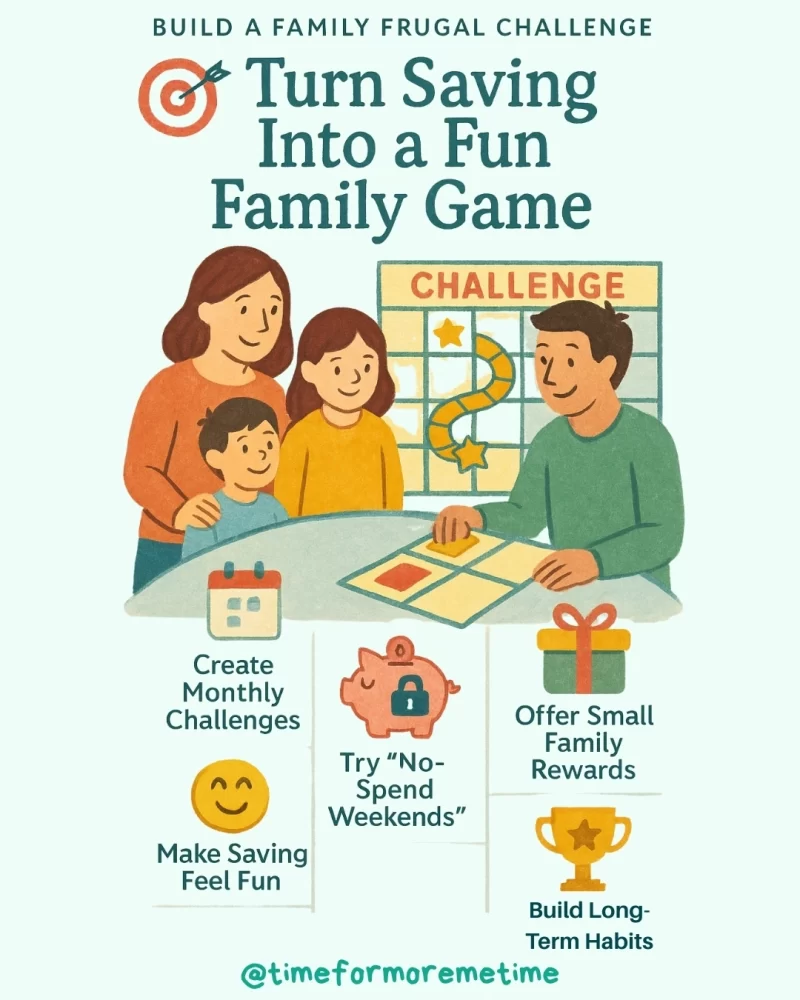
Saving can be fun when it feels like a game. Create monthly challenges, such as “no-spend weekends” or “cook from the pantry week,” to involve everyone.
Offer small rewards, such as extra family time or choosing the next activity. These challenges make frugality engaging instead of restrictive.
Over time, kids learn that money-saving habits can be enjoyable and rewarding, creating a lasting foundation for financial discipline.
10. Celebrate The Benefits Of Simple Living
Frugal living becomes easier when families see how it improves daily life. Emphasize the freedom that comes from fewer bills, less clutter, and more stability.
Celebrate progress by marking savings milestones, debt payoffs, or completing a family challenge. These celebrations help maintain motivation and demonstrate that small wins contribute to long-term success.
When families take pride in achievements, frugality feels rewarding and becomes a lifestyle that everyone values.
11. Cook From Scratch Together
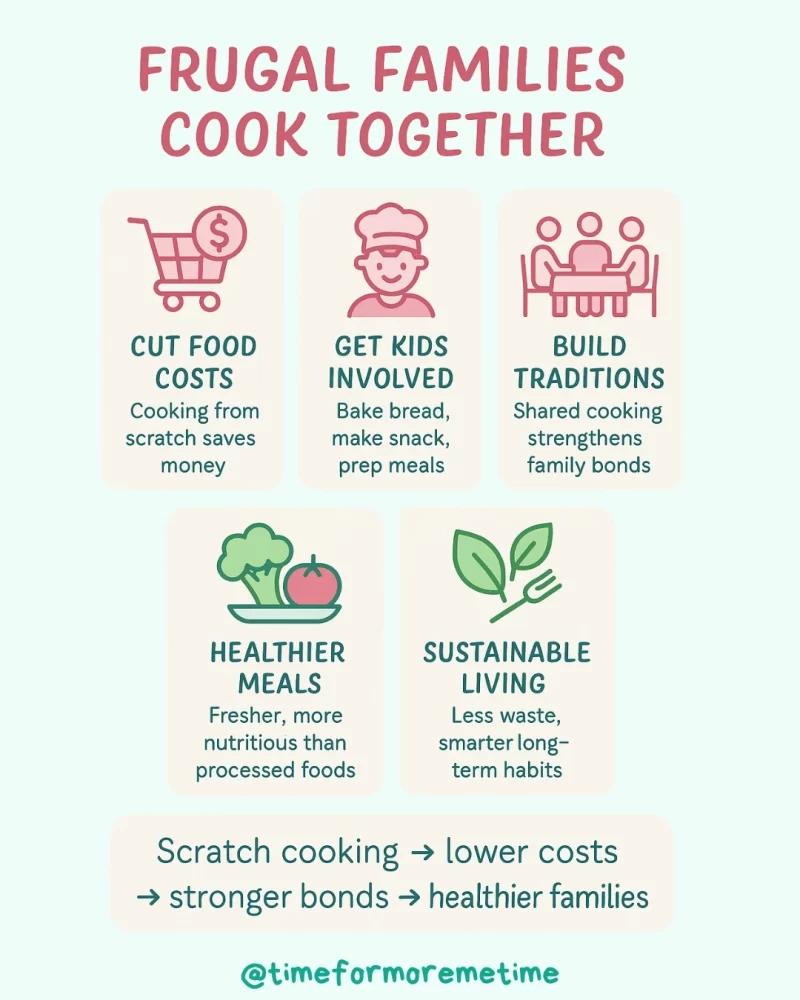
Food is one of the biggest expenses for large families. Cooking from scratch is a practical way to cut costs while building valuable skills.
Get kids involved in baking bread, making snacks, or preparing family meals. This teamwork saves money and creates traditions that strengthen family bonds.
It’s also healthier and more sustainable than relying on prepackaged items. If you’re aiming to live frugally with a large family, home cooking is a cornerstone habit.
12. Leverage Community And Support Networks
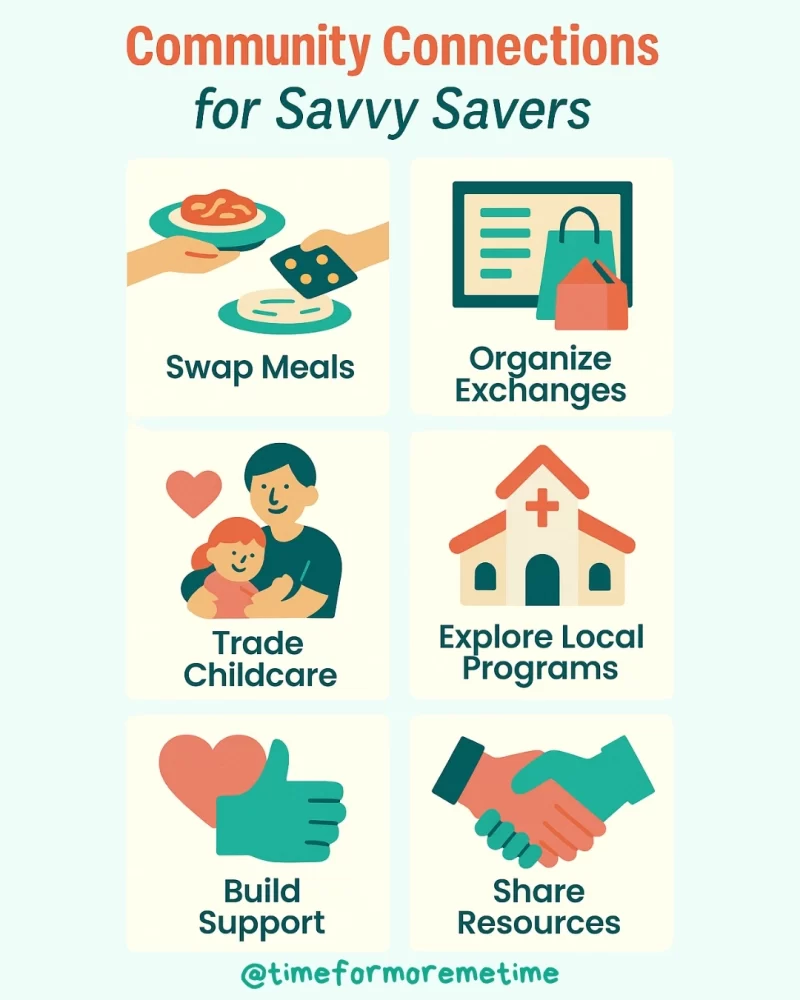
Beyond borrowing items, community connections can help families thrive in more meaningful ways. Organize meal swaps, trade childcare duties, or split the cost of bulk purchases with neighbors.
Local organizations, churches, and community centers also provide low-cost or free opportunities for kids, helping reduce the need for pricey entertainment.
These networks not only lighten financial strain but also strengthen emotional support, making it easier to sustain frugal living while feeling connected and supported.
13. Plan For Seasonal And Bulk Purchases
Timing makes a big difference in saving money. Stock up during seasonal sales, holidays, or harvest seasons when prices are at their lowest.
Extra storage, such as freezers or shelves, helps you take advantage of bulk deals without waste. This foresight reduces last-minute purchases at higher costs.
With careful planning, you can make shopping a strategic endeavor. Doing so helps big households stretch every dollar further.
14. Use Technology To Save More
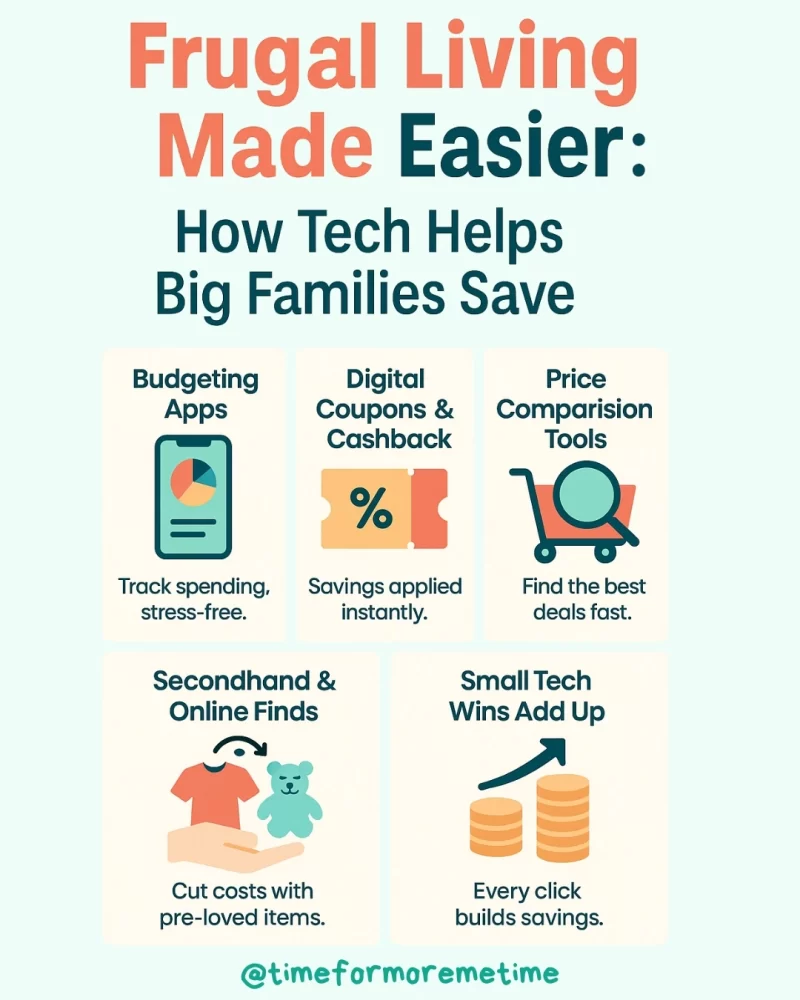
Modern tools make frugal living easier to manage. Budgeting apps can track spending, while digital coupons and cashback programs automatically add savings.
Online platforms also make it simple to compare prices or buy secondhand items at a fraction of retail cost. Even small tech-driven habits add up over time.
With the right tools, you can manage your money efficiently. The best? You don’t have to do it at the expense of quality or convenience.
15. Model Gratitude And Contentment Daily
Children notice what parents do more than what they say. By modeling gratitude, you show them that joy comes from appreciating what you have, not chasing more.
Establish small routines, such as sharing family meals or reflecting on daily blessings, to curb the urge for unnecessary spending. Over time, contentment builds resilience when financial challenges arise.
Doing so helps you live frugally with a large family and view the lifestyle as a source of gratitude. Besides, it also brings a sense of freedom instead of sacrifice.
Is It Possible To Thrive While Living Frugally With A Large Family?
Living frugally with a large family doesn’t have to feel restrictive or complicated. With the proper habits, systems, and mindset, it becomes a practical way to manage costs while creating a home built on cooperation, gratitude, and stability.
If you want more practical guides on saving, budgeting, and family finance, don’t forget to subscribe to our blog, follow us on social media, and check out our YouTube channel for ongoing tips to support your financial journey.
Source
- Photo: Pexels: fauxels