

Saving money can be tough, especially as prices keep rising. Many people want to save but find themselves stuck because interest rates change and money can lose value. A lot of Americans have trouble setting up even a small emergency fund, leaving them unsure about where to invest.
I experienced that pressure, too, when I opened my high-yield savings account during a busy month. I remember sitting in a coffee shop in the Richmond District, looking at different rates on my phone while waiting for my drink.
I know how important that decision can be for your future savings. It took me a bit to figure it out, but now I understand what makes a smart choice. I want to share some key tips to help you have more in control of your money.
Here’s what you should know before opening a high-yield savings account to avoid mistakes and make good decisions. Let’s get started!
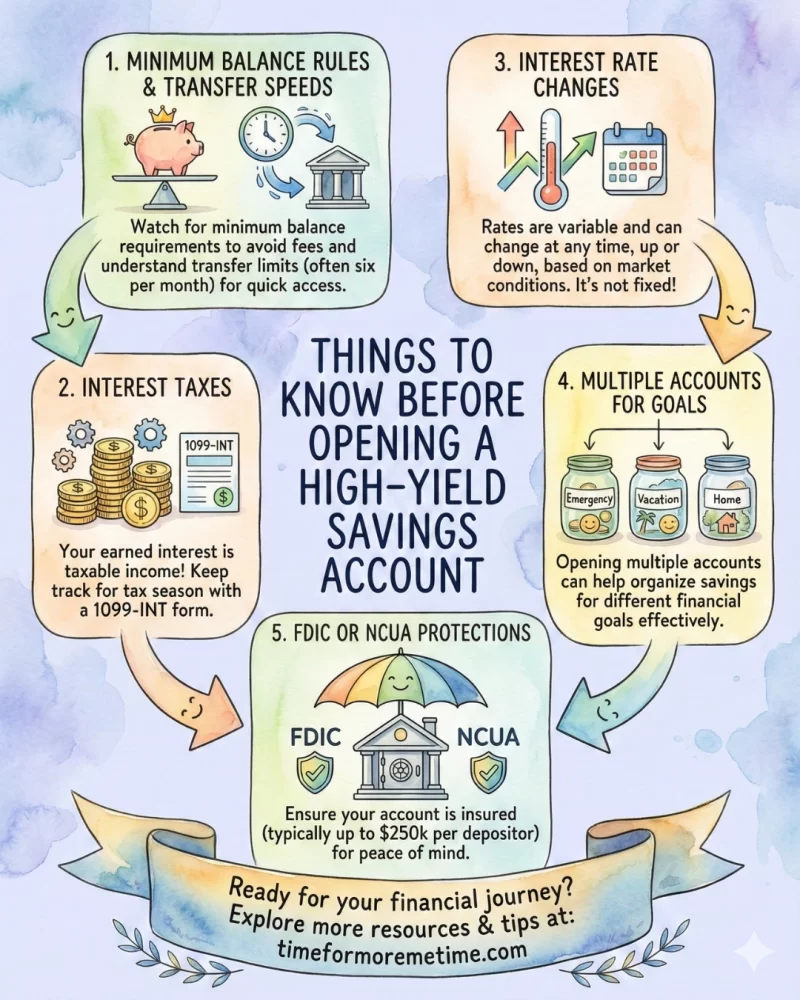
Minimum Balance Rules
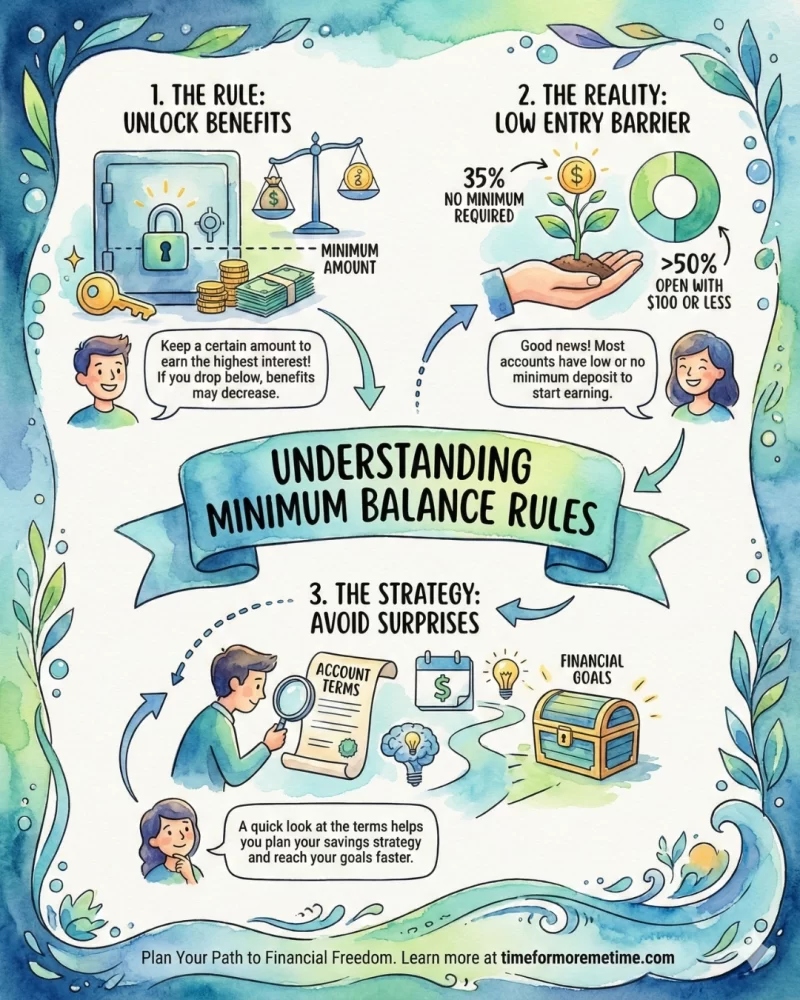
Many high-yield savings accounts have minimum balance rules. These rules require you to keep a certain amount of money in the account to earn the highest interest rate. If your balance drops below this amount, you won’t get the full benefits. More than half of high-yield savings accounts require a minimum deposit of $100 or less to open, and about 35% of accounts have no minimum deposit requirement at all to earn the advertised interest rate.
Banks use these rules to manage the interest they pay to customers. This can surprise people who think they will get a high rate right away after opening the account. Knowing these requirements helps you decide how much money to keep in the account and prepares you for changes in your interest earnings.
A quick look at the account terms can help you avoid surprises. This simple step can make your savings strategy stronger and help you reach your financial goals.
Transfer Speed Limits
high-yield savings accounts usually take longer to transfer money compared to regular bank accounts. Moving money in or out may take a few days, so these accounts work best for saving, not for everyday spending.
Banks have slower transfer speeds to encourage you to leave your savings alone for longer. While this can help your savings grow, it might be frustrating if you need quick access to your money to invest in ETFs or other equity instruments. Planning ahead can reduce stress and remind you to keep some cash in a checking account for urgent needs or investment opportunities.
Knowing the transfer speeds and limits helps you decide how much money to keep in your high-yield savings account. Having this knowledge makes it easier to manage your finances and supports your saving goals.
Interest Taxes
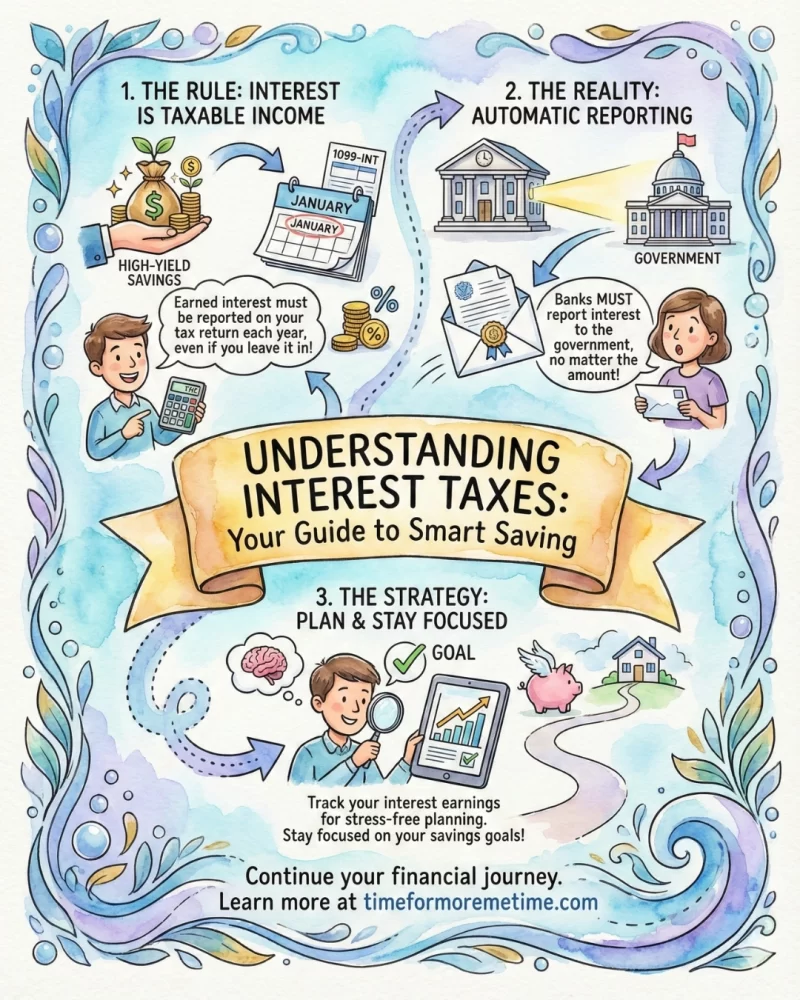
When you open a high-yield savings account, it’s important to think about taxes. The interest you earn is considered taxable income, so you must report it on your tax return each year, even if you leave the money in the account. For example, I got a small tax form in the mail the following January after earning interest.
Banks must report the interest to the government, no matter how much you earn. This can surprise you if you’re not ready for it.
Keeping a close eye on your interest earnings allows you to plan better and stay focused on your savings goals. I promise you that this simple step makes it stress free to handle your tax responsibilities as you continue saving.
Multiple Accounts
Opening multiple high-yield savings accounts can help you organize your finances and earn more interest. You can set up each account for a specific goal, like travel, emergencies, or long-term plans such as buying gold or other precious metals when prices are favorable. For example, I opened a second account to keep my emergency fund separate from my investment savings.
Many people spread their savings across different accounts to focus on their goals. This can reduce stress by showing which funds are for specific purposes and encourages more careful saving.
Using separate accounts helps you stay on track without getting overwhelmed. Having several accounts can boost your confidence and make it easier to understand how interest rates and the timing of gold prices may affect your savings and investments.
Interest Rate Changes
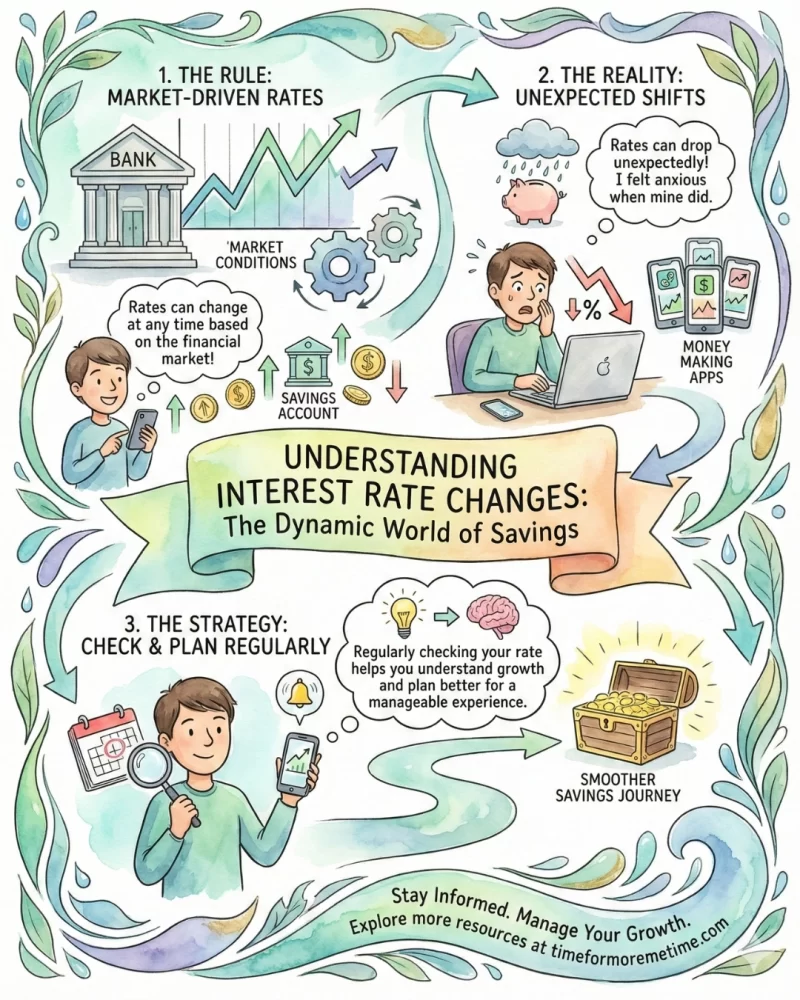
Interest rates for high-yield savings accounts can change at any time as banks adjust their rates based on market conditions. This means the amount you earn can go up or down without you doing anything.
I learned this when the interest rate on my account dropped unexpectedly while I was checking updates at my desk, and I also tracked my progress using money making apps to see where my savings were performing best. It made me anxious and showed me how important it is to regularly check my rate.
Banks adjust their high-yield savings rates in response to changes in the financial market, which can be confusing if you expect your rate to stay the same. So, check your interest rates periodically. This can help you understand how your savings are growing and keeps you informed about any changes. Being aware of these fluctuations helps you plan better as you work on making your saving experience smoother and more manageable.
FDIC Or NCUA Protections
Before opening a high-yield savings account, it’s important to check if the bank or credit union provides insurance to protect your money. This insurance covers your funds up to a certain limit in case the bank fails.
Most reputable banks offer FDIC (Federal Deposit Insurance Corporation) insurance, while credit unions usually provide NCUA (National Credit Union Administration) insurance. This protection is crucial because keeping your money safe should come first, even more than getting the highest interest rate. When you know your funds are secure, you can save with confidence and focus on your long-term goals.
Reviewing the insurance details of the institution helps you become more informed and secure as you start your savings journey.
Conclusion
A high-yield savings account can help you grow your money faster if you know how it works. Start today by checking your current account and comparing it to a high-yield option that matches your goals.
If you want to learn more about this topic, follow my blog and social media accounts. Also, check out my YouTube channel for more tips. See you there!