


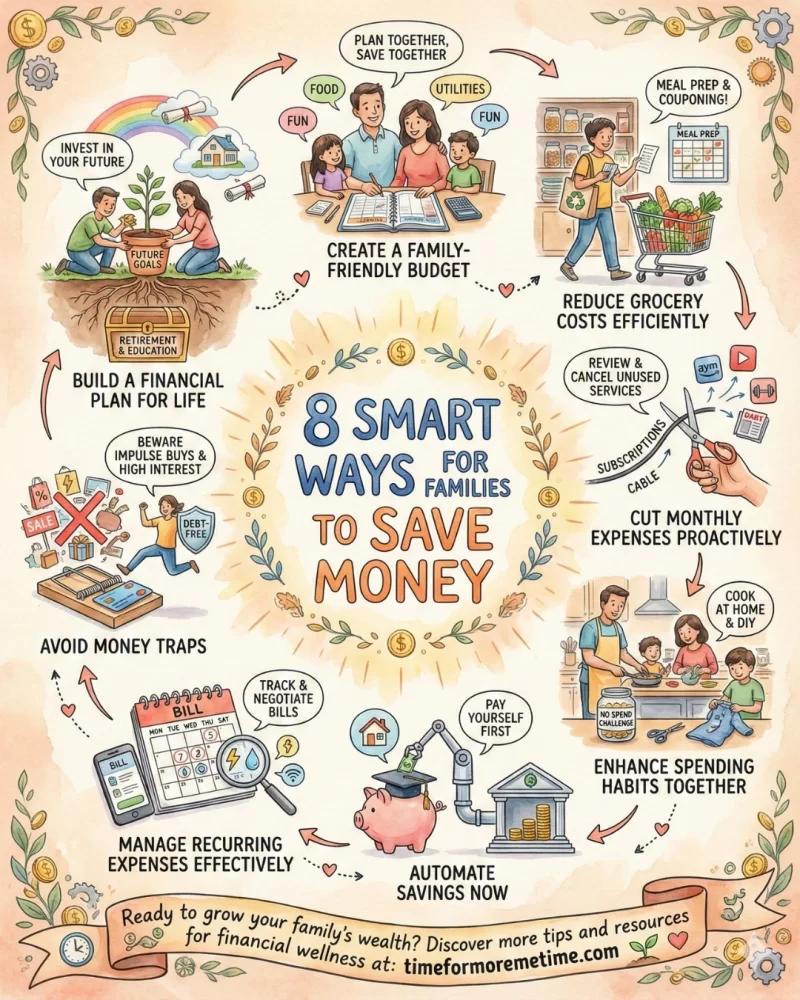
Budgeting feels especially hard for families trying to keep up with everyday expenses.
Recent US data shows that the average household spends over $78,000 a year, with housing, food, and transportation accounting for the largest share. And when money is tight, especially before the month ends, frustration builds fast.
Several years ago, I faced challenges managing household bills and debt. One evening, while sorting bank statements at my kitchen table, I noticed that my income was steady, but my money management was lacking. I decided to improve how my family planned, spent, and saved. Those changes brought a level of stability that I never thought was possible.
That’s why in this post, I’ll break down smart, realistic ways for families to save money without cutting necessities. Let’s get started!
1. Create A Family-Friendly Budget
Build a budget that fits real family life. A family budget works best when it reflects how money is actually spent day to day. Many families ask why their income feels sufficient on paper but disappears in real life. The answer usually sits in small, repeated expenses rather than large fixed bills.
When these costs aren’t planned, they quietly crowd out saving. Tracking spending for just one month often reveals patterns families didn’t expect, such as frequent takeout, convenience purchases, or unused services. And that’s reflected in the data from the US Bureau of Labor Statistics, which lists that the average household spends over $6,000 a year on food, split between groceries and eating out.
But if you know where you’re spending more, budgeting decisions become easier. What I usually do is assign money when income arrives, which answers common questions about timing and control, especially for families with irregular pay. When each of my dollars already has a purpose, I don’t make choices under pressure. What’s more, saving becomes part of my plan rather than an afterthought.
This approach also resolves a common concern about budgeting removing enjoyment. Planning for discretionary spending keeps life flexible while protecting essentials.
2. Reduce Grocery Costs Efficiently
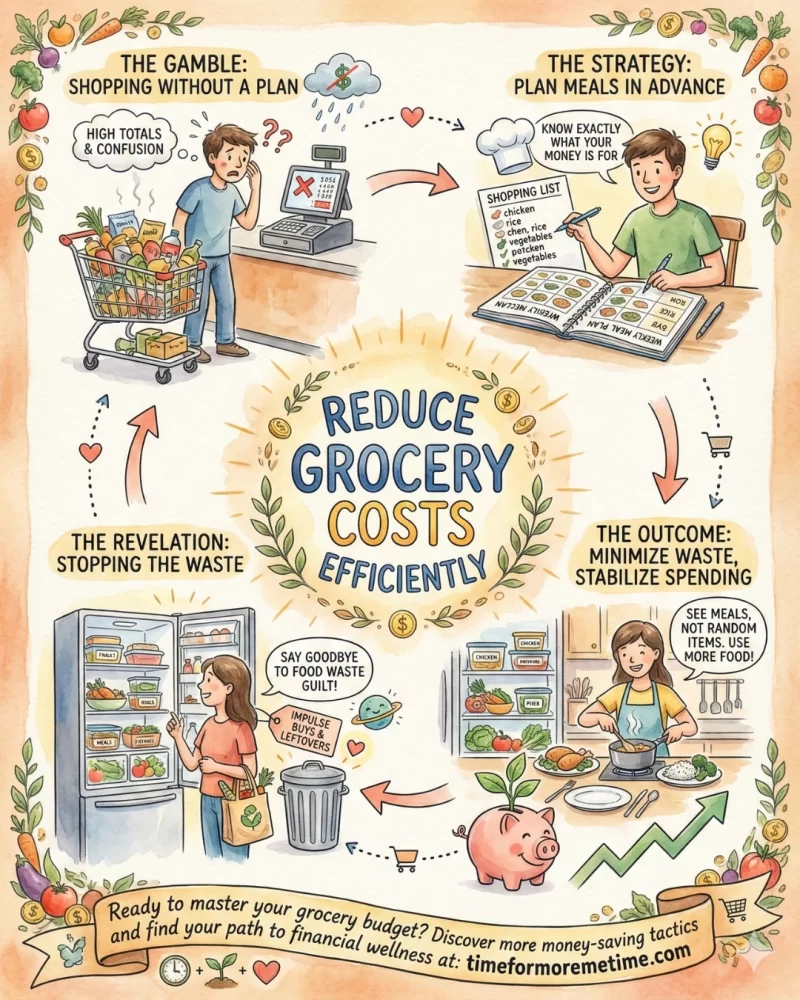
You can lower your grocery spending without sacrificing quality. Grocery bills can get high quickly if you shop without a plan. I learned this when I saw a total at checkout that seemed way too high for a regular trip. Once I started planning my meals in advance, grocery shopping felt less like a gamble because I knew exactly what my money was for.
And sometimes, we buy food that’s not on our list, and it ends up going to waste. This is a big reason why food waste in the U.S. is so high—most wasted food is either forgotten leftovers or impulse buys. When you plan meals with the same main ingredients, you use more food instead of throwing it away, which helps your grocery spending stabilize.
That’s when it hits home with this one of the best save money tactics. You open the fridge and see meals instead of random items. If you’ve ever felt bad throwing away food after cleaning it out, meal planning can make that feeling go away.
3. Cut Monthly Expenses Proactively
Proactively reduce your monthly bills. Monthly expenses often blend into the background. I once found charges I barely remembered while looking at our bank statement. When I started paying closer attention, I realized many bills keep coming just because they’re automatic.
This happens to many households, especially with subscriptions that aren’t used much. Streaming services, phone plans, and internet packages often cost more than necessary because we usually don’t review them. These bills grow quietly, which makes them easy to ignore.
That’s why a quick review is surprisingly rewarding—this also gets you closer to having a rich mindset. You cancel one thing or downgrade another, and suddenly there’s a little extra room in the budget. Nothing else in your routine changes, yet your money stretches further almost immediately.
4. Enhance Spending Habits Together
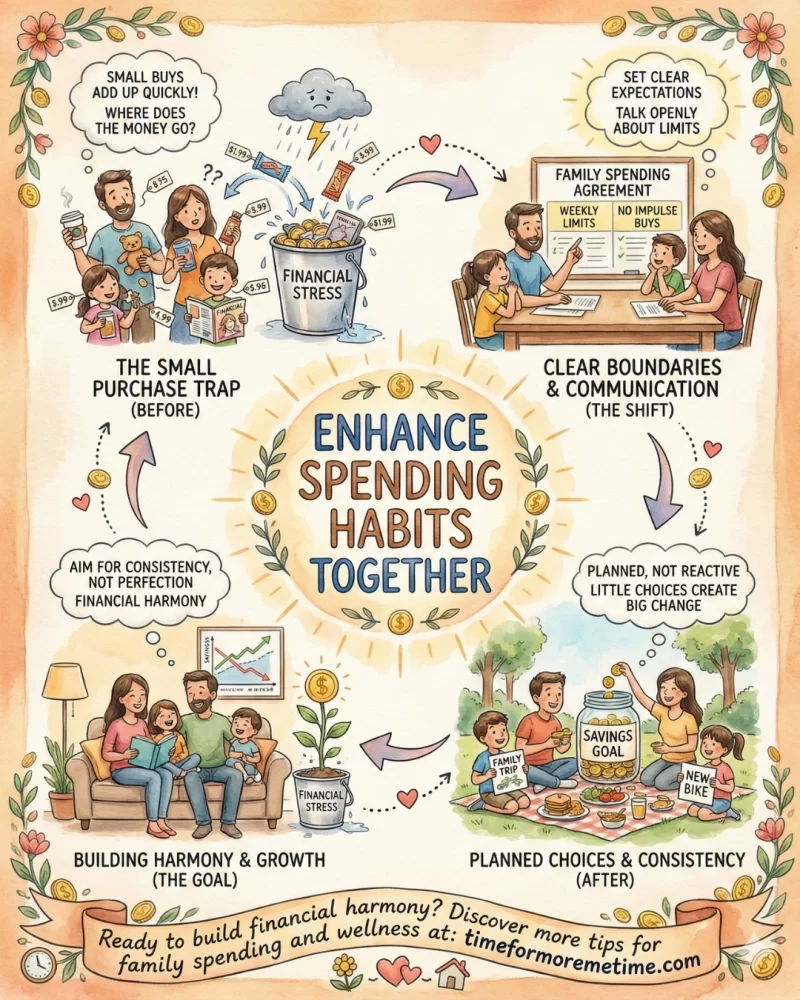
To improve daily spending habits as a family, it’s important to keep track of where money goes. Small purchases during the week can quickly add up and take away from savings. Each purchase may seem small, but together they create financial stress.
It helps when everyone in the house understands the same boundaries. Kids especially respond better when expectations are clear instead of corrected later. When families talk openly about spending limits, fewer decisions turn into debates.
You’ll notice the change fast with these life changing habits. Little choices stop piling up, and spending become planned instead of reactive. The goal isn’t perfection. It’s the consistency that everyone can live with.
5. Automate Savings Now
Use automation to make saving easier. You can do direct deposit splitting, scheduled transfers, or bill payment automations. Saving often fails at the same point: you plan to do it, you want to do it, but then life gets busy and you forget. That happened to me until I stopped relying on my memory and let the system do it for me.
When money moves into savings automatically, everything changes. You stop debating whether to save because the decision is already made. Even small transfers feel important when they happen regularly without any effort or worry.
Over time, saving becomes automatic and a regular part of your routine. You’re not forcing yourself or thinking about it all the time. It simply flows with your money, making it easier to stay consistent.
6. Manage Recurring Expenses Effectively
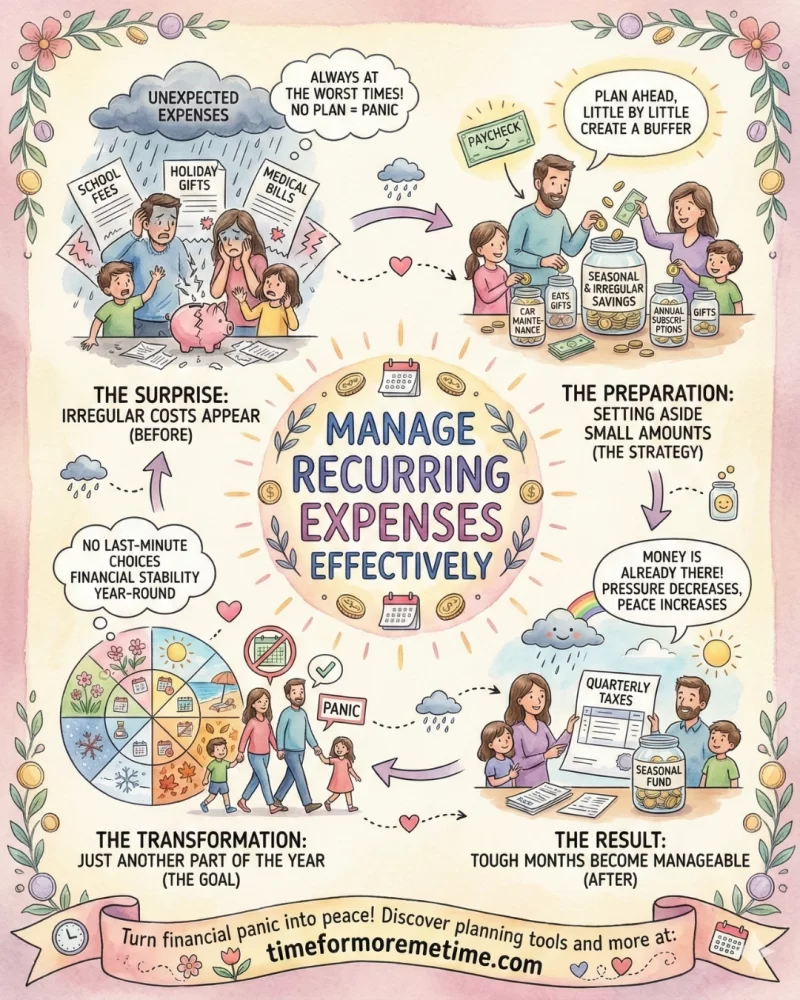
Prepare for recurring but irregular and seasonal expenses. Irregular costs often appear at the worst times. I used to be surprised by school fees, holidays, or medical bills, even though they weren’t truly unexpected—I just hadn’t planned for them.
These expenses come up every year, but not on a regular monthly schedule. By setting aside small amounts ahead of time, those tough months become manageable. The pressure decreases because the money is already there.
Over time, these costs lose the power to disrupt your finances. They still happen, but they don’t cause panic or last-minute choices. Planning ahead makes them just another part of the year.
7. Avoid Money Traps
Avoid common money traps. The way families spend has changed greatly. Before, purchases became easier to justify because payments weren’t immediate. When the cost comes later, the decision becomes lighter in the moment, even if the impact eventually shows up.
Delayed payment options and automatic renewals make it easy to spend without fully registering it. You don’t get hit right away, so it slips past your awareness. Over time, those small approvals start stacking up in ways that are hard to untangle.
That’s where a pause helps. Giving yourself a little space before buying brings clarity back into the decision. It doesn’t stop spending completely, but it slows things down enough to stay intentional.
8. Build A Financial Plan For Life
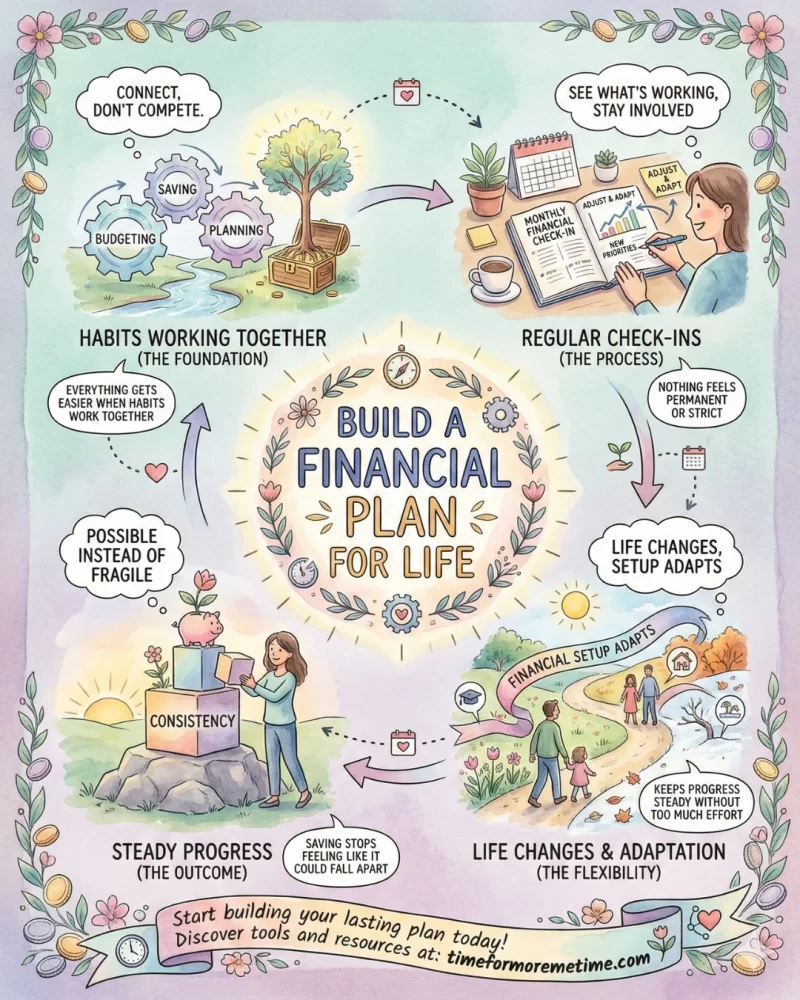
Develop a plan and budget that will last a lifetime. Everything gets easier when your habits work together instead of against each other. Budgeting, saving, and planning connect rather than compete for your attention. That’s when staying consistent feels possible instead of fragile.
I hold regular check-ins to keep my budget on track. I can see what’s working, what needs changes, and where my priorities have shifted. Nothing feels permanent or strict, making it easier to stay involved.
Saving stops feeling like something that could fall apart. Life changes, but my financial setup adapts with it. That flexibility helps keep progress steady without too much effort.
Conclusion
These are just some of the ways for families to save money without feeling overwhelmed. When you start with one change this week, your expenses will adjust first.
If you found this information helpful, consider subscribing to or following me on social media. Don’t forget to check out my YouTube channel. See you there!
Source
- Photo: Pexels: Puwadon Sang-ngern