


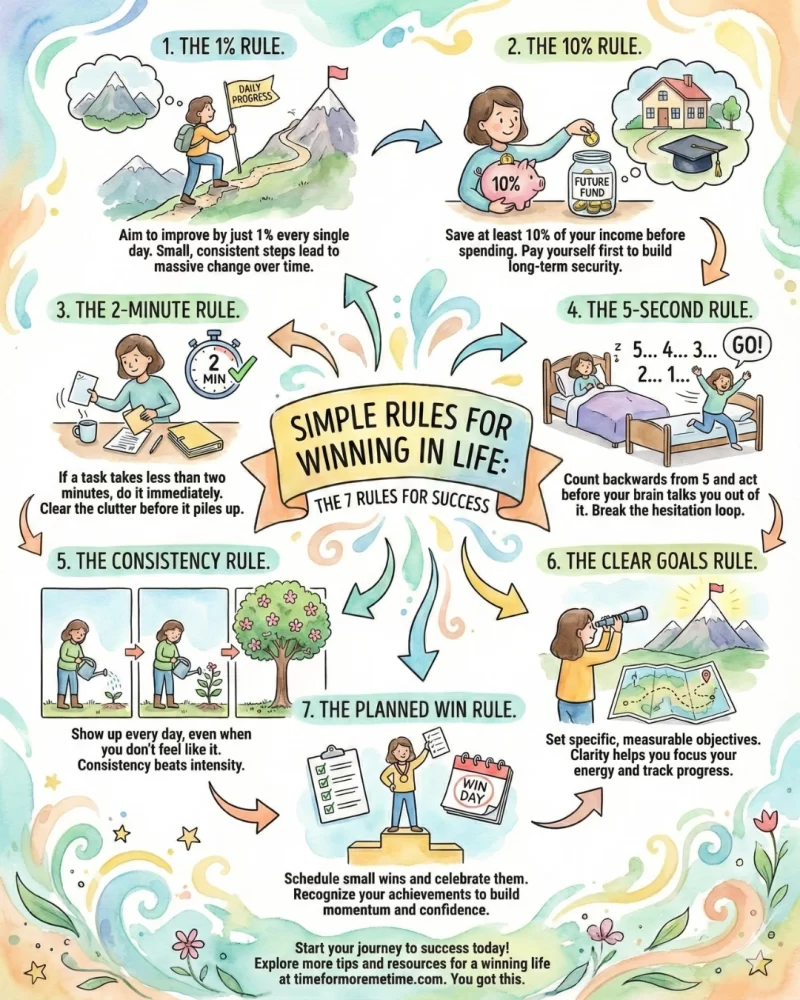
Winning in life can feel challenging when each day seems like an endless race. Many people work hard but still feel stuck, and that’s just part of life. To get through these feelings, it’s important to adopt simple rules and habits that can lead to progress.
Research shows that small daily habits can greatly improve long-term success. These minor actions hold great power, allowing you to move forward even when life feels overwhelming.
I learned this lesson during my early years in New York. While balancing long work hours and school, I often studied late in cramped rooms and took the bus home through the snow after tiring shifts. Those late nights taught me that small actions can lead to big results over time. This realization helped me a set of rules that guides others toward real progress.
Having faced these challenges, I want to share the simple rules that helped me move ahead. These rules will help you build better habits and find clearer direction, even when life feels chaotic. Let’s get started!
The 1% Rule
The 1% rule is a powerful idea that encourages you to improve your life through small, manageable steps. It teaches that you only need to get a little better each day, even if the changes seem small at first. I used this rule during my sophomore year when I was adjusting to long work hours while dreaming of a brighter future.
Those who focus on small daily habits often see steady improvement because these little actions add up faster than you think. Research found that about 66% of everyday actions are driven by habit. Over time, these habits can introduce small changes that can lead to big progress. I’ve seen it work for many people who gradually enhance their routines, and I believe it can work for you too.
If you’ve ever felt overwhelmed by the urge to change everything at once, this rule can help. By choosing one tiny step each day, you can keep moving forward and get ready for the next stage of your journey.
The 10% Rule
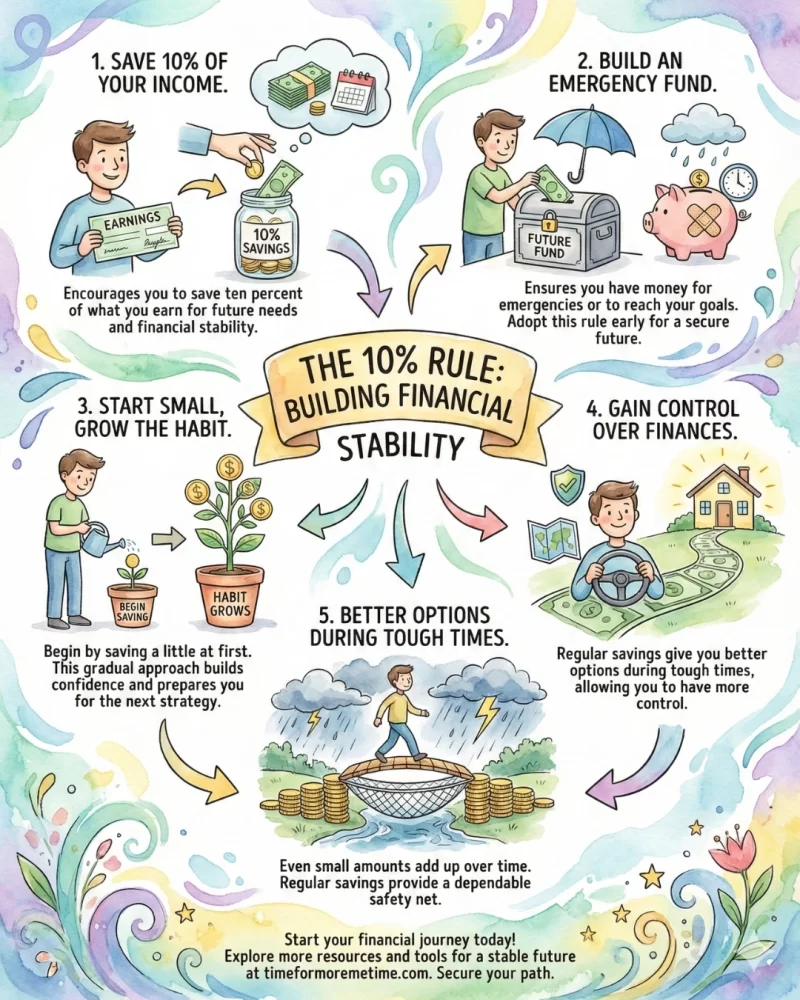
The 10% rule is a practical guideline for creating financial stability by saving a small part of your income for future needs. It encourages you to save ten percent of what you earn, making sure you have money for emergencies or to reach your goals. I adopted this rule during my first job after college while focusing on paying off debt and building a more secure future.
People who save regularly find that even small amounts can add up over time, showing how dependable this approach is. Regular savings give you better options during tough times, allowing you to have more control over your finances.
To get started with this rule, begin by saving a little at first and let the habit grow. This gradual approach will build your confidence and prepare you for your next financial strategy.
The 2-Minute Rule
The 2-minute rule is a simple strategy for beating procrastination by making tasks feel smaller and easier to start. It encourages you to begin any task that takes two minutes or less, helping to break down the heavy feeling that often stops you from acting. I started using this rule when I struggled to complete tasks in both school and work.
Many people find that once they start a task, it’s much easier to finish it. This initial push often leads to more progress than they expected, showing that the hardest part is usually just taking that first step. I understand how overwhelming it can feel when your to-do list grows faster than your energy, but this rule helps lighten that load.
Once you start a task, it becomes less scary. So, choose a small action that takes just a moment to complete. By using this momentum, you build a habit of taking action and set yourself up smoothly for the next strategy.
The 5-Second Rule
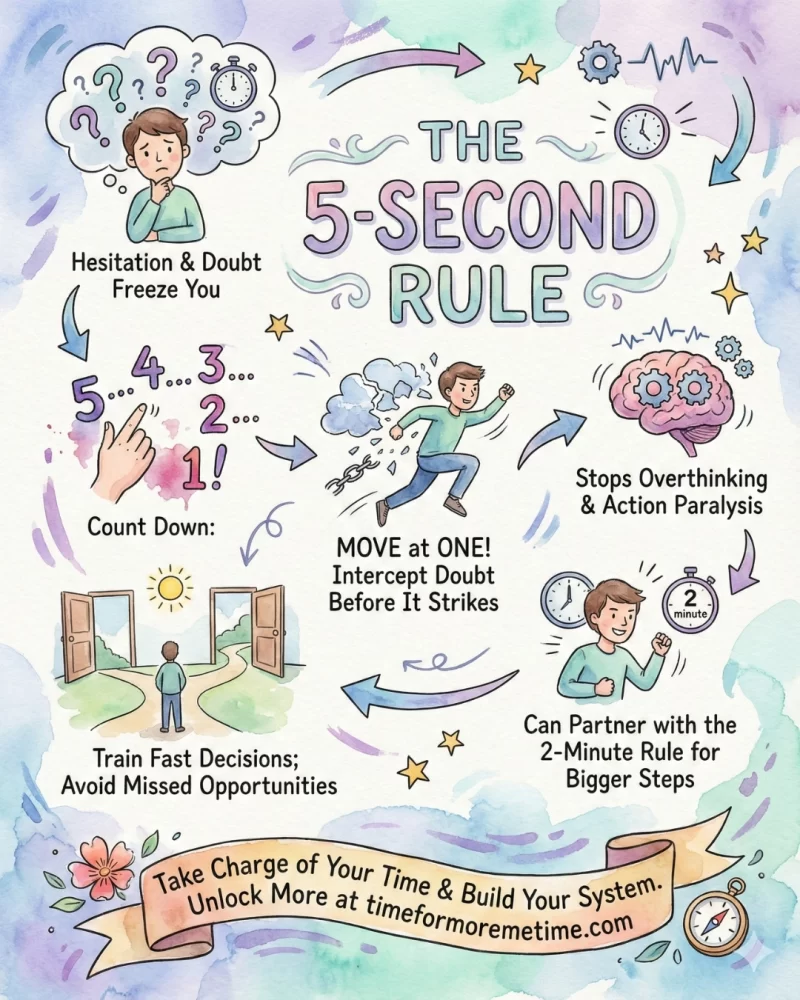
The 5-second rule is a powerful technique that helps you take action before doubt can hold you back. It involves counting down from five and moving as soon as you reach one, effectively stopping your mind from talking you out of important steps. I often used the 5-second rule alongside the 2-minute rule, especially when the latter felt too daunting.
Many people who make quick decisions find that taking swift action reduces stress in tough situations, showing how effective this rule can be. It helps stop overthinking, which can freeze your ability to act. I understand how easy it is to hesitate when you feel uncertain, but this rule gives you a simple way to push through those moments of doubt.
The key takeaway is to act quickly; waiting too long can lead to missed opportunities. By applying this rule, you can train yourself to decide fast and move forward before doubt takes over, paving the way for more advanced strategies that will help you build a strong life system.
The Consistency Rule
The consistency rule emphasizes that steady effort leads to better results than occasional, intense efforts. It encourages you to show up a little each day, and this allows your progress to grow naturally over time. I embraced this principle during my years in the roofing industry as I balanced long shifts with studying for board exams.
People who build consistent habits see greater progress than those who chase quick wins. This principle shows how daily effort contributes to long-term success, and this makes your journey feel clearer and more manageable. I understand how hard it can be to maintain consistency when life gets busy, but this rule helps you keep going without feeling overwhelmed.
Remember, routines become easier to follow with time. To use this rule, choose a small action you can repeat every day. This practice will make the next rule feel more intuitive and helpful.
The Clear Goals Rule
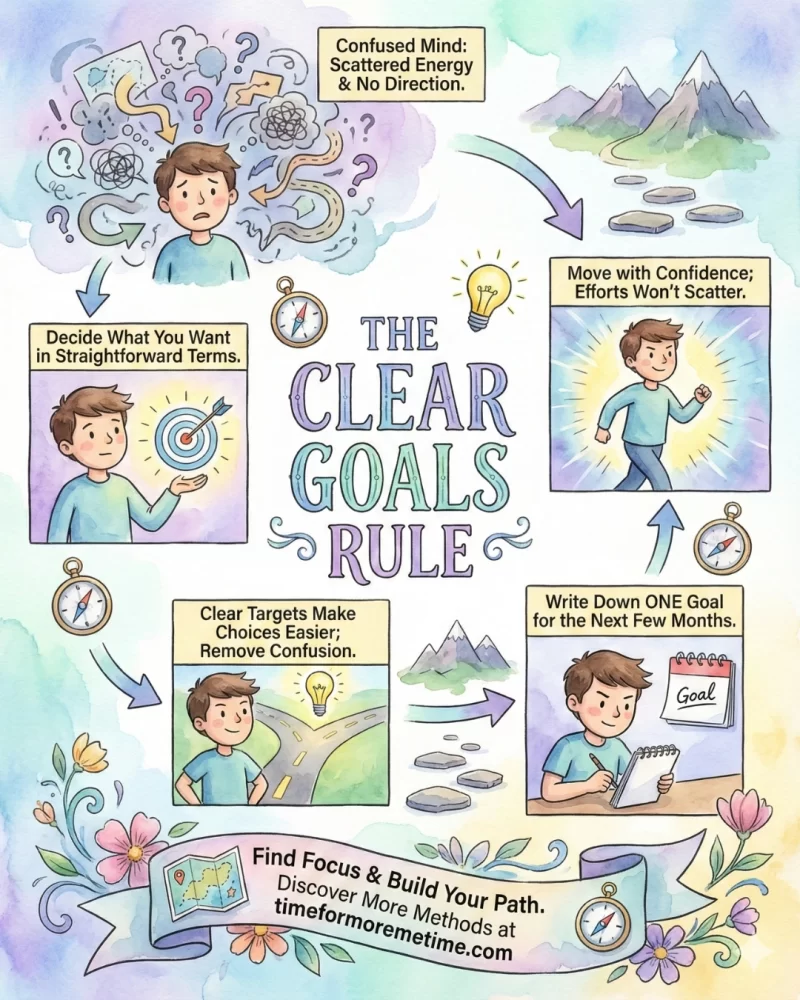
The clear goals rule helps you focus by giving your mind a simple target. It means deciding what you want in straightforward terms so you know exactly where to put your energy. As you may have surmised, this rule helped me set the goal to finish my degrees after dropping out of school at sixteen.
Successful people set simple goals achieve them faster because clear targets make choices easier. This removes confusion and helps you move with confidence. I know how easy it is to feel lost without direction, and this rule gets you back on track.
With clear goals, your efforts won’t scatter in different directions. So, write down one goal you want to reach in the next few months. This leads you directly into the section where I share my own method.
The Planned Win Rule
The Planned Win Rule is a simple strategy I created to add small victories to each day. It involves choosing one tiny win for the morning, one for the afternoon, and one for the evening, making progress a natural part of my routine.
I came up with this idea years ago while working long hours as a waiter, trying to survive on a tight budget while also studying hard. During that time, I felt stuck. Nothing was changing, and graduation seemed far away. I needed something to help me look forward in life.
From my experience, I’ve noticed that about seven out of ten successful people reach their goals faster by following a pattern of small planned wins instead of relying on random efforts. This approach works by creating a rhythm that energizes you instead of draining your motivation. I understand how chaotic life can be, and this rule helps make it feel more manageable.
To use this rule, start by picking three small wins each day, even if they only take a few minutes to complete. Make sure to achieve these wins, as this prepares you for everything coming together in the end.
Conclusion
Winning in life means using small rules to guide your actions every day. The rules I’ve shared work together to support slow but steady growth. I’ve followed these principles through various challenges, from finishing school in Buffalo to moving to San Francisco and preparing for MMA fights while managing long work shifts. Each small choice helped create something much bigger.
If you found this content helpful, I invite you to connect with me on social media. Also, consider subscribing to my blog and checking out my YouTube channel for more insights. See you there!