


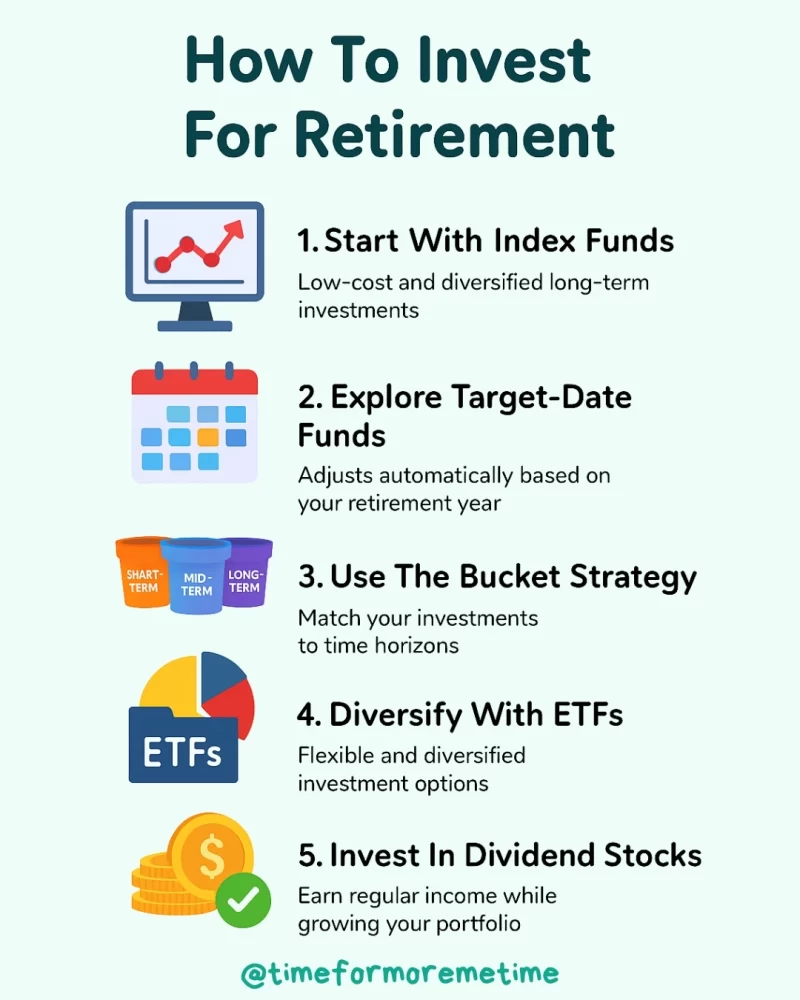
Many people know they should invest for retirement, but few understand how to do it well. With inflation rising and pensions fading, building a strong investment strategy is more important than ever. This post breaks down the most effective investing methods so you can grow your money with confidence. Let’s get started!
1. Start With Index Funds
If you’re new to investing for retirement, index funds offer one of the most accessible and effective entry points. These funds follow major stock market indexes like the S&P 500, which means you’re investing in hundreds of companies all at once, instantly giving your portfolio broad diversification.
Compared to actively managed funds, index funds generally come with lower fees and have historically delivered solid long-term returns. This makes them a wise choice for building wealth steadily without constant oversight.
To keep your investment strategy organized, pair index fund investing with simple budgeting tools. These apps can help you track how much you’re putting into your retirement each month, monitor your progress, and adjust contributions as needed.
2. Explore Target-Date Funds
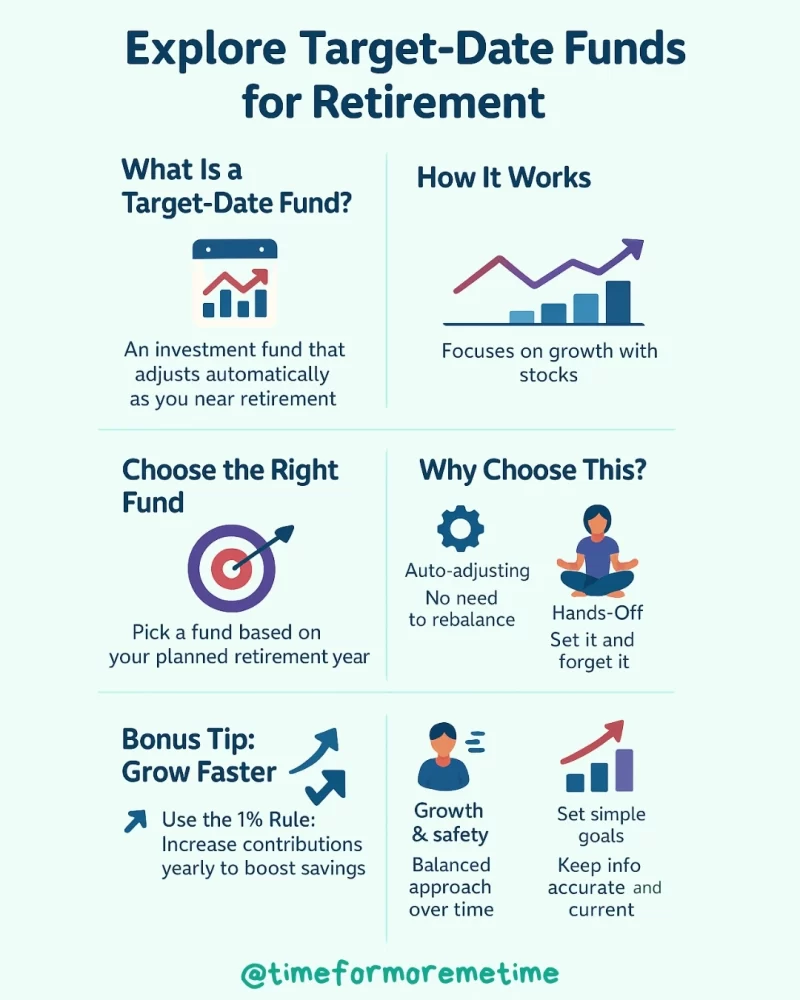
Target-date funds are designed to adjust your investment risk as you approach retirement. If you’re looking for a simple way to invest without having to manage everything yourself, target-date funds are a great option.
Target-date funds are centered around the year you plan to retire; for example, you might choose a “2045 Fund” if you expect to retire in 2045. Initially, the fund invests more in stocks to promote growth, and over time, it gradually shifts towards safer investments, such as bonds, as you near your retirement date.
They’re perfect for people who want to “set it and forget it.” The fund automatically changes over time to match your needs, so you don’t have to worry about moving your money around.
To grow your savings faster, try the 1% rule—increase your retirement contribution by just 1% each year. It’s a small change that adds up over time without putting too much pressure on your monthly budget.
3. Use The Bucket Strategy
The bucket strategy is a smart way to organize your retirement money based on when you’ll need it. Instead of keeping all your investments in one place, you split them into three “buckets” based on time. Consider these examples:
- Bucket 1 (0–2 years): Keep this in cash or a high-yield savings account so you can access it quickly for everyday expenses or emergencies. This acts like your emergency fund.
- Bucket 2 (3–10 years): Invest this in bonds or low-risk funds. It’s for near-future needs but has time to grow a bit.
- Bucket 3 (10+ years): This is for long-term growth. You can invest in stocks or other assets that may rise in value over time.
This setup helps you feel more secure. You’ll have money ready for now, soon, and later, while still giving your retirement savings room to grow.
4. Diversify With ETFs
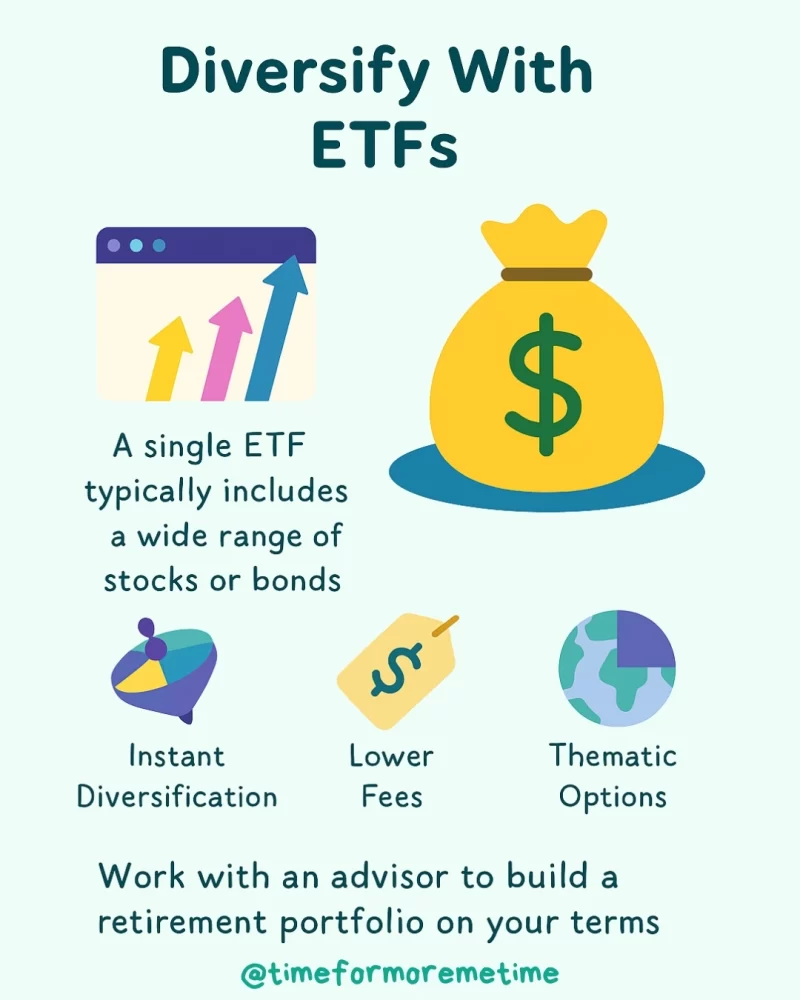
When you’re just starting to invest, it’s helpful to keep things simple. Exchange-Traded Funds (ETFs) are an easy way to spread your money across many companies without buying individual stocks.
ETFs work like a bundle—you invest in one fund, and that fund holds a variety of stocks, bonds, or both. This gives you instant diversification, which lowers your risk if one company or sector performs poorly.
These funds usually come with lower fees compared to mutual funds, and they’re easy to buy or sell through online accounts. You can also choose funds based on different themes like technology, healthcare, or international markets.
If you’re not sure which ETFs fit your needs, hire a financial advisor. They can walk you through your options and help you build a retirement portfolio that fits your goals and comfort level.
5. Invest In Dividend Stocks
If you want to earn money from your investments while still growing your portfolio, dividend-paying stocks are a smart option. These are shares from companies that regularly pay out a portion of their profits to investors.
This means you get passive income, even if the stock price doesn’t change much. Many retirees prefer dividend stocks because they can provide steady cash flow and tend to be less volatile than fast-growing stocks.
Reinvesting your dividends is a powerful way to build wealth over time. It allows you to buy more shares automatically, which increases your future payouts.
For extra peace of mind, use part of your dividends to build an emergency fund. Having a financial cushion protects you from unexpected costs without needing to sell your investments when the market is down. Look for reliable companies—often called blue-chip stocks—with a solid track record of consistent dividends.
Conclusion
The best way to invest for retirement is to start with strategies you can stick to. Whatever investments you prefer, consider ones that fit your lifestyle, timeline, and comfort level.
Ready to build your retirement portfolio? Subscribe to our blog, follow us on social media, and check out our beginner-friendly videos on investing.
Source
- Photo: Unsplash: PiggyBank