


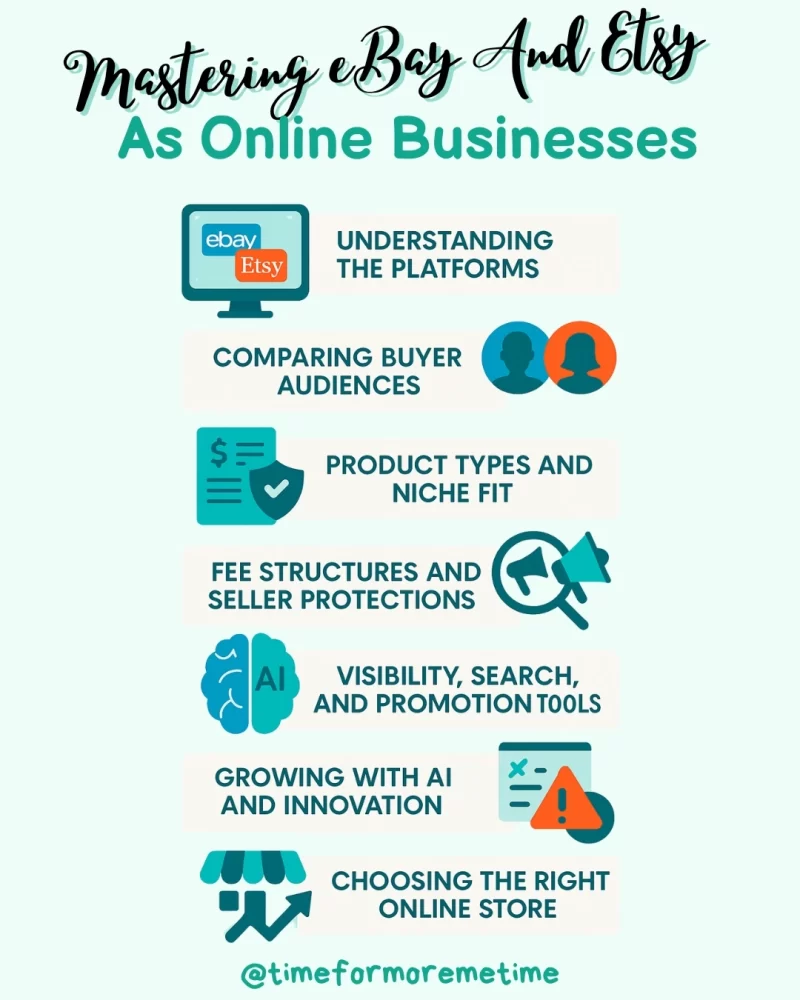
Running a business on eBay or Etsy can be a great way to earn money and reach customers all over the world, but each platform works differently and comes with its own challenges. Mastering these platforms can make the difference between slow sales and steady growth. In this post, we’ll break down how to master both eBay and Etsy so you can run your online shop with confidence. Let’s get started!
Understanding The Platforms
Before you can succeed on eBay or Etsy, it’s essential to understand how each platform operates. eBay is a massive global marketplace where nearly anything can be bought or sold, from collectibles to brand-new products. Etsy, on the other hand, focuses on handmade, vintage, and creative goods.
While both allow sellers to reach millions of buyers, their rules, tools, and selling environments differ. Knowing these differences sets the stage for identifying who your customers are and how to connect with them effectively.
Comparing Buyer Audiences
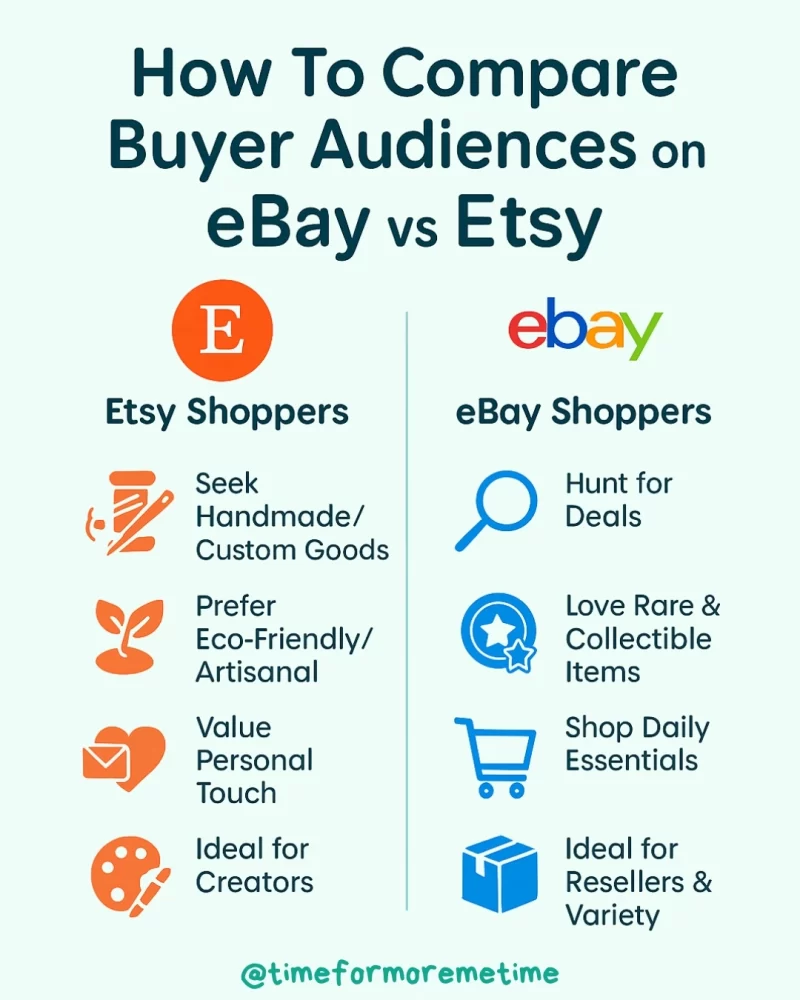
Once you understand the platforms, it’s easier to see how their audiences differ. Etsy shoppers often seek unique, personal, or eco-friendly items, valuing craftsmanship and originality. eBay’s audience is broader, attracting bargain hunters, collectors, and everyday consumers looking for variety.
These differences affect how you market and present your products. By recognizing what motivates each type of buyer, you can tailor your listings and promotions. This leads naturally to the next step—choosing products that align perfectly with each platform’s strengths.
Product Types And Niche Fit
Matching your products to the right platform is key to maximizing sales. Etsy is best suited for handmade jewelry, custom art, vintage finds, and digital downloads. eBay thrives with electronics, fashion, collectibles, and refurbished goods.
Some sellers even use both platforms, placing niche, creative items on Etsy and mass-market or collectible products on eBay. The goal is to align your inventory with where it will get the most attention. With your niche identified, you can focus on pricing, fees, and protection strategies.
Fee Structures And Seller Protections
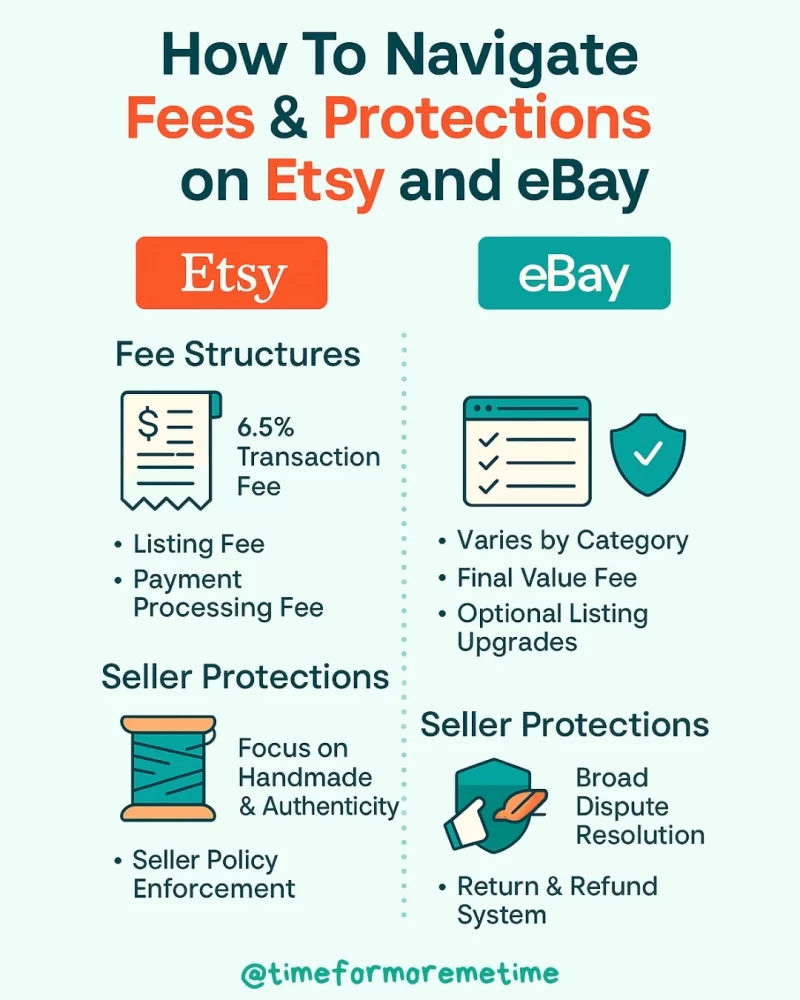
Once you’ve chosen your niche, understanding the costs of selling on each platform is essential. Etsy charges a 6.5% transaction fee, plus listing and payment processing fees, while eBay’s fees vary by category and include final value and optional listing upgrades.
Both platforms offer seller protections, but the scope differs—Etsy focuses on handmade authenticity, while eBay emphasizes dispute resolution for a broad range of goods. Knowing these structures helps you price your items profitably. With costs clear, you can shift focus to how your listings get seen.
Visibility, Search, And Promotion Tools
Visibility is everything in online selling, and each platform has tools to help you stand out. eBay uses its Cassini search engine, rewarding detailed titles, complete item specifics, and strong images, while Etsy’s algorithm favors relevant keywords and engagement. Both offer paid promotion options—eBay’s Promoted Listings and Etsy Ads—to boost placement.
The key is balancing organic optimization with smart ad spending. As technology evolves, sellers can now take these strategies even further by incorporating AI to enhance product presentation and marketing.
Growing With AI And Innovation
AI tools are becoming game-changers for online sellers, offering ways to streamline work and improve creativity. On Etsy, sellers are using AI to design unique digital products or enhance listing photos, while eBay sellers use it for automated pricing suggestions and data-driven market research.
Innovations like AI-generated product descriptions or predictive inventory planning can save time and increase sales potential. Embracing these tools not only helps you keep up with competitors but also opens the door for cross-platform growth strategies that scale your business.
Cross-Platform Strategies And Scaling
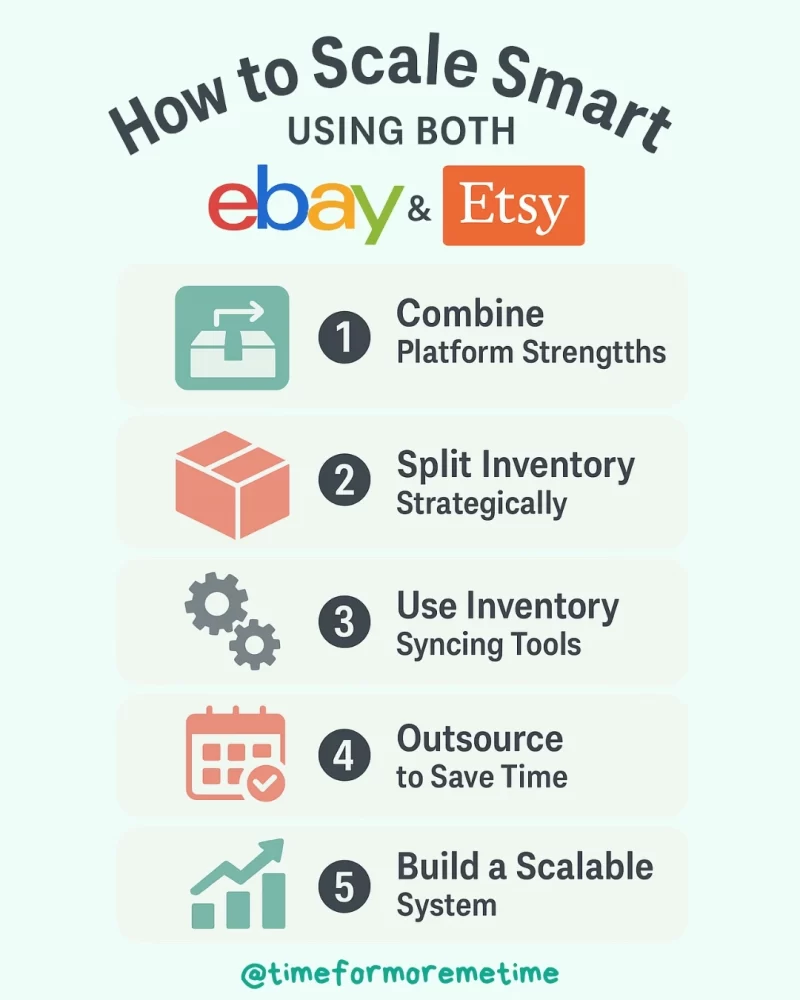
Once you’ve mastered each platform individually, combining their strengths can multiply your results. Some sellers list certain products on both eBay and Etsy to reach a wider audience, while others split their inventory based on which platform suits each item best.
Using centralized inventory management tools ensures stock stays accurate across both sites. Scaling also means outsourcing tasks like photography or packaging, freeing your time for product development and marketing. With a solid system in place, you can confidently choose the best long-term direction for your business.
Choosing The Right Online Store
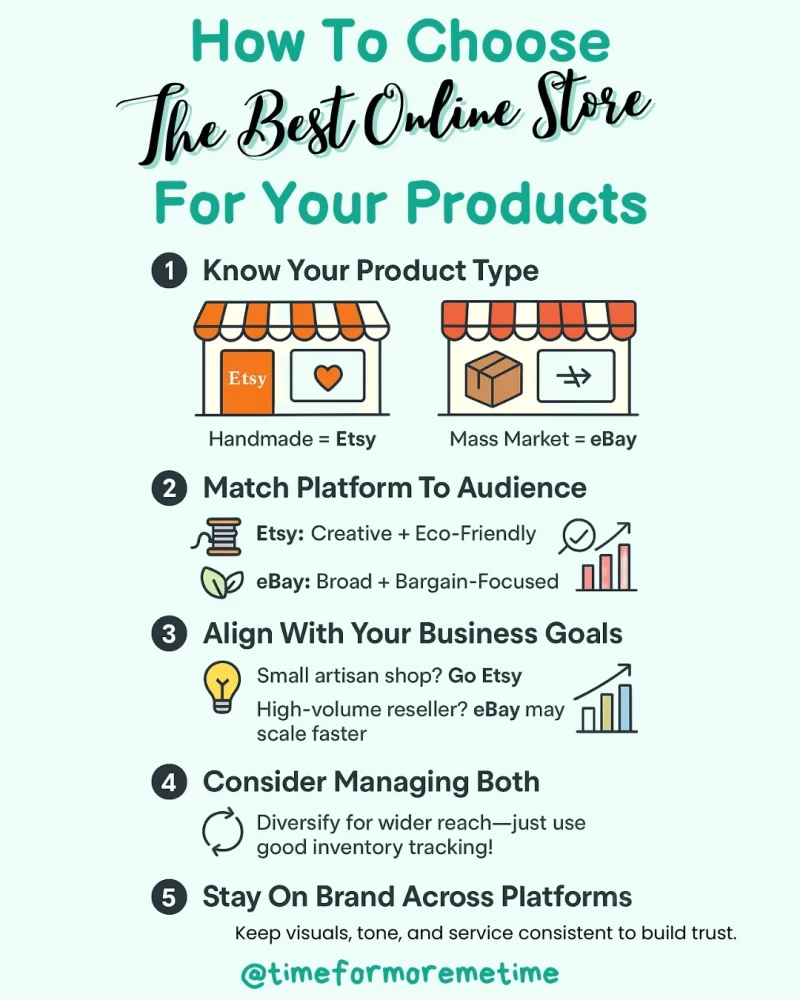
Running a shop on eBay, Etsy, or both depends on your products, goals, and resources. If you specialize in creative, handcrafted items, Etsy might feel like home. If your inventory includes collectibles, electronics, or mass-market goods, eBay could offer more opportunities.
Some sellers find the most success by diversifying across both. The key is to play to each platform’s strengths while staying true to your brand. Once you’ve made your choice, it’s time to put your strategy into action and focus on consistent growth.
Conclusion
Mastering eBay and Etsy isn’t about choosing one over the other—it’s about understanding how they work and using their unique advantages to build a sustainable business. From aligning your products with the right audience to leveraging promotion tools and new technologies, every step brings you closer to consistent sales and long-term success.
If you enjoyed this guide, subscribe to our blog, follow us on social media, and check out our YouTube channel for more tips on building your online business.
Source
- Photo: Pexels: Thirdman