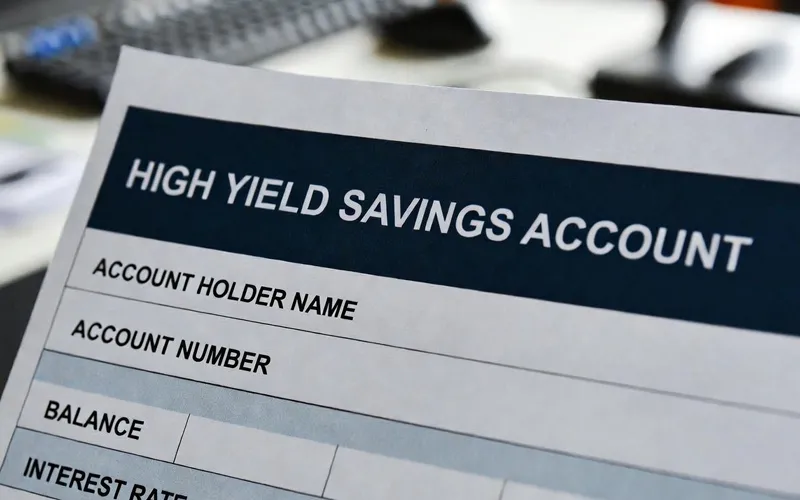



Do you feel like you’re overspending each month? You’re not alone. Embracing frugality is essential.
Being frugal means being intentional with your spending, making wise financial choices for long-term security without sacrificing joy. In a world full of temptations, living frugally is more important than ever.
This guide offers tips for smarter money choices and finding happiness beyond material possessions. Coming from humble beginnings, I’ve always prioritized smart spending. Living below your means requires understanding your priorities, setting realistic financial goals, and controlling your money.
Without further ado, let’s get started!
1. Understanding How You Spend Money

Before you create a detailed plan on how to live below your means and be frugal, you first need to understand where you stand. It’s time for a little financial self-reflection.
Start by identifying all your sources of income: your salary, any side hustle money, or perhaps any rental income coming in. After that, take a close look at your monthly expenses.
With the budget worksheet, you won’t forget about the sneaky little purchases. People say it’s an easier way to control those frequent, smaller purchases on your credit cards that often fly under the radar but add up quickly. With this, you can start with expense-cutting strategies.
2. Eliminating Excess Spending

After reviewing your spending habits, identify areas to cut costs. Scrutinize bank statements, credit card bills, and receipts to uncover hidden spending patterns. Do you really need that expensive daily coffee? Consider brewing at home.
Evaluate your subscriptions—are you using all those streaming services? It might be wise to stick to one or two. Also, think about unused gym memberships; walking, calisthenics, or jogging can be effective alternatives.
This isn’t about being cheap; it’s about being smart with your money. Cutting discretionary expenses frees up cash for savings or paying off debts.
3. Crafting Your Master Budget
Okay, now for the fun part—budgeting. In a Fidelity-sponsored online survey of 3,008 US adults, 80% believed that having a financial plan could help them manage unexpected costs, while 72% reported having a plan for their financial goals.
Doing so helps you decide how to direct your cash flow from your credit cards and savings accounts. For example, if you take home $4,000 and spend $3,700, you have only $300 left for savings, debt payments, or surprise expenses.
Moreover, you can choose from the different ways of budget planning. One way to have a good budget is to follow the 50-30-20 rule. Basically, it’s a baseline on how you can allocate your after-tax income into three main categories:
With this rule, 50% goes to your essential needs, such as your rent/mortgage, groceries, and utilities.
Then 30% goes towards your wants, such as entertainment, dining out, or travel.
Lastly, the all-important 20% gets stashed away into your savings and debt repayment.
This approach gives you a balanced way to manage your spending. It also helps you build a safety net—an emergency fund—for the future.
4. Utilizing Frugal Budget Approach
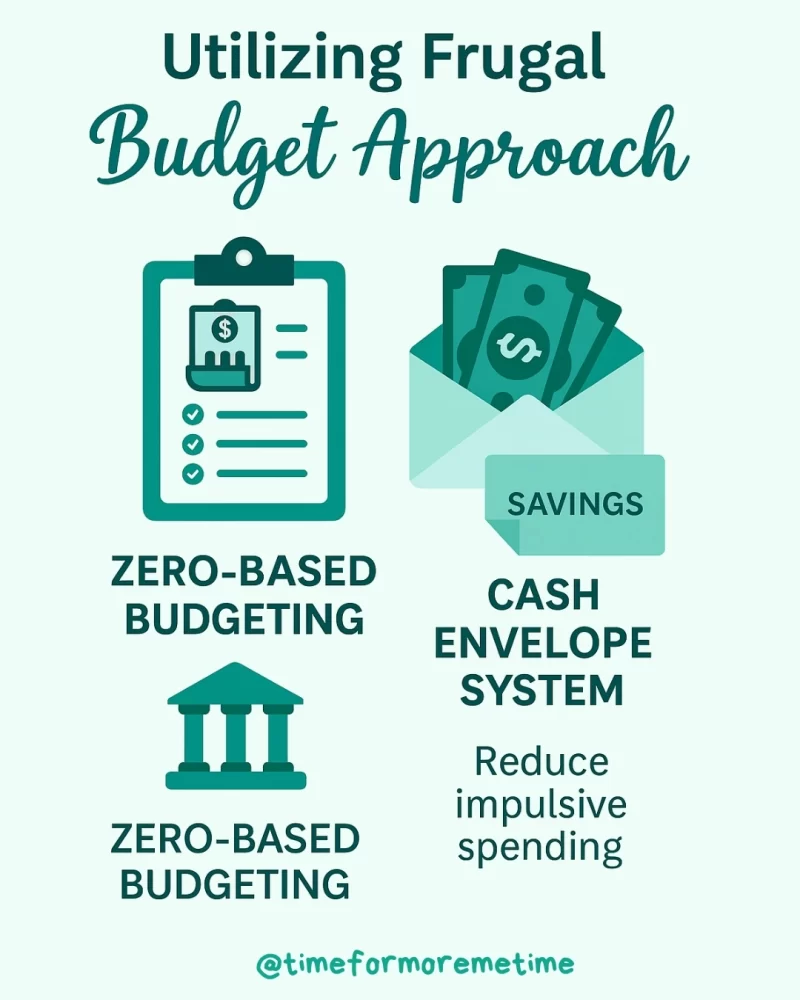
After creating your master budget, optimize it with frugal methods. One effective strategy is zero-based budgeting, where you assign every dollar a specific purpose. This increases awareness of your spending habits and reveals opportunities for savings. While some may find it restrictive, it can empower those who thrive on structure and help avoid credit card reliance.
Another practical way to control flexible expenses is the cash envelope system, which sets a visible limit for each spending category. The reasoning behind this method appears in a 2024 survey of 235 Indian digital payment users, in which about 75% said they spent more after adopting the Unified Payments Interface (UPI). Since digital payments can make spending less visible, using cash may help you see exactly how much remains.
For example, placing $400 in a grocery envelope makes it clear that spending $300 leaves only $100 for the rest of the month. Divide your cash among a few key categories and stop spending once an envelope is empty. When focused on saving, keep your savings envelope separate from your wallet or online accounts to reduce impulsive spending.
5. Cooking At Home
Cooking at home can lower food costs without forcing you to give up satisfying meals. According to a 2026 US analysis, an inexpensive restaurant meal is estimated to cost $16.28, compared with $4.23 for a meal prepared at home. That makes the home-cooked option about 74% cheaper.
For example, replacing two restaurant meals each week could save about $96 a month. Prepare a few meals in advance and use seasonal ingredients to reduce takeout while keeping your menu enjoyable.
6. Ditching Impulse Buys
Checkouts, displays, and sudden discounts can turn a small temptation into an unplanned expense that weakens your budget. That risk showed up in a 2024 survey of 2,090 US adults, where 22% said impulse purchases had significantly affected their finances during the previous year. Another 16% reported spending more on impulse buys than they contributed to retirement accounts in most months. In a group of 10 adults, that equals about two whose finances were seriously affected.
When an item catches your attention, place it on a list and wait 24 hours before buying it. The pause gives you time to check your budget, compare prices, and decide whether the item still feels necessary after the initial excitement fades.
7. Couponing For The Win

Living frugally does not mean sacrificing the things you truly need or love. Whether it’s household essentials or wardrobe upgrades, both online and physical stores offer a treasure trove of deals, sales, coupons, and discounts.
Many websites and apps provide coupons and rewards, from travel perks to credit card cashback and store loyalty programs, helping you save even on big purchases. So, let go of the idea that bargain hunting is only for extreme coupon clippers. Embrace this simple yet powerful strategy to cut costs without lowering your standards. Smart saving is just smart spending.
8. Embracing Minimalist Mindset
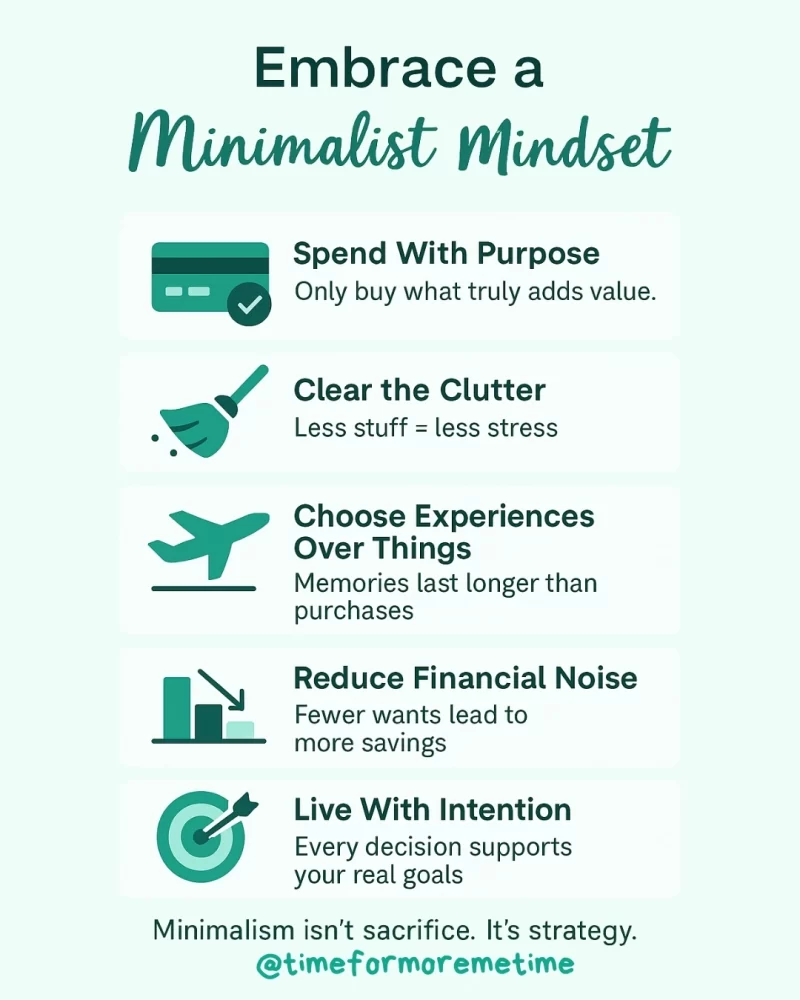
Stuff costs money. Buying less reduces spending and creates space for what truly enriches your life. A minimalist approach teaches that happiness comes from experiences and meaningful connections, not from cluttered closets.
Consider whether you really need another gadget or trendy shirt, or if that money could be better spent on something valuable, like a weekend trip or learning a new skill. Each time you forgo an unnecessary purchase, you invest in your future.
Living intentionally means asking if a purchase adds real value or just clutters your space and drains your finances. This mindset can lead to more savings and lower credit card bills, making goals like starting a side hustle or taking a dream vacation more attainable.
Living below your means isn’t about deprivation; it’s about prioritizing what truly matters to you.
9. Negotiating Bills
Many service providers, including internet and insurance companies, as well as gyms, are open to negotiation. Don’t hesitate to ask politely for better rates. Even small savings can accumulate over time.
Before renewing any annual contracts, compare prices from competitors, look for bundled packages, or inquire about introductory discounts.
The worst they can say is no, but the potential savings could reduce your monthly bills and free up cash for other priorities. A little effort can lead to significant savings each month.
10. Mastering DIY

Before paying for professional services—whether it’s repairs, beauty treatments, or home improvements—see if there’s a DIY alternative you can try. From simple home fixes to homemade beauty treatments, the world of DIY can save you money while helping you develop valuable skills.
Not only do these skills cut costs and let you create amazing things, but they also build self-sufficiency—and let’s be honest, there’s something incredibly satisfying about doing it yourself. Learning even a few DIY tricks can make your money go further.
11. Having Fun Without Spending
Social media often portrays fun as expensive, making it seem like sticking to a budget means a dull life. However, you can enjoy enriching experiences without spending much.
Consider swapping costly concerts for free outdoor events, dining out for homemade meals with friends, and designer shopping for a capsule wardrobe with fewer, high-quality pieces. By embracing these alternatives, you can create meaningful memories without overspending.
12. Taking Advantage Of Reminders

Maintaining healthy financial habits requires regular attention, so place simple visual cues where you will notice them, such as a savings goal on your phone or a note beside your wallet. This approach can keep your next financial action from slipping your mind.
In a 2025 randomized trial of 2,819 voluntary retirement savers in Colombia, personalized monthly reminders increased total yearly savings by 16%, or about 33,000 Colombian pesos, compared with the control group. The result suggests that timely prompts can help people follow through on savings plans. For example, a similar 16% increase on a $500 yearly savings goal would add $80.
13. Using Credit Cards Wisely

Did you know you can actually use credit cards to your advantage? Yup, you read that right—but it takes discipline.
Think of a credit card as interest-free money for up to 30 days. Use it for necessary expenses like gas or groceries, and if you’re living below your means, you’ll have extra cash to pay it off at the end of the month.
To maximize benefits, pay off the entire balance before it’s due. This allows you to earn rewards—points, miles, or cashback—without incurring interest. However, it’s crucial to pay the balance in full each month; otherwise, interest charges can turn credit cards from helpful to harmful.
14. Avoiding Any Form Of Debt

For those with limited financial resources, debt can be devastating. If you’re committed to living frugally, your primary goal should be to avoid all forms of debt. This includes borrowing from family and friends or running a tab at bars and cafeterias.
While it can be challenging in a capitalist economy where debt is common and often seen as convenient, accumulating debt undermines your financial goals.
However, not all debt is bad or avoidable. Choose wisely; only take on debt that is genuinely useful and won’t jeopardize your financial stability.
15. Readjusting Your Lifestyle As You Go
While the tips I’ve shared are generally effective for everyone, there will be times when you need to be either stricter or more flexible in following them.
The key is to find the right balance. Always remember that the goal is straightforward: live below your means. This doesn’t mean you should stop spending entirely or only spend what you earn. Living below your means means spending wisely enough to allow for savings while still enjoying life.
FAQs
If you still have questions or feel like I haven’t covered everything, this FAQ section might give you the answers you need!
Is living below your means worth it?
Absolutely! Living below your means provides financial stability, reduces stress, increases flexibility, and gives you greater control over your future. It sets you up for financial freedom and long-term prosperity—making it one of the smartest financial decisions you can make.
Over time, these benefits really add up.
How to stop living above your means?
Start by getting brutally honest about where your money is going. Create a budget, cut unnecessary spending, and focus on financial priorities. Learn to find contentment in simpler, non-material things, and always keep your long-term goals in mind.
The key is shifting your mindset from instant gratification to sustainable financial health.
Can I still enjoy life while living below my means?
Definitely! Frugality isn’t about deprivation—it’s about making intentional choices. You can still have fun, travel, and enjoy great experiences by finding creative, budget-friendly alternatives.
Many of life’s best moments don’t come from spending money but from meaningful experiences and strong connections.
Conclusion
Learning to live below your means may seem overwhelming, but you can start today with simple, actionable steps. Taking control of your finances leads to greater stability and freedom, allowing you to break the paycheck-to-paycheck cycle and reduce reliance on credit cards.
For more financial and productivity tips, subscribe to our website, follow us on social media, and check out our YouTube channel. See you there!
Sources
- Photos: Unsplash: Alicia Christin Gerald
- arXiv. (2024). From cash to cashless: UPI’s impact on spending behavior among Indian users and prototyping financially responsible interfaces. https://arxiv.org/abs/2401.09937
- Fidelity. (2025). What is cash stuffing? https://www.fidelity.com/learning-center/smart-money/cash-stuffing-envelope-budget
- Fidelity Investments. (2024). Fidelity’s 16th annual resolutions study: Americans gearing up for unexpected financial events in 2025. https://newsroom.fidelity.com/pressreleases/fidelity-s-16th-annual-resolutions-study–americans-gearing-up-for-unexpected-financial-events-in-20/s/5613c543-fa52-4539-a690-a9d833773754
- Top Nutrition Coaching. (2026). The cost of eating out versus eating in by state. https://www.topnutritioncoaching.com/blog/cost-of-eating-out-vs-eating-in
- NerdWallet. (2024). Survey: Impulse buys may be ruining some Americans’ finances. https://www.nerdwallet.com/finance/studies/survey-impulse-buys-may-be-ruining-some-americans-finances
- American Express. (2024). How to stop impulse buying. https://www.americanexpress.com/en-us/credit-cards/credit-intel/how-to-stop-impulse-buying/
- Rationality and Competition. (2025). Personalized reminders: Evidence from a field experiment with voluntary retirement savings in Colombia. https://rationality-and-competition.de/wp-content/uploads/discussion_paper/528.pdf