

Tracking your daily spending may seem minor, but it greatly affects your financial health. Many people feel in control until they realize they’ve overspent without noticing. If this resonates with you, you’re not alone.
Here are simple and practical ways to track your daily expenses, helping you take charge of your budget, make informed decisions, and avoid overspending. Let’s get started!
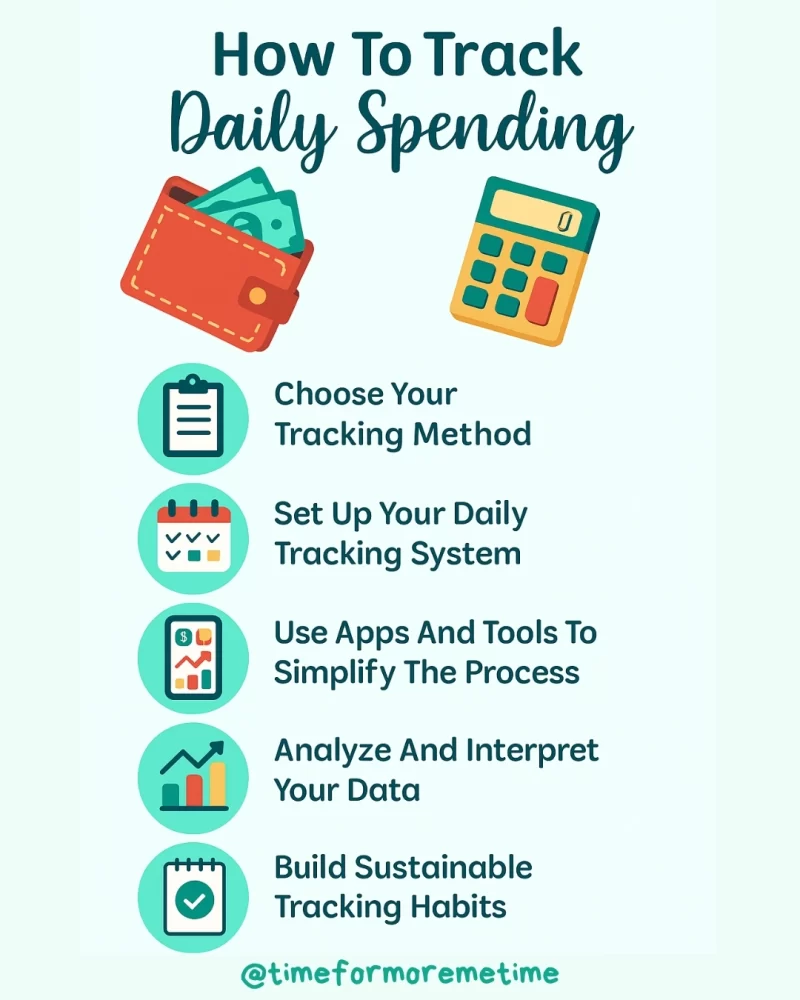
1. Choose Your Tracking Method
When it comes to tracking your daily spending, the most effective method is one that suits your routine and keeps you consistent. Some people prefer writing down their expenses in a notebook or using a simple spreadsheet. This manual method works well for those practicing frugal living—it’s straightforward, low-cost, and gives you full control over every detail.
Others find success using category-based tracking, where expenses are separated into groups such as food, transportation, or entertainment. This makes it easier to spot which areas need adjustment.
You can also try the envelope or cash-stuffing method. This is most suitable for individuals who prefer to work with physical cash and want a more visual way to manage their limits.
Whichever method you choose, the goal is the same: stay aware of your spending so you can make better decisions and avoid small costs from piling up.
2. Set Up Your Daily Tracking System

Once you’ve chosen a method, it’s time to put your tracking system into action. Start by recording every expense as soon as it occurs—no matter how small. Whether it’s a coffee, a bus fare, or a quick online purchase, each transaction counts. This habit builds awareness and helps prevent overspending.
Create clear categories for your expenses, such as food, transportation, personal items, and entertainment. This makes it easier to review your spending later and see where adjustments are needed. You can also assign limits to each category based on your daily budget to stay within your means.
If you’re trying to cut expenses, tracking regularly will help you identify where small leaks occur. Over time, these insights will help you shift your money toward more essential needs or savings goals. The key is consistency—track daily, review often, and adjust as needed.
3. Use Apps And Tools To Simplify the Process
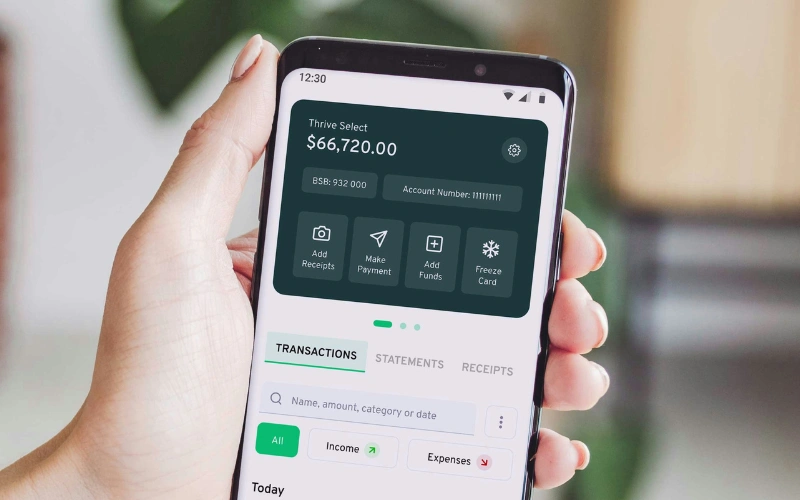
Tracking your spending manually can be effective, but using apps and tools can make it much easier—and faster. Budgeting apps let you log expenses, categorize transactions, and set spending limits in real time. Many of these apps sync with your bank accounts, so your purchases are automatically recorded and organized.
These tools also offer features such as alerts when you’re close to your budget limit, spending summaries, and visual breakdowns of where your money is going. If you’re looking to stay consistent without the hassle of manual tracking, these options can save time and reduce stress.
Using budgeting tools not only keeps you organized, it also gives you a clear picture of your financial habits. That insight makes it easier to stick to your plan and make smarter choices every day.
4. Analyze And Interpret Your Data
Tracking your spending is only useful if you regularly review and act on the information. Set aside time each week to review your expense categories and identify any trends.
Are you spending more than expected on takeout or subscriptions? Are there areas where you consistently stay under budget?
Use this insight to adjust your daily limits or reallocate funds to more important categories. If you find you’re consistently underspending in one area, consider setting up a savings trigger—for example, automatically transferring the extra amount to a savings account whenever you stay below your limit.
Analyzing your data helps you make smarter decisions and gives your budget room to improve over time. It keeps you aware, in control, and ready to move your money toward more meaningful goals.
5. Build Sustainable Tracking Habits

Building a reliable system for tracking daily spending starts with consistency. Choose a fixed time each day, such as after dinner or before bed, to log your expenses. Making it part of your routine helps you stay accountable and reduces the chances of missed entries.
Whether you’re using a notebook or an app, the goal is to make tracking feel effortless and automatic. As you develop the habit, you’ll start to see how your daily choices impact your long-term financial goals. This clarity can help you decide when to shift money toward savings, debt repayment, or even beginner-level investment strategies.
Tracking gives you the foundation you need to prioritize what matters and gradually improve your financial habits—one day at a time.
Conclusion
Tracking your daily spending is a small habit that leads to bigger financial control. With the right method and a bit of consistency, you’ll gain clearer insight into your habits, spot where your money goes, and make smarter choices each day.
You learned something here? If so, subscribe to our blog, follow us on social media, and check out our YouTube channel for more simple, practical guides on building strong financial habits.
Source
- Photo: Unsplash: Dan Burton