
Many people dream of having a flexible schedule, but often feel it’s impossible due to their current responsibilities. I understand—because I’ve been there too. But here’s how I found a way to shape my days so I could take care of my priorities, spend more time with loved ones, and still meet my work goals. Let’s get started!
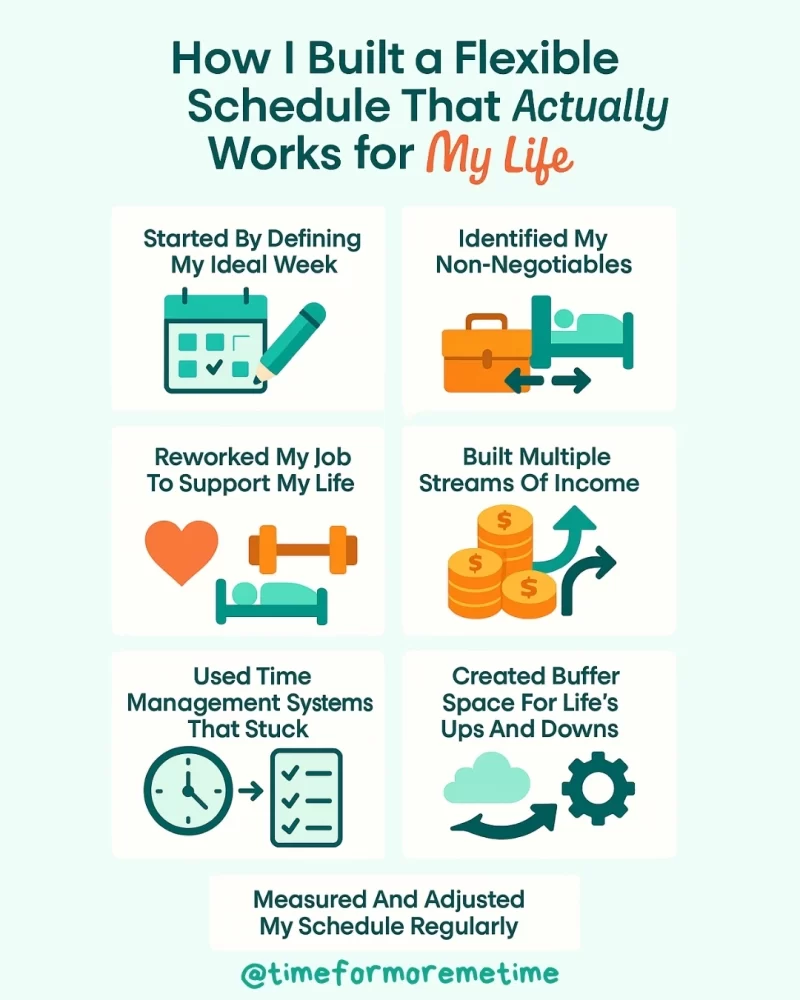
1. Started By Defining My Ideal Week
I started by imagining what my perfect week would look like—not just in terms of work, but life as a whole. I pictured mornings without rushing, time to train for Tough Mudder or MMA, and quiet moments with my family. I wanted space for my blog and other projects that mattered to me, plus enough flexibility to travel.
Growing up in a household where time and money were always scarce, I promised myself I’d work toward having both. Writing this down gave me a clear picture of what needed to change and became my roadmap for building flexibility.
2. Identified My Non-Negotiables
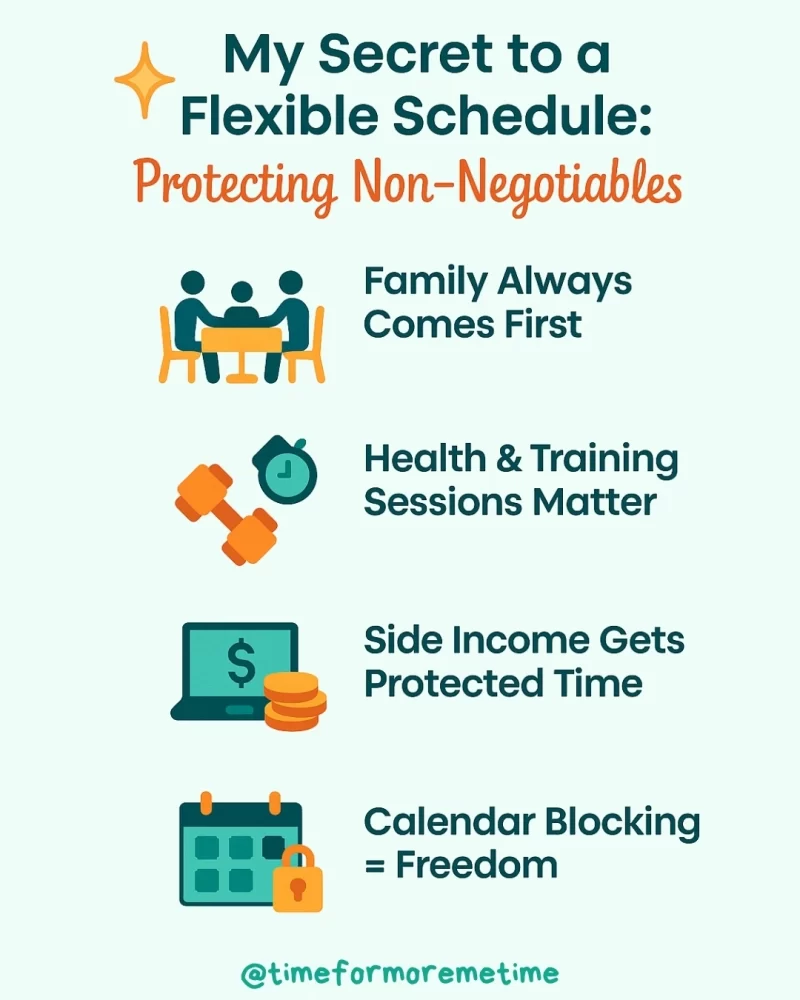
Once I had my ideal week outlined, I decided what was non-negotiable—those parts of my life that would always come first. Family dinners, training sessions, and time to work on side income streams all made the list.
I treated these commitments like important meetings, blocking them in my calendar before adding work tasks. This was a huge mindset shift from my earlier years when I fit life around work. Instead, I started fitting work around life. Protecting these priorities reminded me why I was working so hard in the first place—so I could enjoy the time I have now.
3. Reworked My Job To Support My Life
To align my schedule with my priorities, I had to rethink my work approach. I explored remote and hybrid arrangements, negotiated more flexible hours, and adopted tools that enhanced my efficiency.
As a medical dosimetrist in a demanding field, this wasn’t easy, but I focused on results rather than clocking in hours. I streamlined tasks, communicated clearly with my team, and eliminated unnecessary meetings. This shift allowed me to keep delivering at work while freeing up time for my personal goals.
It was the moment I realized I could have a thriving career without sacrificing the life I wanted.
4. Built Multiple Streams Of Income
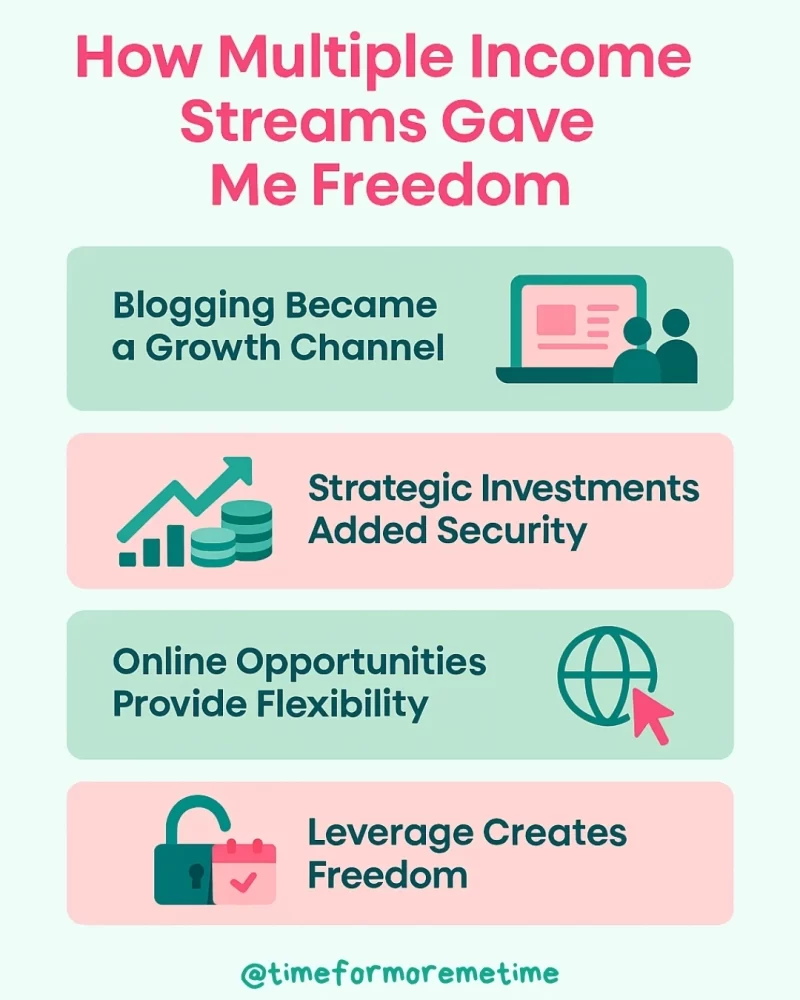
I knew that relying on a single paycheck kept me tied to a rigid schedule. To gain more freedom, I started laying the groundwork for multiple streams of income. My blog became one avenue—not yet monetized, but steadily growing a loyal audience, including over a million monthly Pinterest views.
I also invested strategically and explored online opportunities that could eventually run without constant oversight. Even though some streams are still in progress, building them has given me leverage. I now have the freedom to shape my work around my life, knowing I’m creating options for the future.
5. Used Time Management Systems That Stuck
I’d tried countless productivity methods before, but most didn’t stick because they didn’t fit my lifestyle. Eventually, I found a system that worked: time blocking and batching tasks. I grouped similar work together to reduce switching between projects, which saved hours every week.
I also set boundaries for my availability and used reminders to stay on track. By focusing on my highest-impact tasks first, I ensured progress on what mattered most. These habits weren’t just about getting more done—they created space in my day for training, travel, and time with family without feeling like I was falling behind.
6. Created Buffer Space For Life’s Ups And Downs
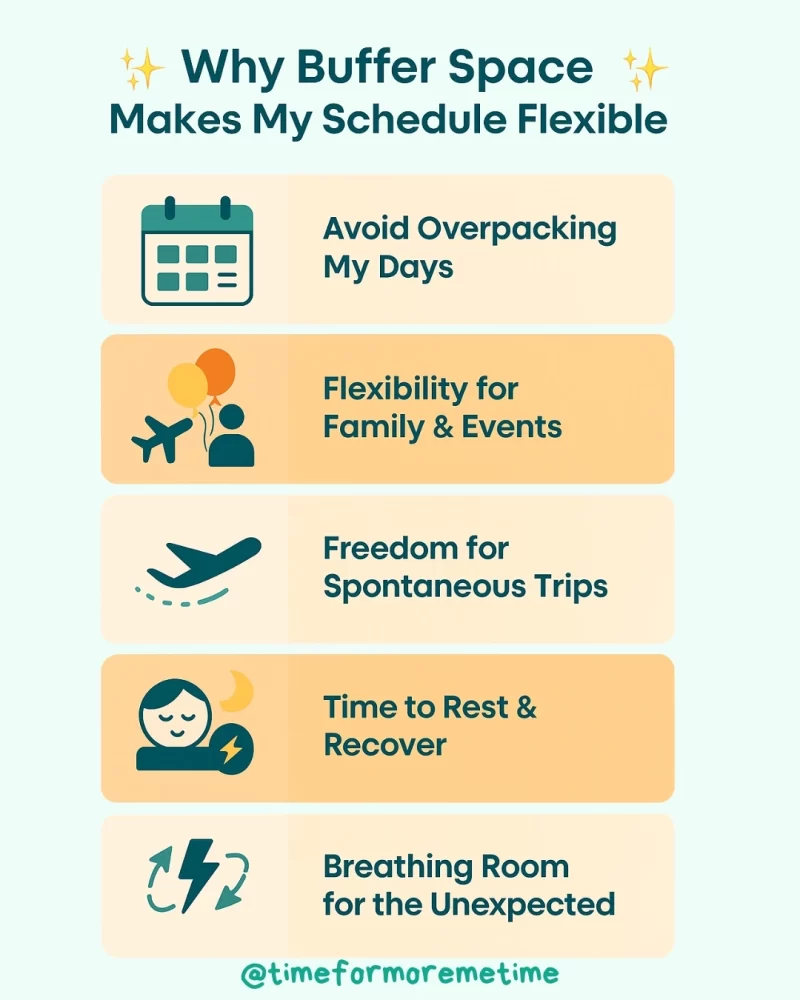
Life doesn’t always go as planned, and I’ve faced my share of unexpected moments—from personal losses to last-minute opportunities. To handle these without stress, I started building buffer space into my schedule.
I avoided packing my days too tightly, leaving pockets of time that could absorb changes. This gave me room to attend family events, take spontaneous trips, or simply rest when I needed it.
Growing up, every hour and dollar felt stretched to the limit; now, I’ve learned that leaving space is just as important as filling it. That breathing room makes my schedule truly flexible and sustainable.
7. Measured And Adjusted My Schedule Regularly
A flexible schedule isn’t something you set once and forget—it needs regular check-ins. Every week, I review my calendar to see if I’m spending time where it matters most.
If family dinners get squeezed out or my workouts keep slipping, I make adjustments. Sometimes that means moving tasks, delegating, or saying no to new commitments. Other times, it’s about adding in more of what energizes me. Treating my schedule like a living plan keeps it aligned with my goals, so I’m not just busy—I’m building the life I actually want.
Conclusion
Building a flexible schedule that works for your life starts with small, intentional changes and a commitment to protecting your priorities. When you design your days around what matters most, you create space for both success and fulfillment.
Want more ideas to start shaping your own schedule? Subscribe to the blog, follow me on social media, and check out our YouTube channel for more ways to create more “Me Time” without sacrificing stability.
Sources
- Photo: Unsplash: Marissa Grootes