


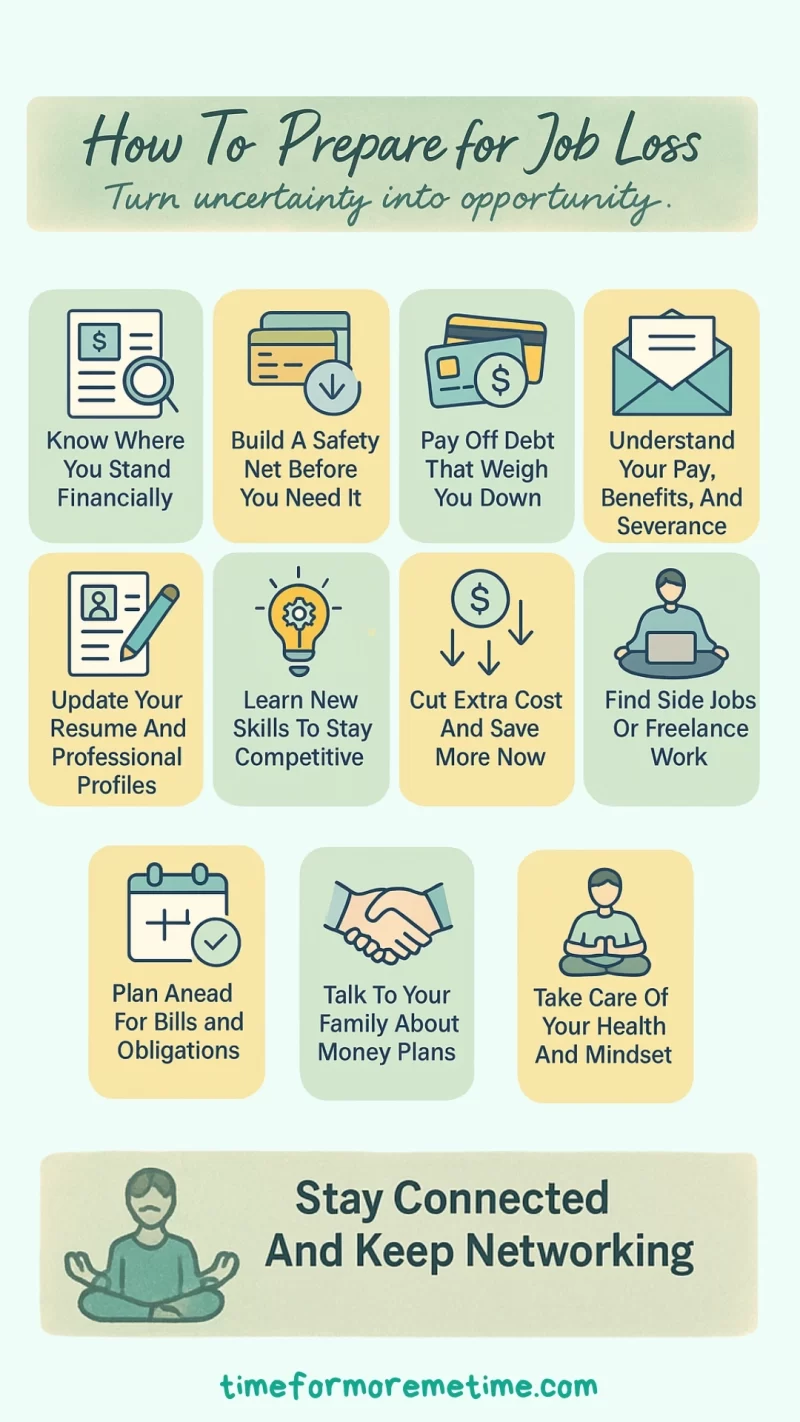
Losing a job is never easy, but being caught off guard makes it even harder. Many people wait until it happens to start thinking about savings, bills, or backup plans—but a little preparation today can save you from panic later. Learning how to prepare for job loss gives you control, confidence, and peace of mind, even when life feels uncertain. Here’s how to stay ready and protect your future. Let’s get started!
1. Know Where You Stand Financially
Before anything else, take an honest look at your finances. List your income, monthly bills, and savings to see how long you could manage if your paycheck stopped tomorrow.
Understanding your current situation enables you to make smarter choices, rather than reacting out of fear. Identify which expenses are essential and which you can reduce. Once you know exactly where your money goes, you’ll feel more in control and better prepared to handle unexpected changes in your job situation.
2. Build A Safety Net Before You Need It
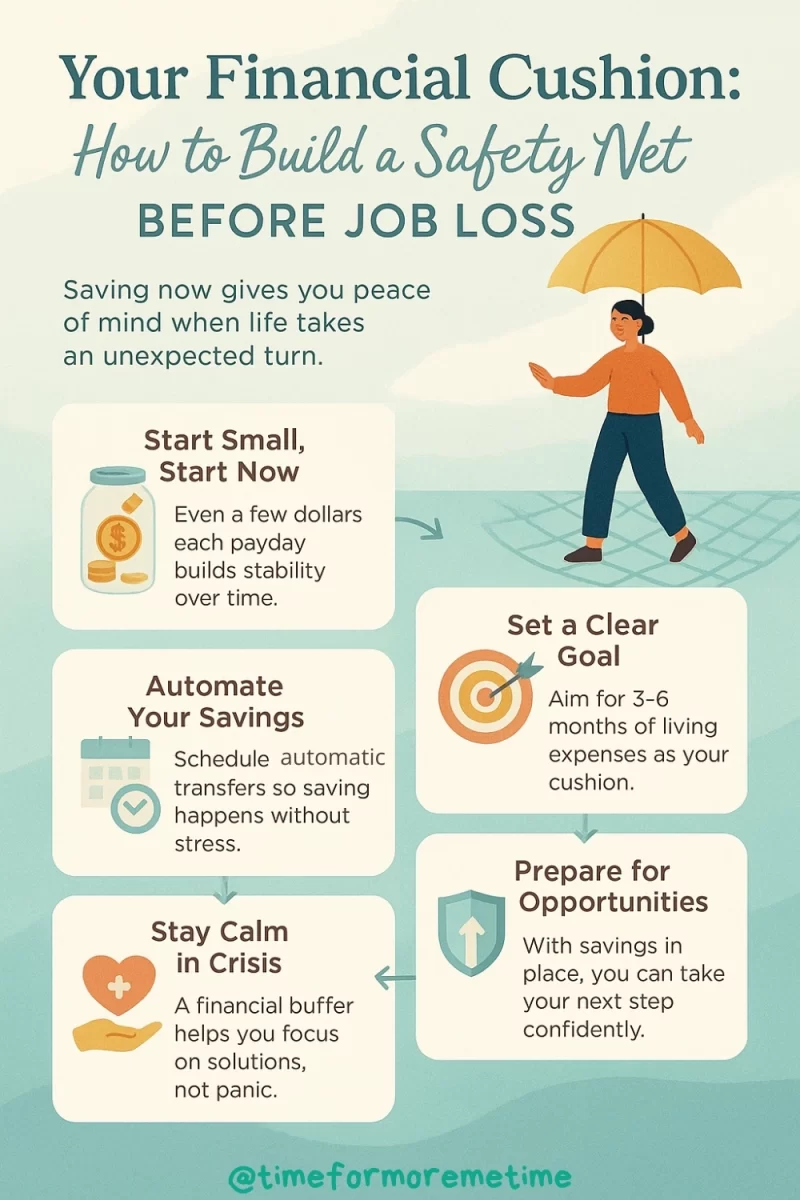
An emergency fund is your best defense against job loss. Start setting aside a small amount from every paycheck—even if it’s just a few dollars. Over time, this adds up, providing a cushion when income slows or stops.
Experts recommend saving at least three to six months of expenses, but the key is to start now, not later. Having money to fall back on prevents panic and helps you focus on finding your next opportunity.
3. Pay Off Debts That Weigh You Down
Debt can quickly turn a job loss into a financial crisis. Focus on paying down high-interest loans first, such as credit cards or personal loans. The less you owe, the more flexibility you’ll have if your income changes.
If paying everything off isn’t possible right now, try to make extra payments where you can or refinance to lower interest rates. Reducing debt early gives you peace of mind and keeps your budget manageable if tough times come.
4. Understand Your Pay, Benefits, And Severance
Before any changes happen at work, take time to understand what you’re entitled to. Review your contract, company policies, and benefits, such as unused vacation pay, health coverage, or retirement contributions.
If your company offers severance pay, find out how it’s calculated and when it’s paid. Knowing this ahead of time helps you plan for bills, insurance, and other expenses during the transition. The more informed you are, the easier it is to make confident financial decisions.
5. Update Your Resume And Professional Profiles
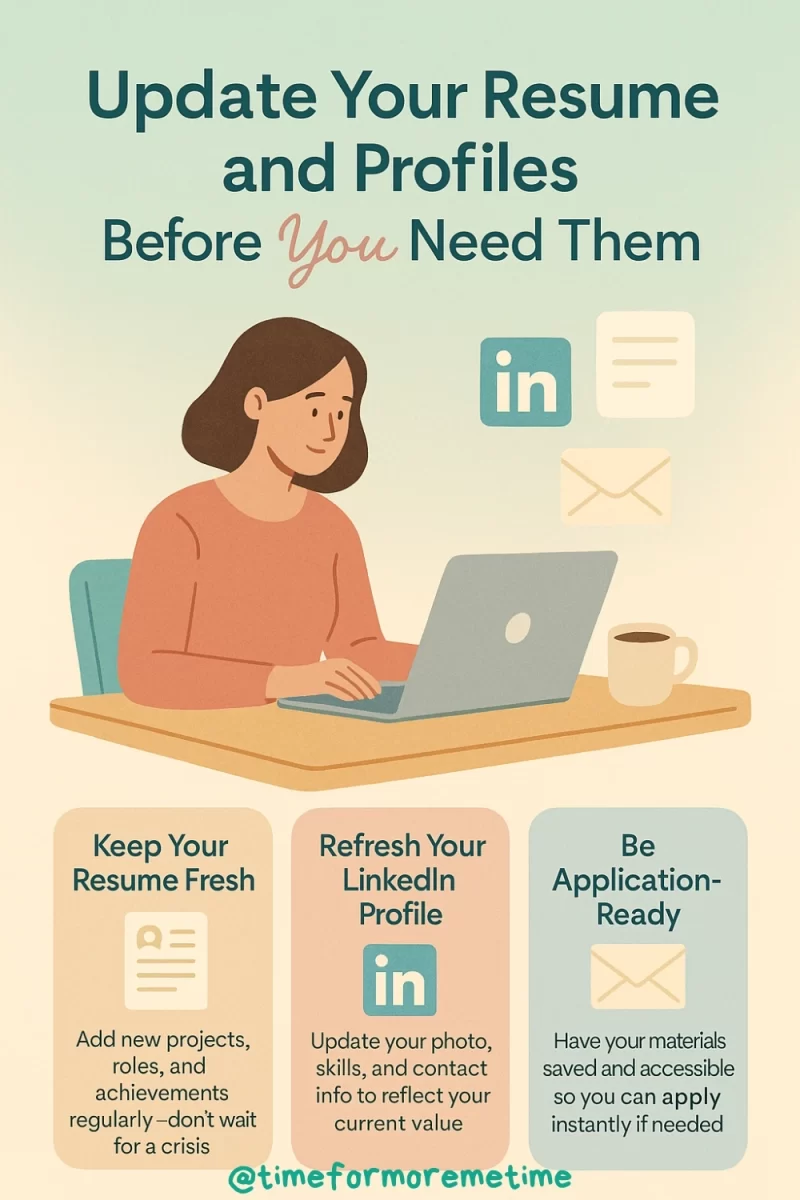
You don’t have to wait until you lose your job to update your resume. Keep it current with your latest skills, projects, and accomplishments. Refresh your LinkedIn profile and make sure your contact details are up to date.
Having your materials ready makes it easier to apply quickly when new opportunities arise. This small step can save valuable time later—and help you stay one step ahead of sudden changes in your career.
6. Learn New Skills To Stay Competitive

The job market changes rapidly, making continuous learning your best advantage. Take free or low-cost online courses to build skills that employers value, like digital tools, communication, or project management.
You can also attend webinars or join professional groups in your field. Expanding your skill set not only boosts your confidence but also makes you more adaptable. Investing in yourself today increases your chances of finding a better opportunity tomorrow.
7. Cut Extra Costs And Save More Now
Even if your job feels secure today, it’s wise to plan as if things could change. Start by trimming unnecessary expenses before job loss happens. Review your monthly spending and consider cutting back on nonessentials, such as streaming services, eating out, or impulse buys.
Redirect your savings into your emergency fund or debt payments. These small steps strengthen your safety net, giving you peace of mind and ensuring you’re financially prepared in case job loss becomes a reality.
8. Find Side Jobs Or Freelance Work
A backup source of income can help you stay financially stable during uncertain times. Look for part-time work, freelancing, or small gigs that fit your schedule and skills.
You could offer tutoring, write online, sell handmade items, or provide a local service. The goal isn’t to overwork—it’s to build flexibility and extra savings. Side income gives you breathing room and confidence, knowing you have more than one way to support yourself and your family.
9. Talk To Your Family About Money Plans
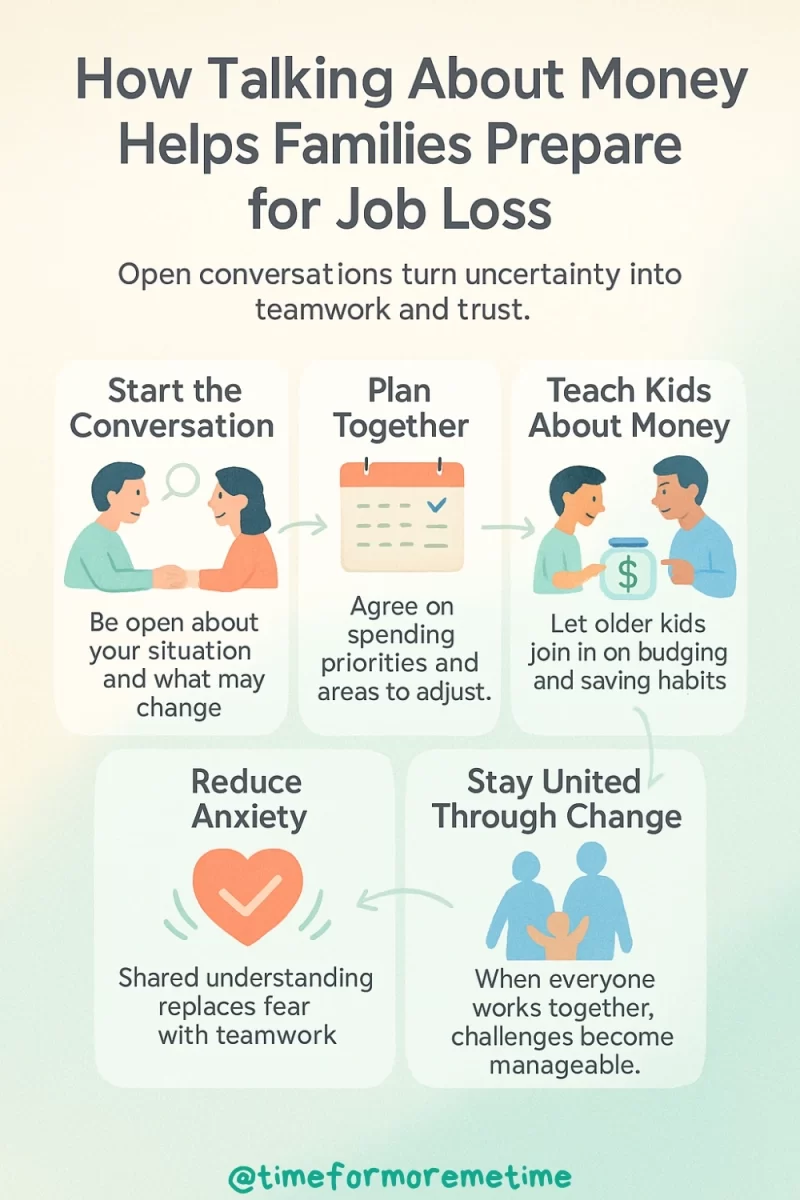
Job loss can impact everyone at home, so open communication is key. Sit down with your family and discuss how you can work together if income changes.
Encourage older kids to understand budgeting and take part in simple cost-saving efforts. This teamwork helps reduce anxiety and builds mutual support during tough times. When your family plans and stays united, you’ll handle job loss with far less stress and much more confidence.
10. Plan For Bills And Obligations
When facing uncertainty, knowing which bills must be paid first can reduce stress. List your essential expenses—like housing, utilities, insurance, and food—and prioritize them in your budget.
If a payment might become difficult after job loss, contact your providers early to discuss flexible options. Many lenders offer hardship programs if you communicate before falling behind. Planning gives you time to adjust without hurting your credit or losing important services.
11. Take Care Of Your Health And Mindset

Job insecurity can take a toll not only on your wallet but also on your mental health. Exercise, rest, and balanced meals can help you stay physically and emotionally strong.
Try mindfulness or journaling to manage anxiety and avoid burnout. Staying calm allows you to think clearly and make better decisions about your next steps. Remember, job loss is a setback—but it doesn’t define your worth or your potential to bounce back stronger.
12. Stay Connected And Keep Networking
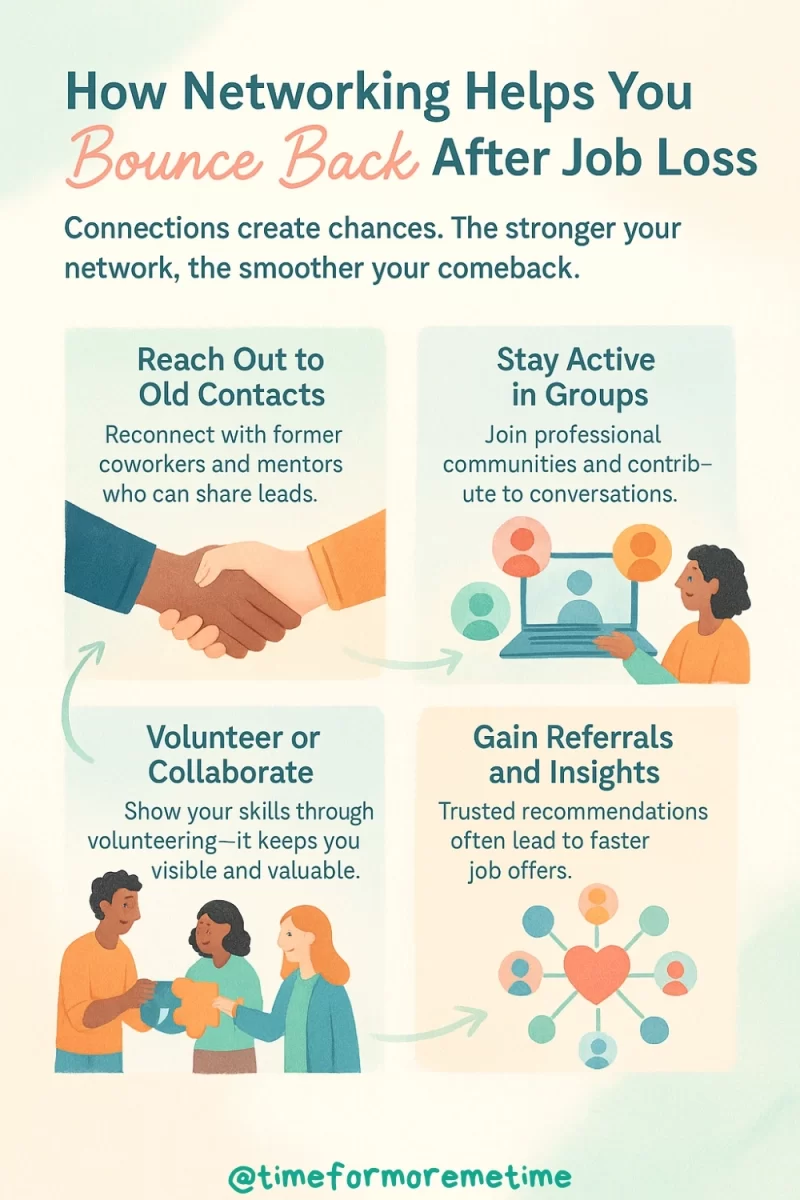
Strong connections often open doors to new opportunities. Keep in touch with former coworkers, mentors, and friends who can recommend you or share job leads.
You can also attend local events, join online professional groups, or volunteer to stay visible in your field. Networking builds support and boosts your confidence. When job loss happens unexpectedly, having a solid network can shorten the time between your last paycheck and your next opportunity.
Conclusion
Preparing for job loss isn’t about expecting the worst—it’s about building stability and peace of mind. By saving, paying down debt, and staying connected, you create a foundation that helps you recover faster if change comes. Each small step adds up to long-term confidence and control over your future.
Want more practical money and career tips? Subscribe to our blog, follow us on social media, and visit our YouTube channel for more helpful guides.