


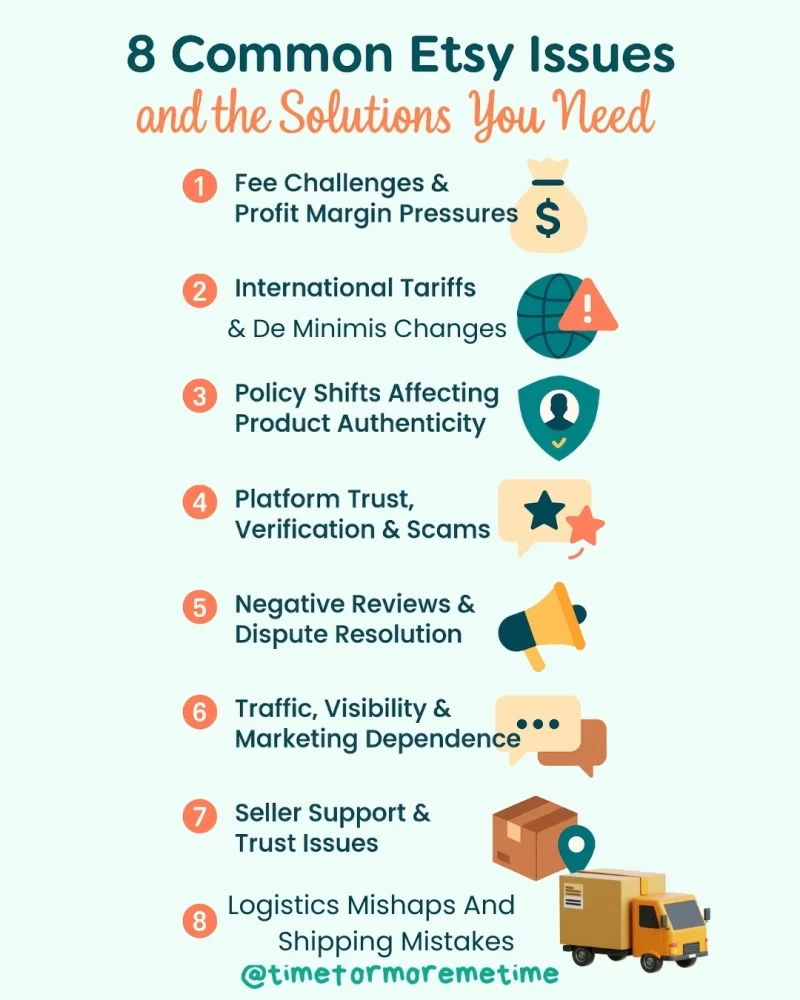
Selling on Etsy can be exciting and rewarding, but it also comes with its fair share of problems. The good news? Most of these problems have simple, workable solutions. In this post, we’ll go over the most common issues Etsy sellers face—and show you exactly how to fix them so you can keep your business running smoothly. Let’s get started!
1. Fee Challenges And Profit Margin Pressures
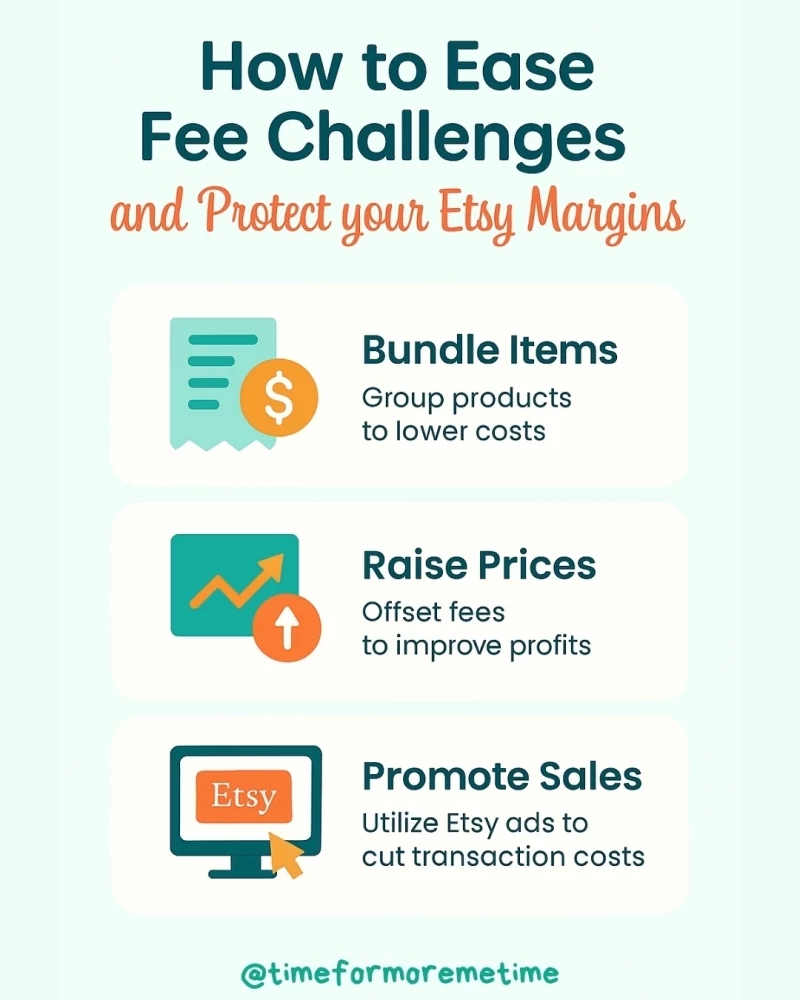
Many Etsy sellers struggle with high fees that eat into their profits. Between listing fees, transaction charges, payment processing, and mandatory ad fees, the costs can add up fast. This makes it harder to price products competitively while still earning enough.
To ease the pressure, sellers can bundle items, raise prices slightly, or promote sales on Etsy to reduce fee exposure. It’s also smart to review your shop’s profit margins regularly and track all expenses. Small changes can help you protect your income and keep your shop running strong.
2. International Tariffs And De Minimis Changes
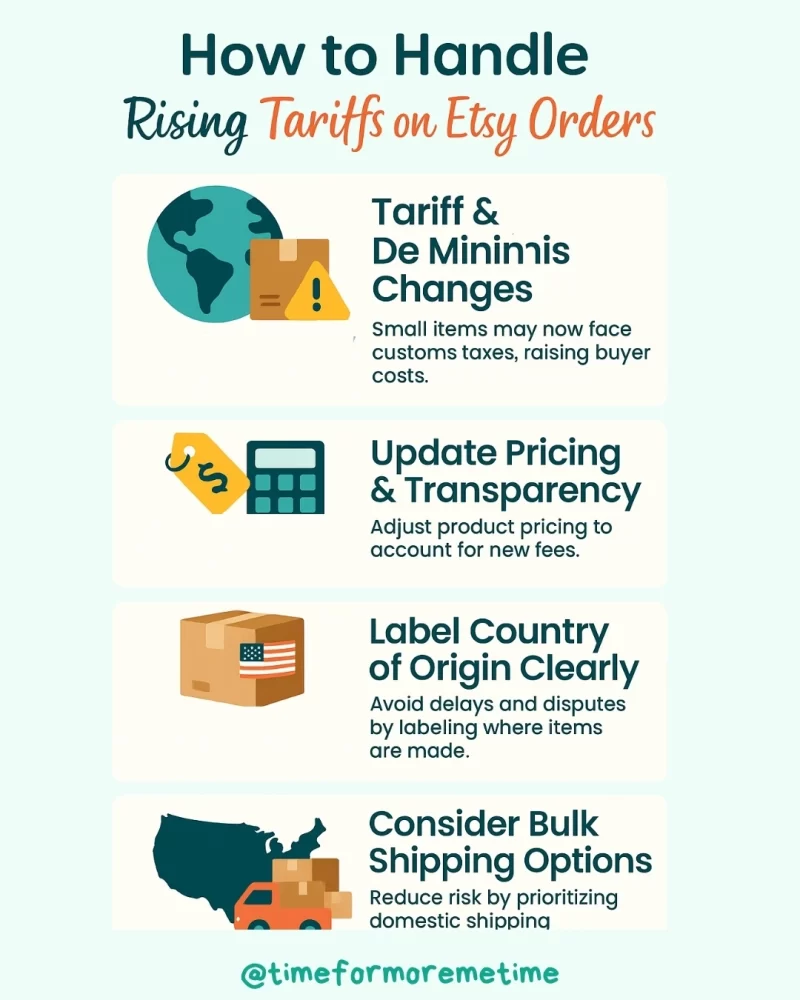
Etsy sellers who ship internationally may soon face higher costs due to changes in tariff rules. The U.S. is ending the “de minimis” rule, which allowed low-cost imports to enter duty-free. This means many items under $800 may now be taxed, affecting both sellers and buyers.
To avoid surprises, sellers should update product pricing, clearly label countries of origin, and stay informed about customs rules. Focusing more on domestic markets or bulk shipping options can also help reduce the impact of these new international shipping costs.
3. Policy Shifts Affecting Product Authenticity
Etsy has updated its policies to tighten rules around what qualifies as handmade or original. Products like 3D-printed items now face stricter guidelines—sellers must prove they designed the item themselves.
If not, listings may be removed or shops flagged. This change aims to protect buyers and support genuine creators, but it can catch some sellers off guard.
To stay compliant, review Etsy’s handmade policy, add clear design details to listings, and avoid reselling generic items. Keeping your shop transparent helps build trust and reduces the risk of getting penalized.
4. Platform Trust, Verification, And Scams
Building trust on the platform goes beyond product authenticity—it also includes how sellers manage their accounts and security. Etsy has introduced stricter identity checks to increase buyer confidence, but these changes have confused many shop owners.
Sellers must now verify their identity by uploading official documents, while scams posing as Etsy support have become more common.
To protect yourself, always complete verification directly through your Etsy dashboard and ignore suspicious emails or QR codes. Staying cautious helps you secure your account and keep your shop running without disruptions.
5. Negative Reviews And Dispute Resolution
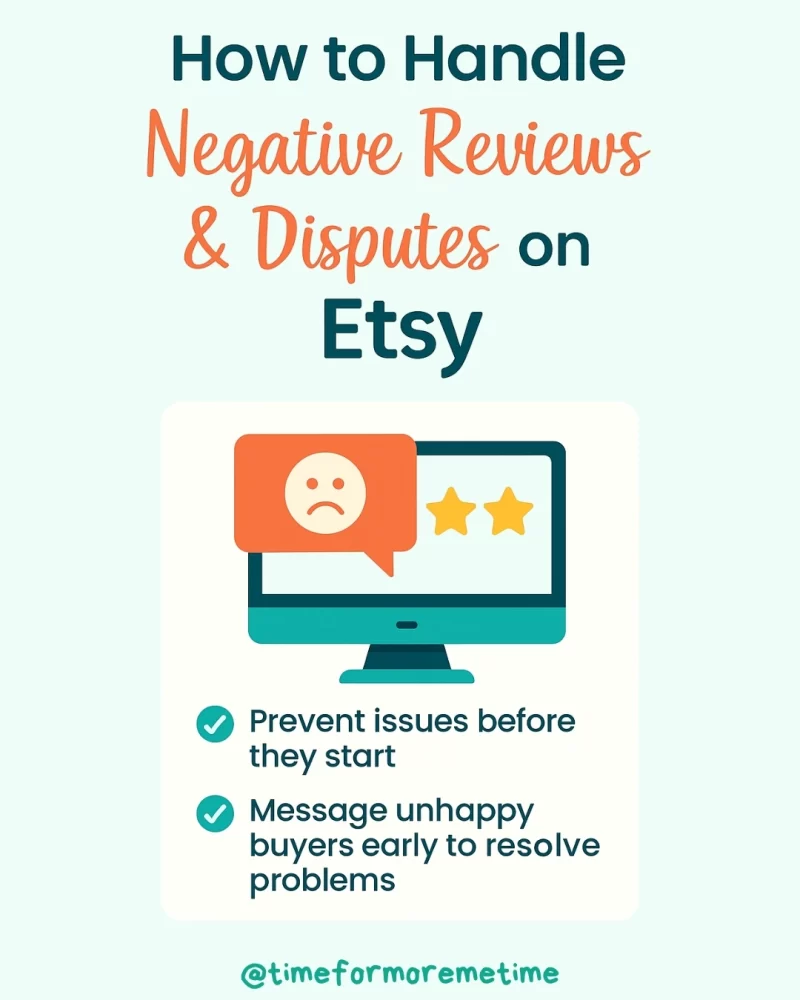
Even with strong products and honest service, negative reviews can still happen—and they can hurt your shop’s reputation fast. Unlike other platforms, Etsy doesn’t allow sellers to remove unfair reviews, which means one bad rating can impact buyer trust.
The key is to prevent issues before they start. Use clear item descriptions, fast shipping, and responsive communication.
If a problem does come up, message the buyer directly to resolve it before they escalate. Having a calm, solution-focused approach often helps turn unhappy customers into loyal ones.
6. Traffic, Visibility, And Marketing Dependence
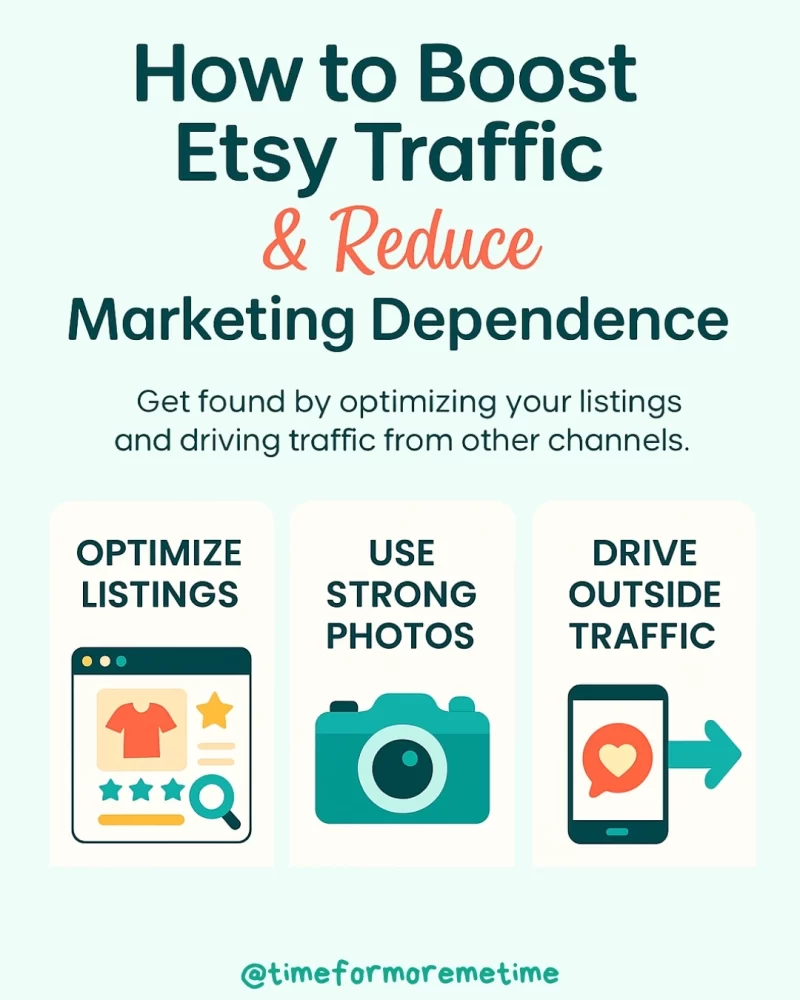
A good review helps boost traffic—but what happens when traffic starts to drop? Many sellers rely too much on Etsy’s internal search and ads, but competition is growing, and buyer activity has slowed. With over 90 million products listed, it’s easy to get lost in the crowd.
To improve visibility, sellers need to optimize listings with keywords, use strong photos, and explore outside traffic sources like Pinterest, Instagram, or email lists. Building traffic beyond Etsy gives you more control over your success.
7. Seller Support And Trust Issues
Driving your own traffic is empowering, but it’s frustrating when you hit roadblocks and can’t get the help you need. Many sellers report low confidence in Etsy’s support system, especially when it comes to sudden shop suspensions or payment holds. Some also feel that Etsy favors buyers in disputes, even when the seller follows all policies.
To protect your business, keep thorough records, take screenshots of conversations, and stay professional in all communication. Having a backup platform or payment solution is also a smart safety net.
8. Logistics Mishaps And Shipping Mistakes
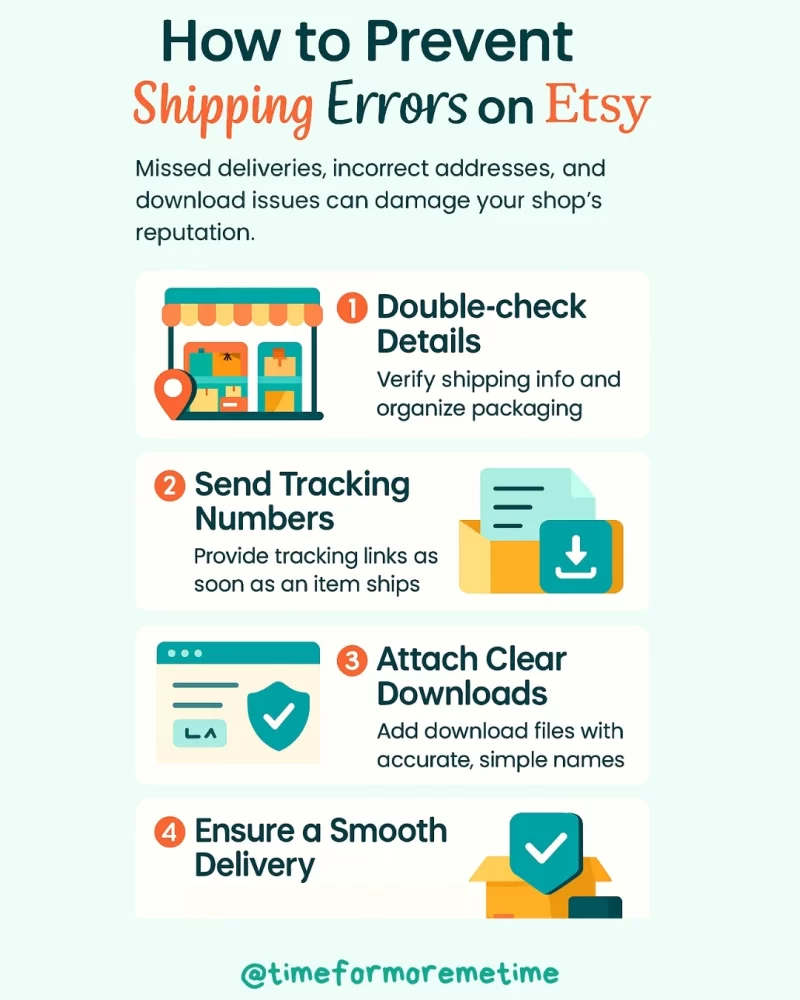
Lack of platform support becomes even more stressful when shipping problems come into play. Missed deliveries, incorrect addresses, and digital download issues are common—especially during busy seasons. These small errors can lead to negative reviews or refund requests if not handled quickly.
To prevent this, double-check shipping details, keep packaging organized, and send tracking numbers promptly. For digital items, make sure download files are properly attached and clearly named. A smooth delivery experience builds buyer trust and reduces stress on your end.
Conclusion
Running an Etsy shop comes with challenges, but each issue has a solution that can keep your business on track. From policy changes and rising fees to shipping errors and scam alerts, knowing what to expect—and how to respond—makes a big difference.
Stay informed, stay proactive, and don’t let common roadblocks stop your progress. If this post helped you feel more prepared, consider subscribing to our blog, following us on YouTube, and sharing it with other Etsy sellers who might need it too.
Source
- Photo: Pexels: Miriam Alonso