
A strong morning routine can help you start the day with focus and control. It also helps protect your attention before outside demands take over. In two workplace studies, employees recorded their morning habits, energy, calmness, and engagement three times a day for three weeks. When their usual routines were disrupted, they felt more mentally tired and less calm, which was linked to lower engagement and less progress later in the day.
In this post, you’ll learn how famous and highly successful people structure their mornings so you can build a routine that supports your own goals and definition of success. Want to learn all of them? Let’s get started!
1. Wake Up Early Like Richard Branson

Waking up early can give you quiet time before work, messages, and other demands begin. Virgin Group founder Richard Branson usually starts his day around 5 a.m. He uses the early hours to exercise and spend time with his family before focusing on business.
Early mornings may also help some people avoid procrastination. A 2025 study of 774 college students found that people with a stronger preference for mornings reported less academic procrastination. The study showed a link, but it did not prove that waking up early makes people more productive.
Use your most focused hours for your most important tasks. You might exercise, drink water, enjoy coffee or tea, or plan your day while the rest of the household is still asleep. This quiet time can help you feel calm and ready for the day.
You do not need to wake up at 5 a.m. to benefit from an earlier start. If you struggle to get out of bed, move your wake-up time back by 15 minutes and adjust again after your body gets used to it.
Getting enough sleep matters more than waking up early. A 2025 study of 72,269 UK adults found that people with irregular sleep schedules had a 26% higher risk of major cardiovascular events, including heart attacks and strokes, than people with regular sleep patterns.
Sleep may also affect your gut health. In a small 2023 experiment, three nights of only two hours of sleep reduced gut bacteria variety by 21% in 19 healthy men, compared with nights that allowed seven to nine hours of sleep.
Try to go to bed and wake up at about the same time each day. Most adults need at least seven hours of sleep per night, so choose an early wake-up time that still allows you to rest.
2. Drink Water Before Coffee
Start your morning with water before you reach for coffee or tea. Your body loses water while you sleep, and hydration supports cell function, organ health, energy, and brain function. A large glass of water can help replace those lost fluids and give your day a better start.
Water may also help control how much you eat. In a small randomized trial, 14 men who drank about 19 ounces of water before breakfast ate 22% fewer calories. In another 12-week trial, 84 adults with obesity who were told to drink about 17 ounces before meals lost 2.9 pounds more than the comparison group.
Hydration can support focus, too. A 2024 study found that dehydrated middle-aged and older adults performed much worse on a 14-minute task that measured sustained attention.
Coffee and tea can still be part of your morning routine. However, drink water first, and keep drinking fluids throughout the day instead of relying on coffee to fight afternoon tiredness. Recognize that caffeinated drinks do contribute to your daily fluid intake, though water is the simplest choice for staying hydrated.
3. Exercise Like Tim Cook

Morning movement can lower stress, support heart health, and raise your energy. A 2022 review of 81 randomized trials involving 7,050 people found that exercise increased energy and vitality while reducing fatigue compared with no exercise. Physical activity may help you feel more alert instead of more tired.
Apple CEO Tim Cook has said that he wakes before 5 a.m. because early mornings give him more control over his time. Exercise is part of his routine. A 2024 randomized study of 48 healthy older adults found that 20 minutes of moderate cycling improved parts of working memory and the ability to resist automatic responses compared with resting.
You do not need to copy Cook’s schedule or join an early-morning boot camp. Choose an activity that fits your life and that you can do regularly. Try a 30-minute brisk walk, strength training, yoga, or an online workout class to start your day with more energy and focus.
4. Start Your Day With Nutritious Food
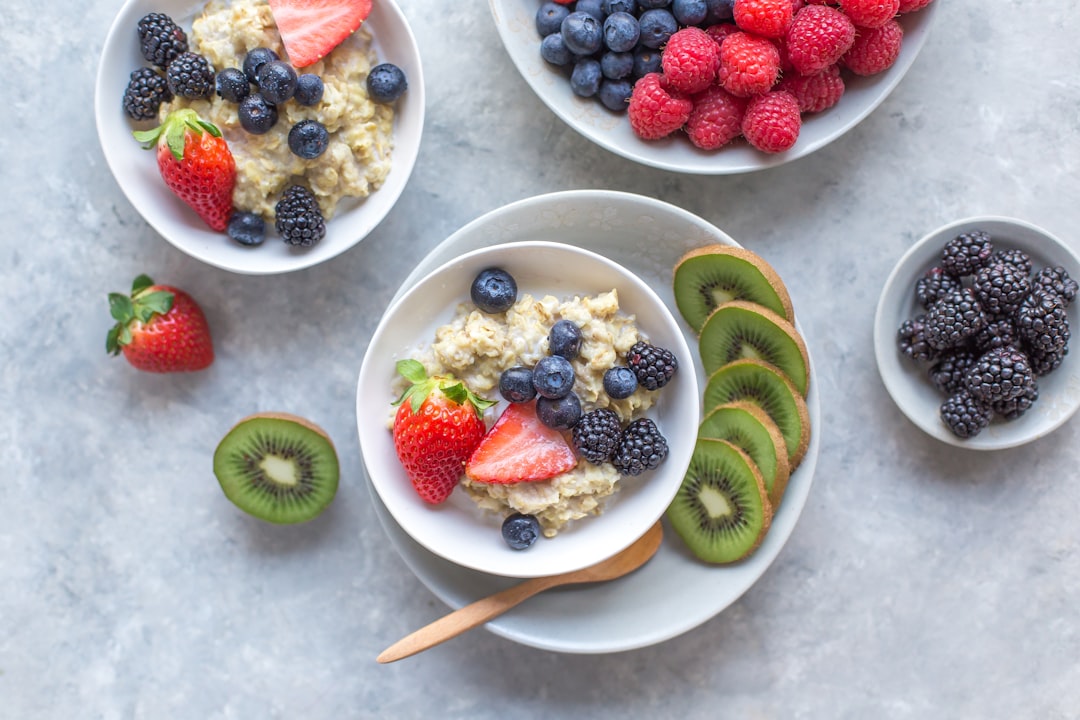
A healthy first meal can give you the energy and focus you need for the day. Actress Reese Witherspoon has started many of her mornings with a green smoothie for nearly a decade. When Business Insider reporter Anneta Konstantinides tried the smoothie, she said it helped her feel energized throughout the day.
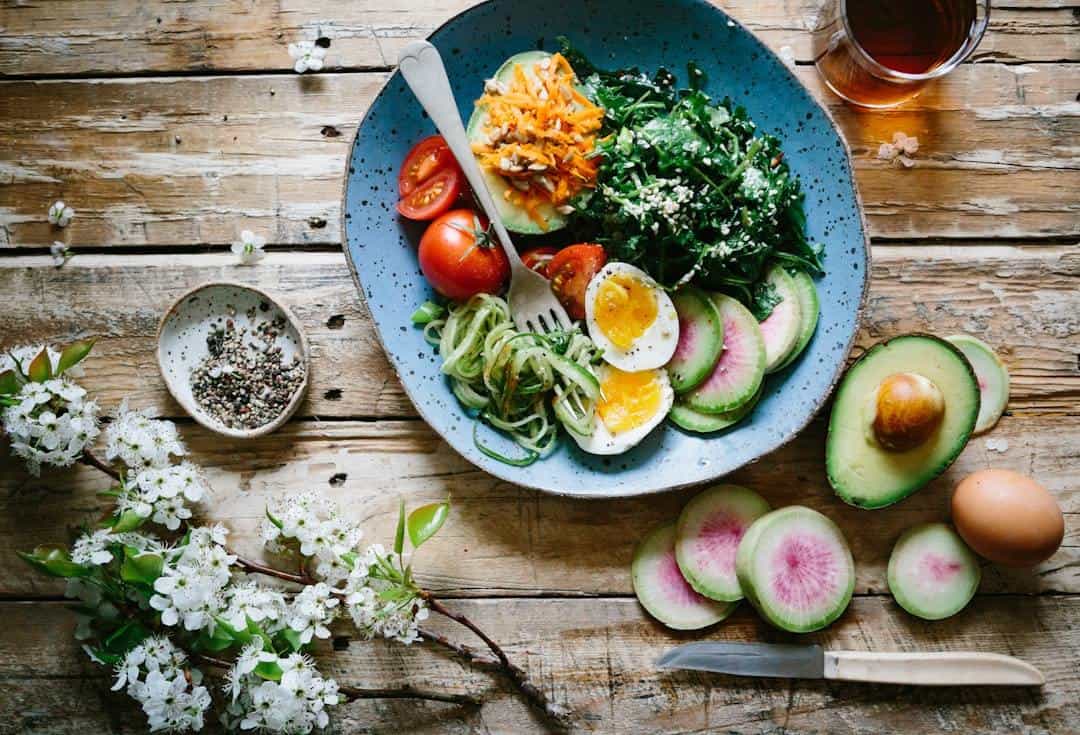
Breakfast does not have to take long or require a blender. Overnight oats with Greek yogurt, chia seeds, and berries, along with hard-boiled eggs or whole-wheat avocado toast, are simple choices for busy mornings.
You do not have to eat as soon as you wake up. Research has not shown that everyone must eat breakfast, and some people prefer to delay their first meal as part of an intermittent-fasting routine. If you wait until later, plan a filling meal ahead of time so hunger does not lead to mindless snacking.
The goal is to give your body nutritious fuel when it needs it. Choose foods that include protein, fiber, healthy fats, vitamins, and minerals.
5. Practice Mindfulness Like Successful Leaders
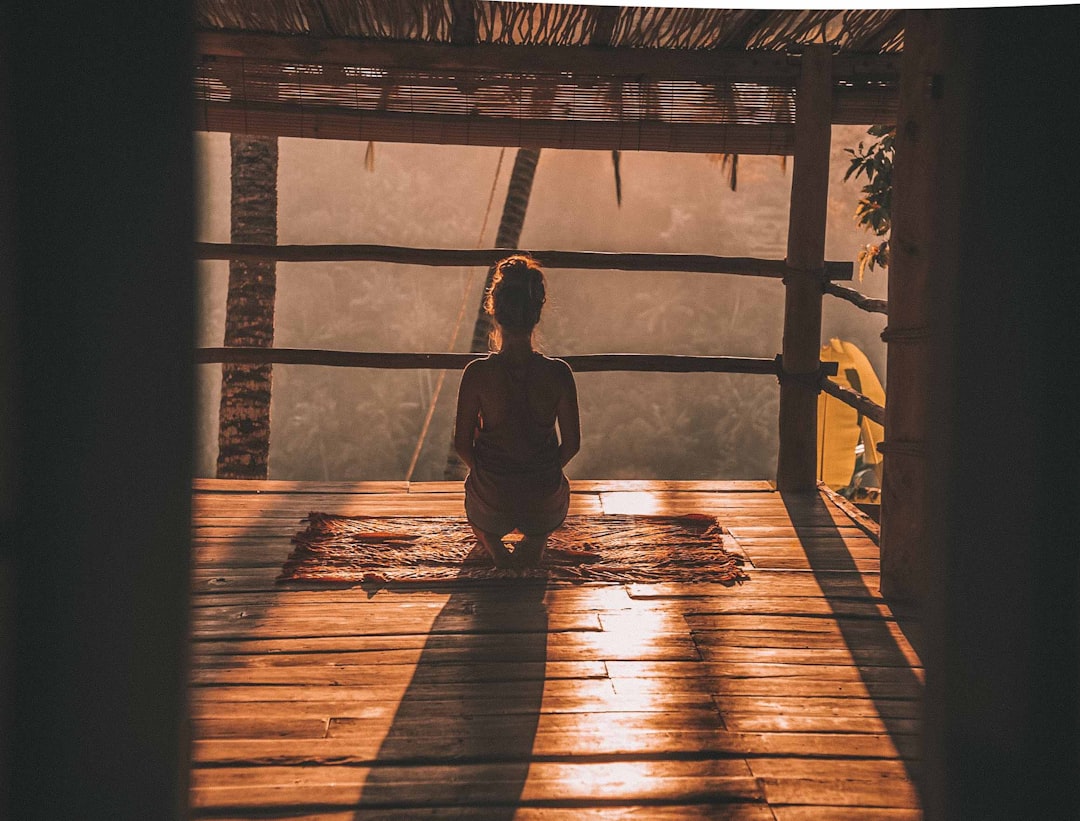
A few minutes of mindfulness can improve focus, self-awareness, and stress control. One study found that people with a morning routine earned an average of $12,500 more than those without one, although this shows an association rather than proof that morning routines lead to higher income.
Ray Dalio says meditation helps him stay calm, think more openly, and solve problems with a clearer mind. Arianna Huffington has described starting her day without checking her phone, taking time to breathe, feel grateful, set an intention, and meditate for 20 to 30 minutes.
Jack Dorsey has also reported beginning his day with 30 minutes of meditation, followed by three seven-minute workouts. You do not need to copy these long routines to benefit from mindfulness. A five- or 10-minute practice is a simple place to start.
Meditation can include quiet breathing, gratitude, or focusing on the present moment. If sitting still feels difficult, try walking meditation instead. In a 2023 randomized study of 372 adults, people who meditated for 10 or 20 minutes improved their present-moment awareness more than those who listened to a non-meditation recording.
The 10-minute session worked about as well as the 20-minute session for most participants. This suggests that a short, consistent practice may be enough to make mindfulness part of your morning.
6. Make A Simple Plan For The Day
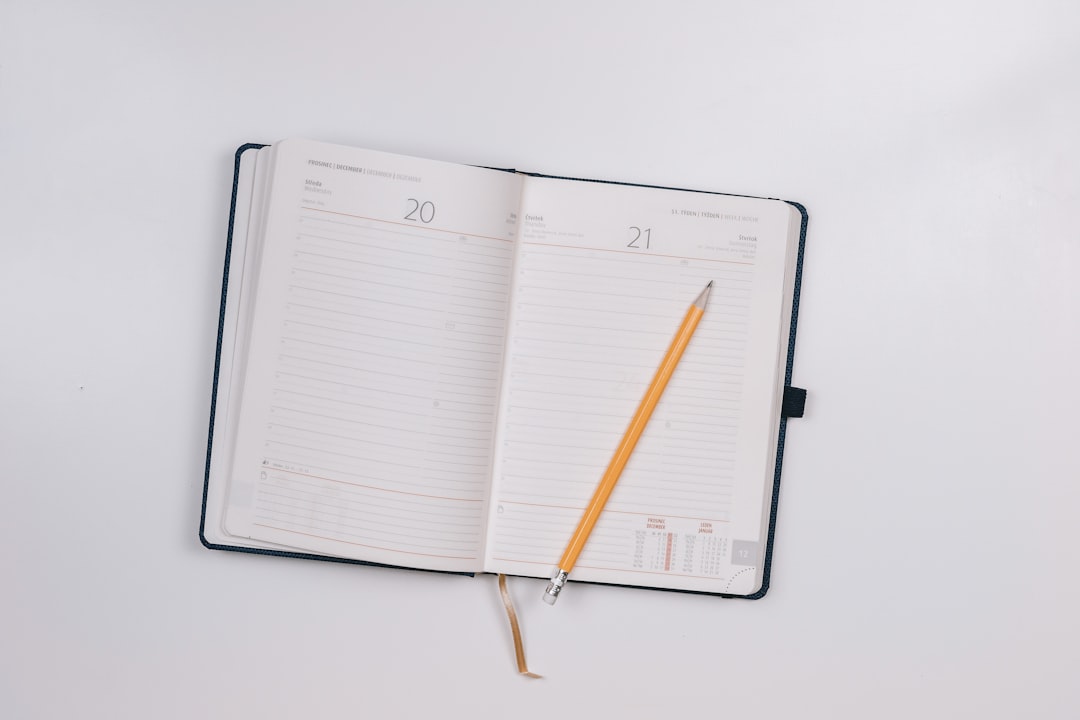
Start your day with a clear plan instead of sitting down and reacting to every task. Without a plan, you may face decision fatigue, feel stuck, or lose time scrolling on your phone. A simple list of three important tasks can help you stay focused.
Choreographer Twyla Tharp used a routine to begin her creative work without waiting for inspiration. In The Creative Habit, she described putting on workout clothes at 5:30 a.m. and taking a taxi to the gym. The taxi ride became a starting signal that helped her act without debating what to do next.
You can create your own starting signal, such as making coffee, opening your notebook, or sitting at your desk. A 2024 review of 20 studies involving 2,601 people found that repeating behaviors in a stable setting helped make those behaviors more automatic, although the studies focused on health habits rather than creative work.
Keep your plan easy to follow. Write down three must-do tasks, group similar tasks together, or plan your day the night before. You can use a paper list, Google Calendar, Asana, Trello, or another planning tool.
7. Feed Your Mind
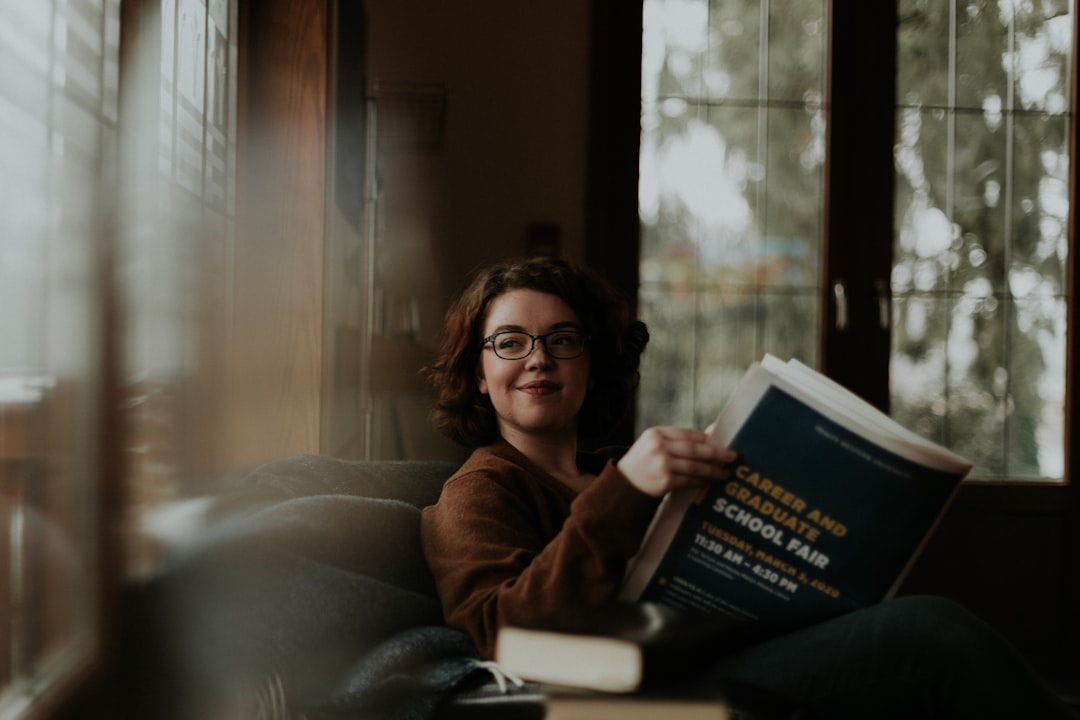
Your phone can take control of your morning before you begin your routine. In two 2025 YouGov surveys of more than 1,100 US adults each, 44% said they opened an app or browsed online within 10 minutes of waking. That number rose to 60% among adults under 30, while 46% said they spent too much time on their phones.
Protect your attention by waiting to check social media until you finish something important. You could read, journal, study, exercise, or work on a creative project first. This gives your priorities a head start.
A 2023 experiment involving 160 young adults found that 45 minutes of regular smartphone use, including about 32 minutes on social media, slowed reaction times by about 4% and increased self-control errors by about 39%. The study did not focus on morning use, and it did not prove the popular claim that it takes 25 minutes to refocus. Still, the results suggest that starting your day with focused activities may help you protect your attention before you start scrolling.
Conclusion
The best morning routine for success is one you enjoy and can follow consistently. It does not need to look like anyone else’s routine or include every step in this post. Start with one small, manageable habit. You might drink water, take a walk, write a short plan, or wait before checking your phone.
Give yourself time to test different habits and adjust your routine as your schedule and needs change. A morning routine that fits your lifestyle can help you begin each day with more energy, focus, and control.
Sources
- Personnel Psychology. (2021). Stumbling out of the gate: The energy-based implications of morning routine disruption. https://onlinelibrary.wiley.com/doi/10.1111/peps.12419
- Medical Xpress. (2020). Morning routine disruptions hurt worker productivity, researcher finds. https://medicalxpress.com/news/2020-11-morning-routine-disruptions-worker-productivity.html
- Virgin. (2017). My morning routine. https://www.virgin.com/branson-family/richard-branson-blog/my-morning-routine
- BMC Psychology. (2025). Chronotype and academic procrastination: The chain mediating role of future self-continuity and self-control. https://pmc.ncbi.nlm.nih.gov/articles/PMC12752378/
- Journal of Epidemiology & Community Health. (2025). Sleep regularity and major adverse cardiovascular events: A device-based prospective study in 72,269 UK adults. https://pmc.ncbi.nlm.nih.gov/articles/PMC12066246/
- Scientific Reports. (2023). Severe, short-term sleep restriction reduces gut microbiota community richness but does not alter intestinal permeability in healthy young men. https://www.nature.com/articles/s41598-023-27463-0
- Mayo Clinic. (2025). How many hours of sleep are enough? https://www.mayoclinic.org/healthy-lifestyle/adult-health/expert-answers/how-many-hours-of-sleep-are-enough/faq-20057898
- Better Health Channel. (2026). Water – a vital nutrient. https://www.betterhealth.vic.gov.au/health/healthyliving/water-a-vital-nutrient
- University of Birmingham. (2015). A bottle of water before each meal could help in weight reduction, researchers say. https://www.birmingham.ac.uk/news-archive/2015/a-bottle-of-water-before-each-meal-could-help-in-weight-reduction-researchers-say
- American Journal of Human Biology. (2024). Ad libitum dehydration is associated with poorer performance on a sustained attention task. https://pmc.ncbi.nlm.nih.gov/articles/PMC11144104/
- Frontiers. (2022). The effect of chronic exercise on energy and fatigue states: A systematic review and meta-analysis of randomized trials. https://www.frontiersin.org/articles/10.3389/fpsyg.2022.907637/full
- Fortune. (2025). Apple CEO Tim Cook follows a strict routine, including eating at the same cafeteria most days. https://fortune.com/2025/01/24/apple-ceo-tim-cook-strict-routine-eat-the-same-cafeteria-every-day-driving-factor-behind-his-success/
- Springer Nature. (2024). The effects of a short exercise bout on executive functions in healthy older adults. https://www.nature.com/articles/s41598-024-79685-5
- Business Insider. (2020). I tried the breakfast smoothie that Reese Witherspoon has made every day for the last 9 years and it kept me full for hours. https://www.businessinsider.com/how-to-make-reese-witherspoons-green-breakfast-smoothie-2020-7
- The Sleep Judge. (n.d.). Benefits of a morning routine. https://www.thesleepjudge.com/benefits-of-a-morning-routine/
- Principles by Ray Dalio. (n.d.). Meditate. https://www.principles.com/principles/e25fd729-9772-48e0-8768-973bf3207ded/
- Thrive Global. (2019). The joy of sleep: An interview with Arianna Huffington. https://community.thriveglobal.com/benefits-sleep-interview-arianna-huffington/
- The Hustle. (2024). Jack Dorsey wakes up every morning at 5:00 AM. https://thehustle.co/jack-dorsey-morning-routine
- Springer Nature. (2023). The effect of ten versus twenty minutes of mindfulness meditation on state mindfulness and affect. https://www.nature.com/articles/s41598-023-46578-y
- Simon & Schuster. (2003). The Creative Habit: Learn it and use it for life. https://www.simonandschuster.com/books/The-Creative-Habit/Twyla-Tharp/9781439106563
- Healthcare. (2024). Time to form a habit: A systematic review and meta-analysis of health behaviour habit formation and its determinants. https://www.mdpi.com/2227-9032/12/23/2488
- YouGov. (2025). For many Americans, their smartphone is the last thing they see at night and the first thing they see in the morning. https://yougov.com/en-us/articles/53735-for-many-americans-their-smartphone-is-the-last-thing-they-see-at-night-and-the-first-thing-they-see-in-the-morning
- Scientific Reports. (2023). Acute smartphone use impairs vigilance and inhibition capacities. https://www.nature.com/articles/s41598-023-50354-3