

Most days don’t fall apart all at once. They slip away in small pieces. You stay busy from morning to night, yet the important work still sits unfinished. That pattern drains energy and limits progress.
In my case, daily schedules fill up with messages, quick requests, and small tasks that demand immediate attention. By the time there’s room to focus, energy’s already gone. But that was before. Now, time management skills give me control over what gets my attention, instead of letting the day pull me in every direction.
You can also do that, too. In this post, I’ll explain why you need to learn time management skills to get you going. Let’s get started!
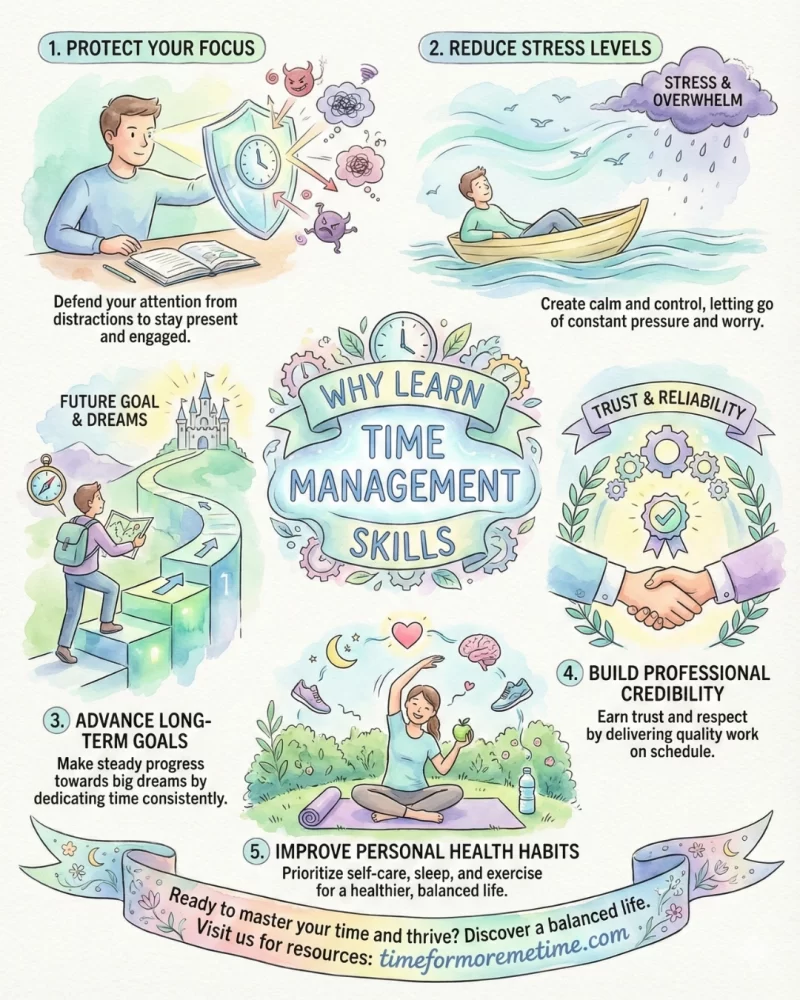
1. Protect Your Focus
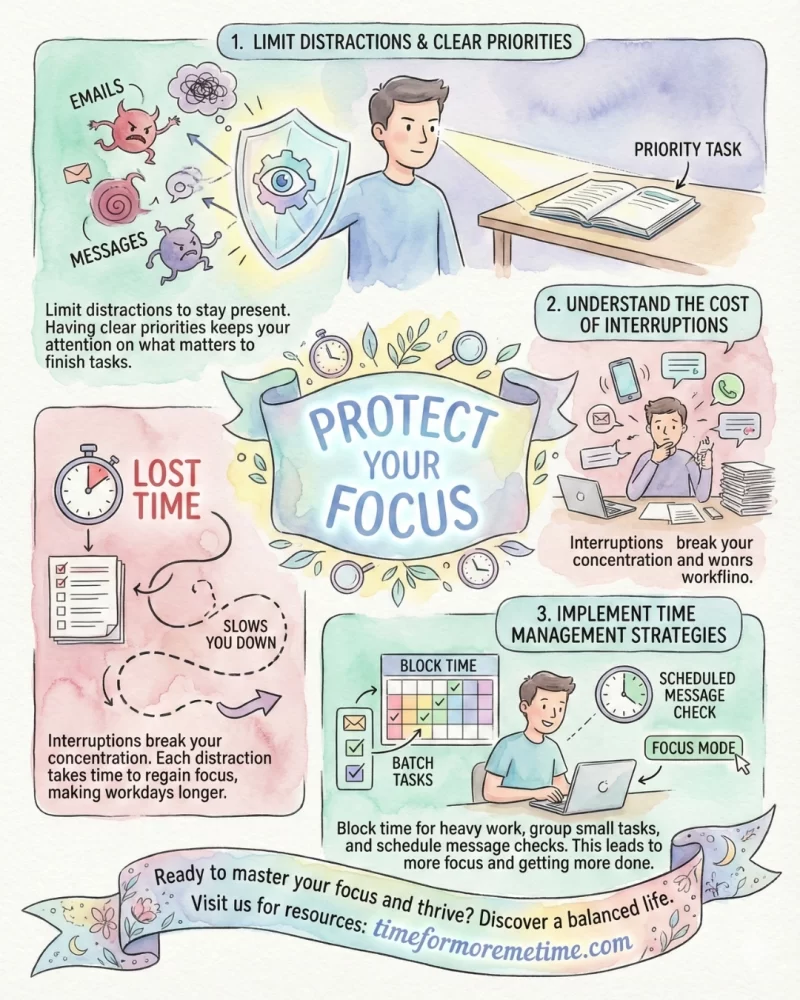
Learning to manage your time well helps protect your focus because it allows you to limit distractions and interruptions. Having focus and clear priorities lets you keep your attention on what matters and helps you finish tasks instead of putting them off until the next day.
Interruptions, like emails and messages, break your concentration. Each time you get distracted, it takes time to regain your focus, which slows you down and makes your workday longer.
With proper time management, I was able to change my routine and be more focused. I started with setting aside specific blocks of time for heavy work and grouping smaller tasks together. I also decided when to check my messages instead of responding constantly. These changes helped me get to focus more and do more stuff in the same amount of time.
2. Reduce Stress Levels
Better time management prevents pressure and stress levels from building throughout the day. You no longer have to rush decisions and scramble at the last minute when you have structured plans. Moreover, tasks move forward with fewer disruptions and clearer direction.
Many readers describe stress rising late in the afternoon because they didn’t finish or start high-priority work. As a result, their productivity is cut by as much as 40% as attention keeps returning to unfinished tasks. That mental load drains energy and makes the workday heavier than it needs to be.
I addressed this by planning my top priorities before the day began and scheduling demanding work early. I stopped scheduling back-to-back tasks and added short breaks so one delay didn’t throw off the entire day. With these changes, you can protect focus, keep work on track, and reduce daily stress.
3. Advance Long-Term Goals
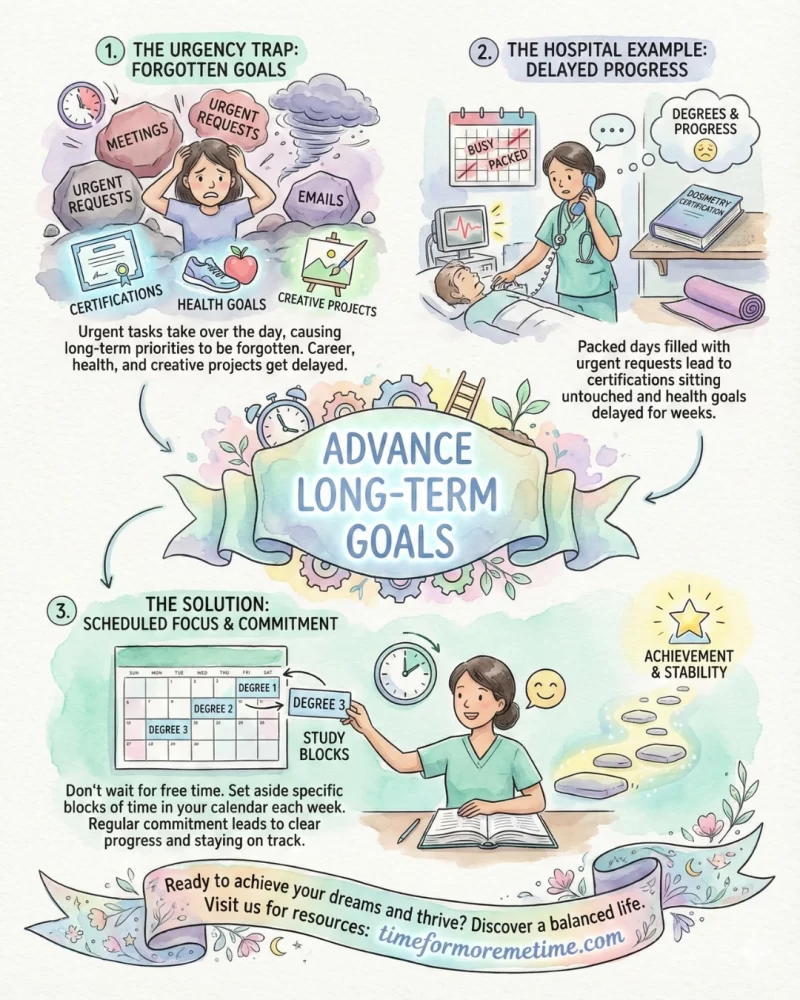
To make progress on your long-term goals, you must manage your time well. Without good time management, urgent tasks can take over your day, and long-term priorities get forgotten. Career growth, certifications, health goals, and creative projects all need scheduled focus.
Some friends in the hospital have packed days filled with meetings and urgent requests. As a result, their certifications sit untouched for weeks, health goals are delayed, and creative work never gets done.
Years ago, when I started as a dosimetrist and worked on three degrees, I faced the same issue. I couldn’t wait for free time, so I set aside specific study blocks in my calendar each week. This regular commitment helped me stay on track and showed clear progress in my coursework.
4. Build Professional Credibility
Learning time management strengthens your professional reputation. It shapes how others evaluate your reliability and consistency at work. Your habits become visible through your output.
Early in my hospital role, I realized that technical skill alone didn’t set me apart. I saw that how I handled my time shaped how others judged my work. So I began outlining my top tasks at the start of each shift and finishing reports before their deadlines.
Many professionals notice the same change after learning time management and applying it daily. They see that consistent follow-through influences how managers assign responsibility. As a result, they receive greater responsibility and stronger career opportunities.
5. Improve Personal Health Habits
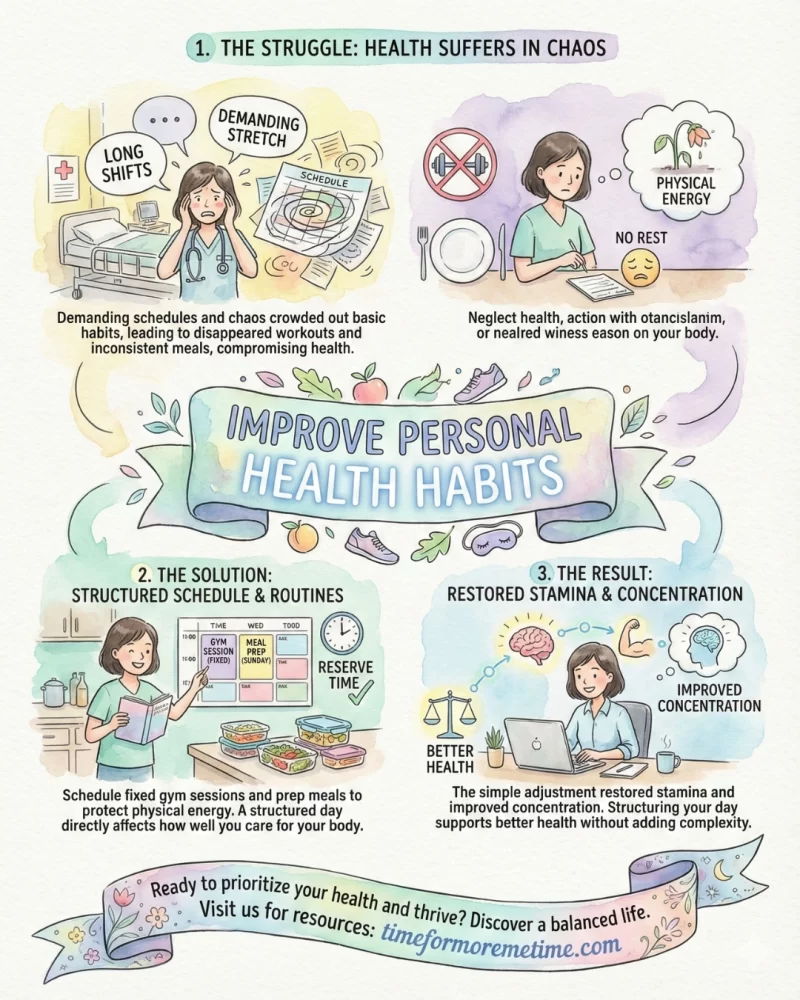
Having a structured schedule and managed time supports steady health routines. That means reserving time for movement, balanced meals, and rest to protect your physical energy. The way you organize your day directly affects how well you care for your body.
During a demanding stretch at the hospital, my workouts disappeared, and my meals became inconsistent. Long shifts crowded out basic habits. To avoid compromising my health habits during these times, I schedule gym sessions at fixed times and prepare meals every Sunday afternoon. That simple adjustment restored my stamina and improved my concentration during long cases.
You can do the same whatever your profession is. If you’re an office employee, why not block short walks between meetings? Doing so can help you maintain better energy through the afternoon. Even if you’re a remote worker, you can step away at set lunch hours to avoid constant snacking. Structuring your day supports better health without adding complexity.
Conclusion
Time management strengthens every area that depends on consistent effort. It improves how you perform at work, advance in your studies, or conserve your energy during demanding seasons.
If you’re ready to take control of your time, subscribe to the blog, follow us on social media, and visit our YouTube channel for practical strategies you can apply right away.
Source
- Photo: Pexels: Pavel Danilyuk