

Laziness is not a fixed part of your personality. You can build better habits, self-control, and discipline with steady effort. Even ambitious people struggle with procrastination and low motivation.
Procrastination often means having trouble turning an intention into action. Psychologist Tim Pychyl said that procrastination is a failure of self-regulation. A 2021 study of 330 people found that higher conscientiousness was strongly linked to less procrastination, partly because of stronger motivation and self-control. Meanwhile, a 2024 study of 457 university students in Honduras and Spain also found a link between procrastination, motivation, and self-control. Conscientiousness predicted lower procrastination in both groups. However, these results do not prove that personality alone causes people to delay tasks.
Mental and emotional challenges can also make action feel difficult. Negative self-talk and overthinking may cause you to avoid tasks because you fear failure or feel that you will not measure up. High standards can help you work hard, but the need to be perfect can make difficult tasks harder to start.
A 2024 study of 548 Italian adults ages 18 to 35 found that procrastination was linked to pressure from other people’s expectations of perfection. It was not linked to every form of ambition. An analysis of 41,641 college students in the United States, Canada, and Britain found that perceived pressure to be perfect rose by 33% from 1989 to 2016, while self-imposed perfectionism rose by 10%.
A lack of purpose can also lower your motivation. When you do not understand why a task matters or feel connected to it, starting becomes harder. Physical and mental tiredness can make even simple tasks feel overwhelming.
Stress can affect both your well-being and your performance. Deloitte’s 2025 survey of 23,482 Gen Z and millennial respondents in 44 countries found that 40% of Gen Z and 34% of millennials felt stressed or anxious most of the time. The survey also found that 74% of Gen Z and 68% of millennials had needed time away from work because of stress, while a separate US poll found that mental health problems reduced productivity for 33% of full-time employees.
These findings show that what looks like laziness can have many causes. You may be dealing with procrastination, fear of failure, perfectionism, stress, or a lack of purpose. Because the causes vary, overcoming laziness requires more than one solution. So, this guide will cover practical ways to solve this. Let’s get started!
1. Identify Your Triggers

The first step to becoming more productive is finding out what causes your lack of motivation. Certain tasks, places, times of day, or emotions may make you want to delay your work. Tiredness, stress, brain function, or an underlying health condition may also affect your energy and focus.
When you procrastinate, pause and ask yourself what you are thinking and feeling. Are you bored, worried about failing, confused about the task, or simply tired? Understanding these patterns can help you choose the right solution.
Once you know your triggers, create a plan to handle them. You might use a to-do list, work during your most focused hours, remove distractions, or ask an accountability partner to check your progress. Small changes can make it easier to take action and stay focused.
2. Break Down Big Projects
Large projects can make you feel overwhelmed before you even begin. The best way to get started is to divide the project into small, clear steps. Each completed step gives you progress to build on.
Start by making a simple action plan. Write down the main goal, list the tasks you need to complete, and set a deadline for each one. This plan gives you a clear path and makes the work feel more manageable.
Clear goals can make it easier to take action. In a 2022 experiment with 146 university students, those who used the SMART planning method completed 73% of their chosen goal within one week, compared with 64% of students who received no SMART instructions.
For example, your goal may be to improve the design of your website. Begin with small tasks, such as choosing a color scheme, planning new content, updating the homepage, and checking the site on a phone. If you want to start exercising, begin by comparing local gyms or creating a simple workout plan for the week.
A vision board can also help you stay focused when you feel stuck. Keep breaking the project into tasks that you can finish one at a time. Small wins can build your confidence, increase your motivation, and help you complete the larger goal.
3. Get Moving

You do not need the perfect time, plan, or mood to begin. Waiting for perfect conditions often leads to more delays, especially when you feel anxious about making mistakes. If you want to stop being lazy, focus on starting now, even if your first effort is imperfect.
Begin with one small action instead of trying to finish everything at once. Open the document, write the first sentence, put away one item, or work for five minutes. Starting can make the task feel less difficult and help you continue.
Progress matters more than perfection. Some days will bring less energy and motivation than others, and that is normal. Keep taking small steps instead of expecting excellent results every time.
Research from Tim Pychyl’s team suggests that beginning a task can change how you view it. Once you start, the task may feel easier, which can improve your ability to keep going.
4. Use Time-Management Techniques
Breaking a large project into small tasks can still leave you with a long to-do list. Time-management techniques can help you decide when to work on each task instead of waiting for free time to appear. A clear schedule also makes it easier to overcome procrastination.
Put important tasks on your calendar. For example, replace “finish the report” with “work on the report Tuesday from 9:00 to 10:00 a.m.” Treat that time like an important meeting and avoid scheduling other activities during it.
A 2021 review of 21 studies with 15,907 participants found that people were more likely to reach their goals when they paired a desired result with a clear plan for dealing with the next opportunity or obstacle. This type of plan helps you act without making the same decision every day.
You can also use time blocking. Set aside specific periods for work, errands, exercise, and rest instead of choosing tasks at random. Schedule your hardest or most important work during the hours when you have the most energy and focus.
5. Establish Routines and Habits
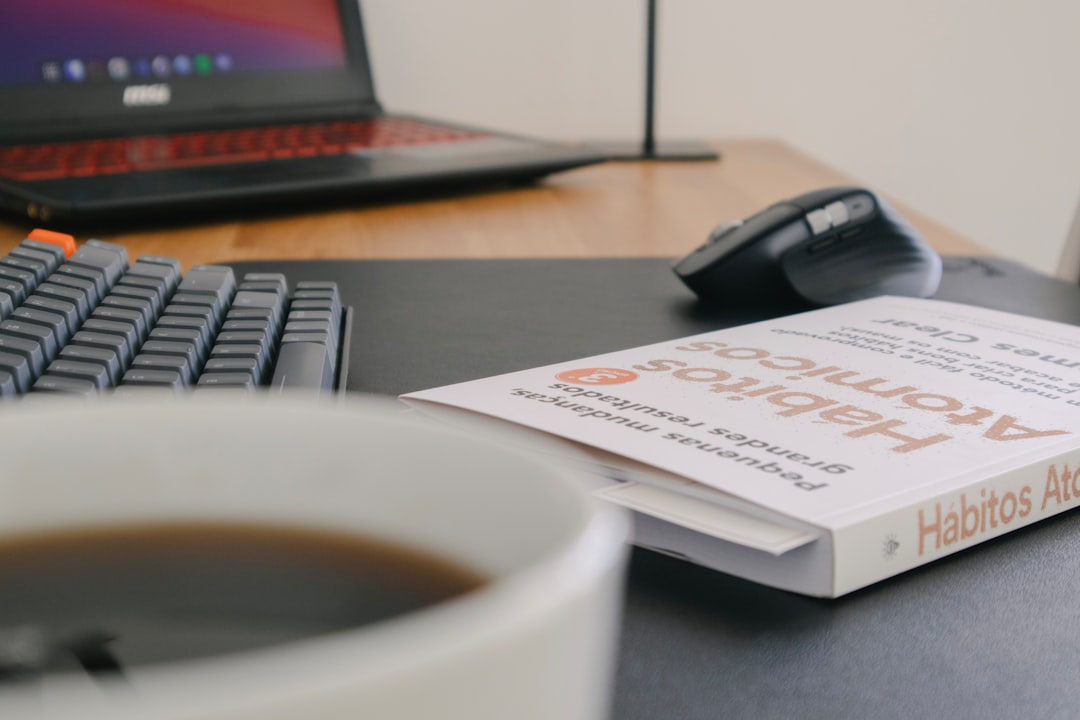
Routines make daily tasks easier because they reduce the number of decisions you need to make. Actions such as brushing your teeth, showering, and having coffee can become automatic when you do them in the same order each day. Simple routines can help you save energy for more important tasks.
Prepare for your morning the night before. Get enough sleep, choose your outfit, and prepare a healthy breakfast in advance. These small steps can help you begin the day with less stress and fewer choices to make.
Your workspace also affects your focus. Keep it clean, organized, and free from distractions so it encourages you to work. When you feel tired, simple actions such as washing your face or drinking water may help you feel more alert.
Choose one useful habit and practice it every day. For example, reading for 30 minutes can expand your knowledge, improve your focus, and expose you to new ideas. Your routine does not need to be strict or perfect; it needs to be simple enough to follow regularly.
6. Motivate Yourself
Some tasks are boring by nature. Chores, paperwork, and repetitive work may not excite you, but you can make them easier by adding something enjoyable.
Try turning your tasks into a game. Set a small reward for finishing a task or staying focused for a certain amount of time. You could enjoy a snack, watch an episode of a show, or take a short break after reaching your goal.
Music can also make boring work feel more enjoyable. Playing upbeat songs may lift your mood and help you keep moving while you clean, organize, or complete routine tasks. Choose rewards and activities that support your goals instead of distracting you from them.
7. Fuel Your Body

Your body needs steady fuel to support focus and energy. Relying on sugary snacks or too much caffeine may give you a quick boost, but your energy can drop later. Eating balanced meals and drinking enough water can help you feel more stable throughout the day.
Choose foods that provide lasting energy, such as:
- Lean proteins, including eggs, fish, beans, chicken, and yogurt.
Healthy fats, including nuts, seeds, avocados, and olive oil.
Complex carbohydrates, including oats, brown rice, potatoes, fruits, and vegetables.
Your food choices may affect how energetic you feel, especially if excess weight is also a concern. In a 2024 study of 193 Iranian women with overweight or obesity, those who ate the most ultra-processed foods scored 8.76 points lower on a 100-point energy and fatigue scale. The study showed a connection, not proof of cause, but choosing more minimally processed foods may support steadier energy for daily activities.
By the way, don’t forget to rehydrate!
8. Celebrate Small Wins
Recognizing your progress can help you build motivation and stop delaying important tasks. Every completed step matters, whether you check an item off your to-do list, avoid mindless scrolling, or begin a project you have been putting off. Small wins show you that your effort is working.
Keep track of your progress in a journal, calendar, or spreadsheet. Record the tasks you complete and the milestones you reach. Looking back at your progress can encourage you to keep going when motivation is low.
Reward yourself after reaching a goal. Watch a movie, buy a book you want, or enjoy a relaxing evening without feeling guilty. Choose rewards that feel special but do not undo the progress you have made.
9. Find A Support System

Support from another person can help you keep working when your motivation drops. A 2023 review of 31 meta-analyses and 505 studies found that human guidance led to better results in 22 of 45 comparisons, while only 4 comparisons favored programs without support. The research focused on digital mental health programs, not everyday productivity, but it suggests that encouragement and regular check-ins may improve follow-through.
Share your goals with a friend, mentor, coworker, or accountability partner. Ask them to check your progress or help you solve problems when you feel stuck. Their support, skills, and perspective may help you find solutions that you would not have considered alone.
10. Get Enough Rest
Sleep is a key part of productivity, not time taken away from work. Adults ages 18 to 60 generally need at least seven hours of sleep each night. Without enough rest, you may have less focus, memory, energy, and emotional control.
A 2025 study followed more than 79,000 Japanese employees over more than 2.1 million nights. Work-related losses were lowest among workers who averaged about seven to eight hours of sleep. Workers with shorter, less regular, or more interrupted sleep also reported more daytime sleepiness and weaker performance.
Take regular breaks during the day, especially when working for long periods. A 2022 review of 2,335 people found that short breaks increased energy and reduced fatigue. Another analysis of 381 adults linked brief naps with better alertness and mental performance for up to two hours.
Use your breaks to recharge instead of adding more screen time. A 2023 experiment found that 45 minutes of smartphone use slowed reaction time and increased errors in controlling attention. Step away from your screen, stretch, take a short walk, or rest quietly so you can return to work with better focus.
Conclusion
Learning how to stop being lazy is a process, not a one-time achievement. Start by finding the causes of your procrastination, setting clear goals, and using strategies that fit your daily life.
Focus on progress instead of perfection. Take small steps, celebrate each success, and ask for support when you need it. With steady effort, you can overcome unhelpful habits and become more productive.
Sources
- Association for Psychological Science. (2013). Why wait? The science behind procrastination. https://www.psychologicalscience.org/observer/why-wait-the-science-behind-procrastination
- Human Brain Mapping. (2021). The effect of conscientiousness on procrastination: The interaction between the self-control and motivation neural pathways. https://pmc.ncbi.nlm.nih.gov/articles/PMC7978125/
- Heliyon. (2024). The role of Big Five traits and self-esteem on academic procrastination in Honduran and Spanish university students: A cross-cultural study. https://www.sciencedirect.com/science/article/pii/S2405844024122037
- MDPI. (2024). Procrastination, perfectionism, narcissistic vulnerability, and psychological well-being in young adults: An Italian study. https://www.mdpi.com/1660-4601/21/8/1056
- LSE Research Online. (2019). Perfectionism is increasing over time: A meta-analysis of birth cohort differences from 1989 to 2016. https://eprints.lse.ac.uk/101352/
- Deloitte. (2025). World Mental Health Day 2025: Gen Zs and millennials on mental well-being at work. https://www.deloitte.com/global/en/issues/work/world-mental-health-day.html
- NAMI. (2024). The 2024 NAMI Workplace Mental Health Poll. https://www.nami.org/research/publications-reports/survey-reports/the-2024-nami-workplace-mental-health-poll/
- Tech Science Press. (2022). Applying SMART goal intervention leads to greater goal attainment, need satisfaction and positive affect. https://www.techscience.com/IJMHP/v24n6/49942/html
- Frontiers. (2021). A meta-analysis of the effects of mental contrasting with implementation intentions on goal attainment. https://www.frontiersin.org/articles/10.3389/fpsyg.2021.565202/full
- Frontiers. (2024). Ultra-processed food consumption and quality of life: A cross-sectional study in Iranian women. https://www.frontiersin.org/journals/public-health/articles/10.3389/fpubh.2024.1351510/full
- Journal of Medical Internet Research. (2023). Providing human support for the use of digital mental health interventions: Systematic meta-review. https://www.jmir.org/2023/1/e42864
- Springer Nature. (2025). Association of sleep patterns assessed by a smartphone application with work productivity loss among Japanese employees. https://www.nature.com/articles/s41746-025-02155-3
- PLOS ONE. (2022). “Give me a break!” A systematic review and meta-analysis on the efficacy of micro-breaks for increasing well-being and performance. https://journals.plos.org/plosone/article?id=10.1371/journal.pone.0272460
- MDPI. (2021). Effects of a short daytime nap on cognitive performance: A systematic review and meta-analysis. https://www.mdpi.com/1660-4601/18/19/10212
- Scientific Reports. (2023). Acute smartphone use impairs vigilance and inhibition capacities. https://www.nature.com/articles/s41598-023-50354-3