

We’ve all experienced days when time seems to fly while our tasks pile up and deadlines loom. The pressure can feel overwhelming, leading to burnout before lunch. As a medical dosimetrist, I understand the need for speed and accuracy. I’ve learned that you can work quickly without sacrificing your well-being.
I’ve had 10-hour days where I barely made a dent in my to-do list. During one busy week at UCSF Medical, I managed treatment plans for multiple patients while handling extra tasks from a colleague. The pressure was intense, but it prompted me to create a system that transformed my work approach.
Years later, I’ve refined this system into simple, effective strategies that help me work faster without losing accuracy or energy. In this post, I’ll share these strategies and practical tips to boost your efficiency, allowing you to achieve more in less time. Let’s get started.
1. Eliminate The Feeling Of Being Overwhelmed
Feeling overwhelmed comes from how you view and manage your workload, not just how much is on your plate. When tasks stack up, it’s easy to lose focus. I remember facing six urgent cases at once and not knowing where to start until I learned to pause and prioritize what really mattered.
Work stress can drain your focus and make ordinary tasks feel harder to begin. That effect is widespread: the American Psychological Association found that 77% of US workers experienced work-related stress. For example, that amounts to roughly 8 people in a 10-person team. Mayo Clinic Health System also explains that excessive information can cause cognitive overload, making it difficult to process details and take action. If you feel paralyzed by your tasks, it doesn’t mean you’re lazy; it just means your brain is overloaded.
What if you shifted your perspective on stress? Instead of seeing it as a threat, think of it as a signal. This mindset shift can help you take control, slow your thoughts, and prioritize calmly. A simple mental shift can help you regain clarity, breathe easier, and turn chaos into calm efficiency.
2. Plan Your Work And Time

Working faster begins with smarter planning. By organizing your day around priorities instead of just tasks, you reduce decision fatigue and stay focused. When I shifted from radiology to dosimetry, I often worked late because I didn’t plan well. Everything felt urgent until I learned to distinguish what was truly important.
Planning your day can bring structure to a crowded schedule and reduce the time lost to delaying important tasks. That connection appeared in an eight-week course involving 109 university students, where time-management scores improved by about 8% while procrastination fell by nearly 12%. For example, reserving 9 AM for focused work and 10 AM for email gives each hour a clear purpose without leaving you to decide what comes next.
Or try the Eisenhower Matrix: tackle urgent and important tasks first, schedule important but non-urgent ones, delegate less critical tasks, and eliminate what’s unnecessary. This habit can double your output and halve your stress. By managing your time proactively, you can stop running in circles and start making progress.
3. Minimize The Slew Of Distractions
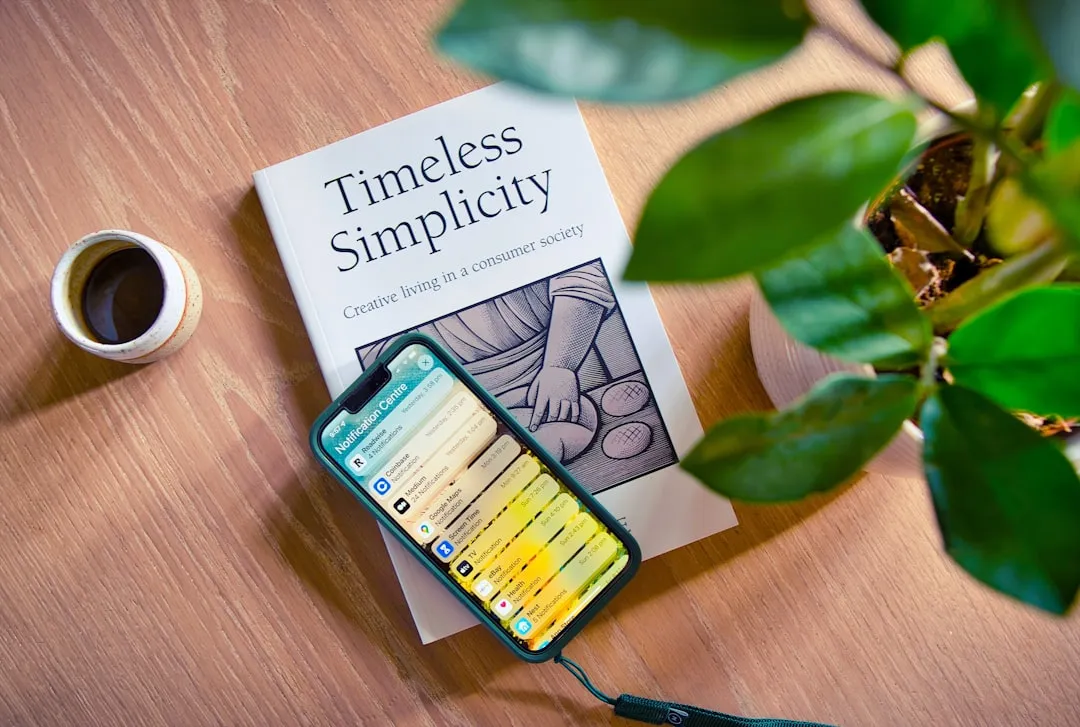
Distractions can silently kill your productivity. Each time you check your phone or respond to a notification, it takes extra time to refocus on your original task. I once took four hours to complete a complex radiation plan because interruptions kept breaking my concentration.
Interruptions can quietly fracture your workday because returning to the original task is rarely immediate. Earlier workplace research found that people took about 23 minutes to resume interrupted work, equal to roughly 38% of an hour. That disruption can build quickly, as an analysis of more than 50,000 knowledge workers found a median gap of six minutes between communication checks, or about 10 check-ins per hour, while 40% never received 30 uninterrupted minutes.
To regain control in a distraction-filled world, start by identifying your top three digital time-wasters. Use blocking tools or turn off non-essential notifications for focused work sessions of 60 to 90 minutes. Apps like Freedom or StayFocusd can help you stay on track.
4. Listen To Your Work Music
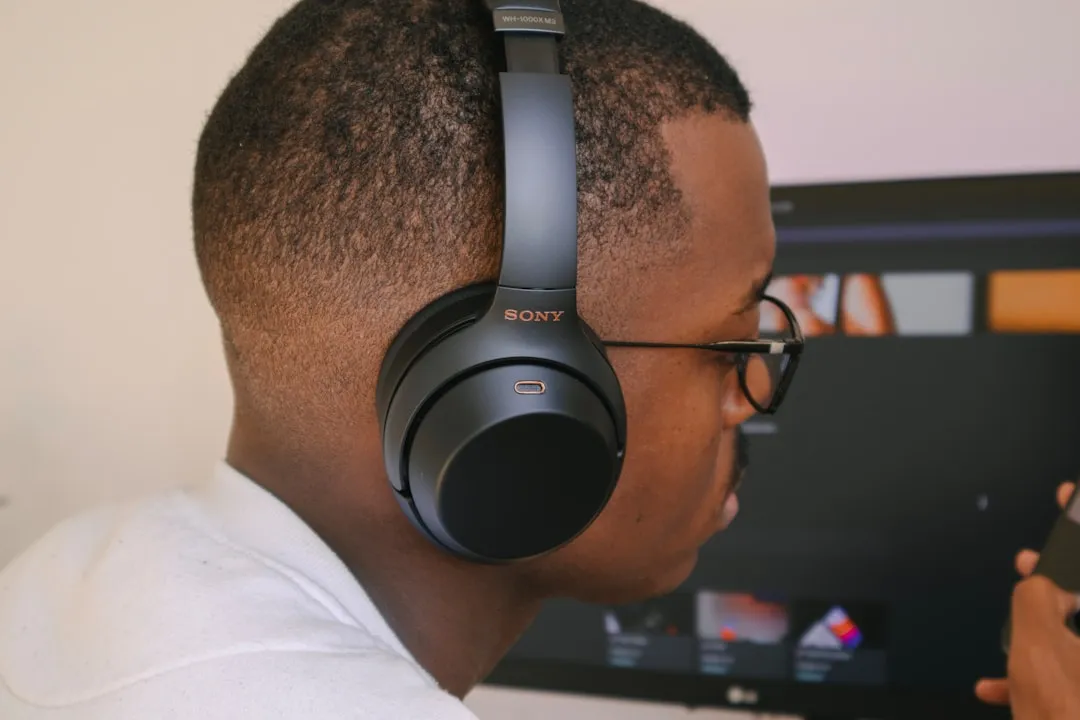
The right music can boost your focus, energy, and work speed. Different music styles stimulate the brain in various ways, helping you concentrate during deep work or stay energized during repetitive tasks. For example, when I create treatment plans late in the day, calm piano tracks help me stay steady and minimize distractions.
Music can make demanding work feel less draining while helping you maintain focus and speed. A 2025 experiment involving 196 US adults helps explain why: 76% of those listening to specially designed workflow music reported a better mood, compared with about 36% exposed to office noise, making improvement more than twice as common. The music group also responded faster as the task continued without losing accuracy.
Have you noticed how some songs can help you work faster or think more clearly? For complex tasks, try instrumental or classical music to stay focused. For routine work like data entry, upbeat rock or lo-fi beats can boost your energy.
Keep in mind that this isn’t one-size-fits-all; your music preferences may vary, and different types of music can affect you differently. Still, create a focus playlist that matches your work style—it’s an easy way to get into the flow and remain productive.
5. Rethink The Concept Of Multitasking
Multitasking might seem productive, but it actually splits your attention and slows you down. Early in my career, I thought I was maximizing my time by answering emails while dealing with shipping orders. However, I soon realized my error rate was increasing, and my stress was rising.
Multitasking can make a day feel busy while leaving less focused work completed. That pattern occurs in a 2023 study of 924 adults, where heavier media multitasking was associated with weaker sustained attention and accounted for about 4% of the differences in attention performance.
A 2025 study of 354 Chinese IT employees also found that job stress accounted for about 36% of the connection between multitasking and lower workplace well-being. If you’ve had busy days without feeling accomplished, multitasking may be the culprit.
So, focus on doing less and doing things better. Try single-tasking: set aside uninterrupted blocks of time for one activity, silence distractions, and complete the task before moving on. This simple approach can boost quality and speed. Once you see how much smoother your day becomes without juggling tasks, you’ll prefer focus over multitasking for productivity.
6. Free Yourself Of Tasks
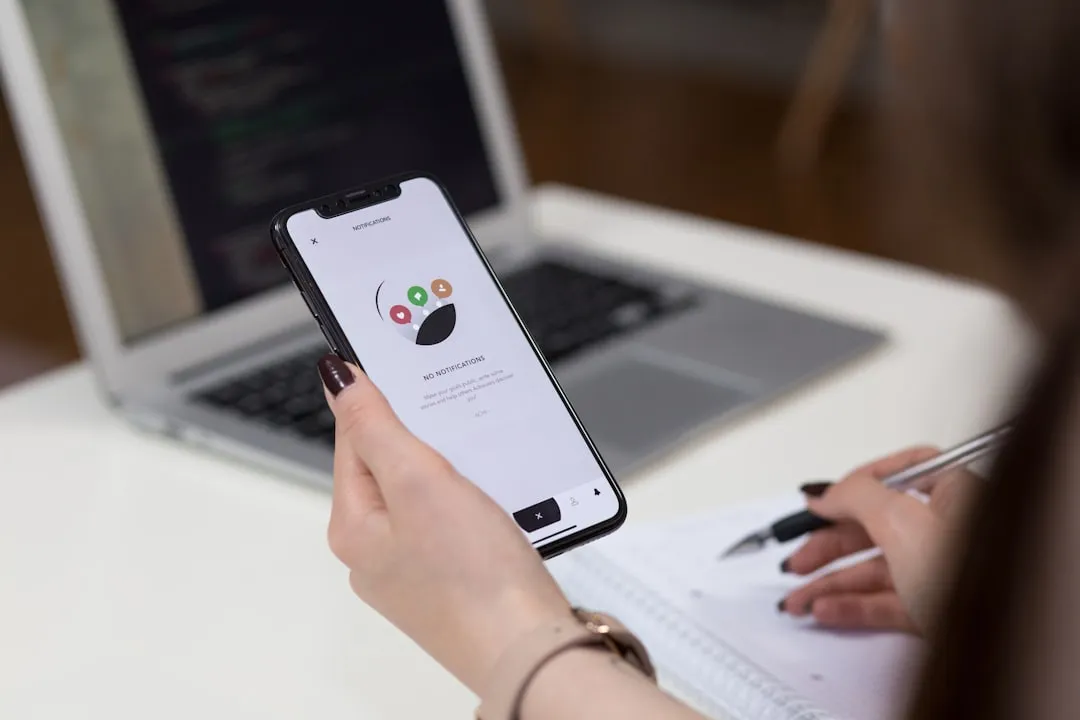
You can’t work faster if you’re overwhelmed by tasks that don’t require your attention. Delegating and automating can free up your mental energy to focus on high-value work. When I first managed some side gigs, like a short-lived dropshipping business, I did everything manually until I discovered software could automate many tasks, saving me hours each week.
Repetitive administrative work can consume hours that could be spent on higher-value tasks. The scale of that opportunity materializes in a 2025 McKinsey analysis, which estimated that current technologies could theoretically automate activities covering about 57% of US work hours. If you’re stuck doing the same admin chores daily, it’s time to upgrade your systems.
Imagine how your day would change if you focused only on work that truly needs your expertise. Start by identifying tasks you can automate, such as scheduling or data entry, using tools like Zapier or email filters. Then, delegate lower-priority tasks to team members or freelancers. Remember, working faster means focusing on what matters most while smart systems and capable people handle the rest.
7. Prioritize Presence Over Presentation

Meetings shouldn’t dominate your workday, especially if you’re not in a managerial role. Many teams focus too much on creating perfect slides and lengthy discussions instead of engaging in quick, results-oriented collaboration. I once sat through a two-hour presentation that could have been summed up in an email; it taught me that being busy doesn’t mean being productive.
The average employee spends about 57% of their workweek in meetings and emails, with many feeling half of that time is unproductive. This leads to lost energy and focus that could be better used for meaningful work. Most professionals leave meetings feeling frustrated about what was accomplished.
To make meetings more effective, keep them short, focused on decisions, and necessary. When meetings are required, create a clear agenda and assign tasks, not just discussions. By prioritizing presence over presentation, you can cut through the noise, make faster decisions, and free up hours for important work.
8. Do The Focused Flow Method
Here’s a bonus for you: the focused flow method. I’ve developed this to work faster without burning out. It combines mindful breaks, time-blocking, and selective task filtering to help me stay engaged for longer periods without draining energy. I realized my most productive hours came from working in quiet, 90-minute bursts followed by complete disconnection.
After using this method for over two years, I found I made fewer errors (not in my medical job, where accuracy is crucial) and experienced less end-of-day fatigue. The key is to balance intensity with recovery, allowing your brain to focus naturally rather than forcing it. If your focus fades halfway through the day, this method can help recharge you without losing momentum.
To try my method, work in 90-minute deep-focus sessions followed by a 15-minute break (no screens!). Before restarting, review your next block of work. Stick to this approach for a week and notice how much smoother your days become. Unlike typical productivity hacks, this method honors your energy and ambition, helping you perform at your best.
Conclusion
Working faster is largely about making space for what truly matters. By applying these strategies—managing overwhelm, mastering focus, and refining your workflow—you’ll find that productivity and peace of mind can go hand in hand.
If you enjoy content like this, follow me on social media, subscribe to my blog, and check out my YouTube channel. Thanks!
Sources
- Photos: Unsplash: Flipsnack
- American Psychological Association. (2023). Workplaces as engines of psychological health and well-being. https://www.apa.org/pubs/reports/work-in-america/2023-workplace-health-well-being
- Mayo Clinic Health System. (2022). Cognitive overload: When processing information becomes a problem. https://www.mayoclinichealthsystem.org/hometown-health/speaking-of-health/cognitive-overload
- Frontiers. (2024). Explaining the changes in procrastination in an ACT-based course: Psychological flexibility and time and effort management as mediators. https://www.frontiersin.org/journals/psychology/articles/10.3389/fpsyg.2024.1331205/full
- University of California, Irvine. (2015). Focused, aroused, but so distractible: A temporal perspective on multitasking and communications. https://www.ics.uci.edu/~gmark/Home_page/Publications_files/CSCW%202015%20Focused.pdf
- RescueTime. (2018). Communication overload: Our research shows most workers can’t go 6 minutes without checking email or IM. https://blog.rescuetime.com/communication-multitasking-switches/
- PLOS ONE. (2025). Effects of music advertised to support focus on mood and processing speed. https://journals.plos.org/plosone/article?id=10.1371/journal.pone.0316047
- PubMed Central. (2023). Unravelling the link between media multitasking and attention across three samples. https://pmc.ncbi.nlm.nih.gov/articles/PMC7614709/
- Frontiers. (2025). Multitasking and workplace wellbeing: The roles of job stress and job autonomy. https://www.frontiersin.org/journals/psychology/articles/10.3389/fpsyg.2025.1611876/full
- McKinsey Global Institute. (2025). Agents, robots, and us: Skill partnerships in the age of AI. https://www.mckinsey.com/mgi/our-research/agents-robots-and-us-skill-partnerships-in-the-age-of-ai
- Microsoft WorkLab. (2023). Will AI fix work? https://www.microsoft.com/en-us/worklab/work-trend-index/will-ai-fix-work